Foundations of Democratic Governance
From the civics curriculum
TL;DR
Democratic governance means a system where citizens hold power, often through elected representatives. It's built on core principles like liberty, equality, and the rule of law. Understanding these foundations helps you see how democracies function and what makes them resilient.
1. The Mental Model
Think of democratic governance as a house. Its foundation is made of core principles, the walls are institutions and processes, and the roof is the protection of individual rights. If any part is weak, the whole structure struggles.
2. The Core Material
Democratic governance isn't just about voting; it's a whole system designed to give power to the people and protect their freedoms. It's built on several key ideas.
Popular Sovereignty

Photo by Dhanil Prayudy Wibowo on Pexels
This means the ultimate power rests with the people. You, as a citizen, are the source of all governmental authority. In practice, you usually exercise this power by electing representatives to make decisions on your behalf.
Liberty and Rights
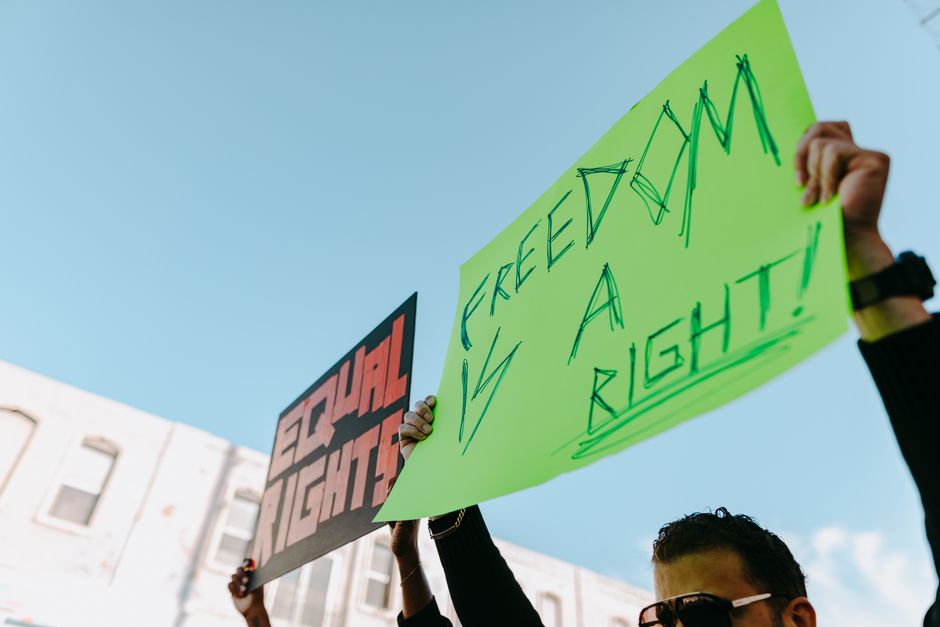
Photo by RDNE Stock project on Pexels
A cornerstone of democracy is individual freedom. This includes things like freedom of speech, assembly, religion, and the right to due process. Governments are meant to protect these rights, not infringe upon them.
Equality
In a democracy, everyone is considered equal under the law, regardless of their background, wealth, or beliefs. This means equal opportunities and equal treatment.
Rule of Law

Photo by Tara Winstead on Pexels
No one is above the law—not even the government itself. Laws are applied fairly and consistently to everyone. This prevents arbitrary power and ensures predictability in society.
Separation of Powers

Photo by https://kaboompics.com/ on Pexels
To prevent any single part of the government from becoming too powerful, most democracies divide government into different branches (like legislative, executive, and judicial). Each branch has specific jobs and can check the power of the others.
graph LR
    A["Citizens"] --> B["Elect Representatives"];
    B --> C["Legislative Branch (makes laws)"];
    B --> D["Executive Branch (carries out laws)"];
    B --> E["Judicial Branch (interprets laws)"];
    C -- "Approves Judges" --> E;
    D -- "Vetoes Legislation" --> C;
    E -- "Declares laws unconstitutional" --> C;
    E -- "Declares executive actions unconstitutional" --> D;
    C -- "Approves Appointments" --> D;
Free and Fair Elections
For popular sovereignty to work, elections must be regular, competitive, and transparent. You need to have genuine choices, and your vote needs to be counted accurately.
Citizen Participation
Democracy isn't a spectator sport. It thrives when you actively participate—by voting, engaging in public discourse, joining civic groups, or even just staying informed.
3. Worked Example
Imagine a small town facing a decision about building a new community park. In a democratic system:
- Popular Sovereignty: The town's citizens are the ultimate decision-makers.
- Citizen Participation: You and your neighbors attend public meetings to discuss the park's location, design, and cost. You might form a committee to research options.
- Free and Fair Elections: When it's time to vote on a bond measure to fund the park, you cast your ballot, knowing it will be counted fairly.
- Legislative Branch (Town Council): Elected council members listen to public input, debate proposals, and ultimately put the bond measure on the ballot.
- Executive Branch (Mayor/Town Manager): If the measure passes, the executive branch oversees the construction and management of the park, ensuring it follows the approved plans.
- Rule of Law: All decisions must follow existing town ordinances and state laws. If someone believes the process was unfair, they could challenge it in court.
- Liberty and Rights: Throughout the process, your right to speak freely, assemble for protests or support, and have your property rights respected are all protected.
This whole process, from initial idea to final park, demonstrates democratic principles in action.
4. Key Takeaways
- Democratic governance is about power residing with the people.
- Key principles include popular sovereignty, liberty, equality, and the rule of law.
- The separation of powers helps prevent any government branch from becoming too strong.
- Free and fair elections are essential for citizens to choose their leaders.
- Active citizen participation strengthens democracy.
- Democracies protect individual rights and ensure everyone is equal under the law.
- Understanding these foundations helps you engage effectively with your government.
Common Mistakes to Avoid:
- Thinking democracy is just about voting: It's a much broader system of values, rights, and institutions.
- Believing one branch of government holds all power: They're designed to share and check each other's power.
- Underestimating your own role: Your participation is crucial, not optional.
- Confusing democracy with direct rule: Most democracies are representative, meaning you elect people to make decisions for you.
5. Now Try It
Think about a current local or national issue that affects you. Identify at least three different democratic principles that apply to how that issue is being handled (or should be handled). For example, if it's a new proposed law, consider how popular sovereignty, legislative process, and individual rights might be involved. Write a short paragraph explaining your thoughts. What would success look like for that issue if democratic principles were fully upheld?
Frequently asked about Foundations of Democratic Governance
Study this next
Get the full civics curriculum
Clone the complete plan to your dashboard for unlimited AI-generated notes, practice quizzes, and a personalised revision schedule.
Save this course free