Brain Hemispheres and Communication
From the intro pt 2 curriculum
TL;DR
Your brain has two main halves, called hemispheres, which specialize in different types of tasks. They constantly communicate through a large bundle of nerves to coordinate your thoughts and actions. Understanding this specialization helps explain various cognitive functions and how they can be affected by brain injury.
1. The Mental Model
Think of your brain like a company with two specialized departments: one handles detailed, logical tasks, and the other deals with the big picture and creativity. They're always talking to each other to make sure everything runs smoothly.
2. The Core Material
Your brain is split into two halves: the left hemisphere and the right hemisphere. While they look similar, they tend to specialize in different kinds of processing. It's not that one side works alone, but rather that certain functions are lateralized, meaning one side is more dominant or efficient for that task.
Left Hemisphere Specialization

Photo by Markus Winkler on Pexels
The left hemisphere is often called the "analytical" or "logical" side. It's generally better at:
* Language: This includes speaking, reading, writing, and understanding language. For most right-handed people (and many left-handed ones), the key language areas like Broca's area and Wernicke's area are located here.
* Logic and Reasoning: Breaking down problems, sequential thinking, and mathematical calculations.
* Detail-Oriented Processing: Focusing on specific parts rather than the whole.
* Control of the Right Side of the Body: Your left hemisphere controls movement and receives sensory input from the right side of your body.
Right Hemisphere Specialization
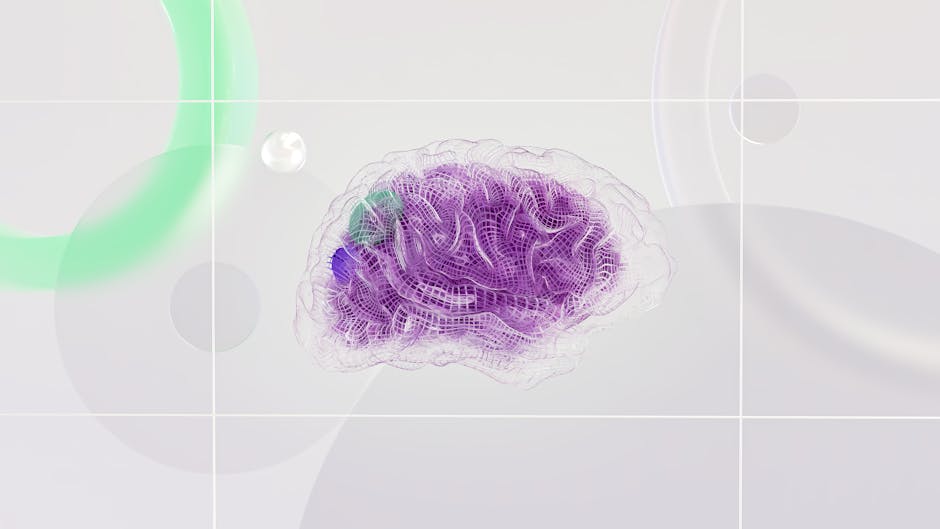
Photo by Google DeepMind on Pexels
The right hemisphere is often called the "creative" or "intuitive" side. It tends to excel at:
* Spatial Reasoning: Understanding where things are in space, navigation, and recognizing faces.
* Emotional Processing: Recognizing emotions in others (like facial expressions) and experiencing your own emotions.
* Holistic Processing: Seeing the big picture, understanding contexts, and integrating information.
* Music and Art Appreciation: Understanding melodies, rhythm, and visual aesthetics.
* Control of the Left Side of the Body: Your right hemisphere controls movement and receives sensory input from the left side of your body.
Interhemispheric Communication

Photo by Ann H on Pexels
Despite their specializations, the two hemispheres aren't isolated. They're constantly communicating through a thick band of nerve fibers called the corpus callosum. This massive bridge allows information to flow rapidly between the left and right sides, enabling them to work together on complex tasks. Without this connection, your brain wouldn't be able to integrate all the different pieces of information it receives and processes.
graph TD
    A["Left Hemisphere"] -->|Corpus Callosum| B["Right Hemisphere"];
    A --> C["Language (Speech, Writing)"];
    A --> D["Logic & Analysis"];
    A --> E["Math & Detail"];
    A --> F["Right Body Control"];
    B --> G["Spatial Awareness"];
    B --> H["Facial Recognition"];
    B --> I["Emotional Processing"];
    B --> J["Creativity & Music"];
    B --> K["Left Body Control"];
    C --> A; G --> B;
    H --> B; E --> A;
    I --> B; J --> B;
    K --> B; F --> A;
    D --> A;
3. Worked Example
Imagine you're trying to describe a friend's face. Your right hemisphere quickly recognizes the overall face as belonging to your friend. But if you then try to explain why you recognized them – "they have very distinct eyebrows," "their nose is slightly crooked" – your left hemisphere kicks in to process those specific details and translate them into language. Both sides work together: the right for the big picture recognition, and the left for the analytical breakdown and verbal description. This seamless interaction, facilitated by the corpus callosum, allows you to have a complete and integrated experience.
4. Key Takeaways
- Your brain has two hemispheres, each with specialized strengths.
- The left hemisphere is generally dominant for language, logic, and detailed processing.
- The right hemisphere is generally dominant for spatial awareness, emotional processing, and holistic thinking.
- The corpus callosum is a vital bridge that allows constant communication between the two hemispheres.
- Hemispheric specialization means different brain areas are better at certain tasks, not that they work exclusively.
- Damage to one hemisphere can lead to specific deficits in the functions it specializes in.
- For most people, the left hemisphere controls the right side of the body, and the right hemisphere controls the left.
Common Mistakes to Avoid:
- Don't think of brain hemispheres as completely independent; they always work together.
- Don't oversimplify to "left-brained" vs. "right-brained" people – everyone uses both.
- Don't assume specialization is absolute; some functions are more broadly distributed.
- Don't confuse the location of a function with its exclusive execution by that hemisphere.
5. Now Try It
Think about a complex task you do often, like driving a car or playing a musical instrument. For about 15 minutes, try to identify which parts of that task seem to rely more on your left hemisphere's strengths (like following rules, sequential steps, specific movements) and which parts seem to rely more on your right hemisphere's strengths (like spatial awareness, reacting to unexpected events, interpreting non-verbal cues). What happens if you try to do the task while consciously focusing on only one aspect at a time? Success looks like being able to clearly articulate how both hemispheres contribute to the overall activity.
Frequently asked about Brain Hemispheres and Communication
Study this next
Get the full intro pt 2 curriculum
Clone the complete plan to your dashboard for unlimited AI-generated notes, practice quizzes, and a personalised revision schedule.
Save this course free