Foundations of National Identity
From the nationalian curriculum
TL;DR
National identity is how a group of people feel connected to their nation, often sharing a common culture, history, and language. It's built through shared experiences and symbols, creating a sense of belonging and collective purpose. This identity isn't fixed; it evolves over time due to internal changes and external influences.
1. The Mental Model
Imagine a large, intricate tapestry woven over centuries. Each thread represents a shared story, a tradition, a belief, or a common experience. Your national identity is the unique pattern that emerges when all these threads are woven together, giving you and your fellow citizens a distinct sense of who you are as a collective.
2. The Core Material
National identity isn't just about where you're born; it's a complex mix of shared elements that bind people together and differentiate them from others. It provides a sense of belonging, purpose, and often, a collective will to act.
2.1. Key Components of National Identity
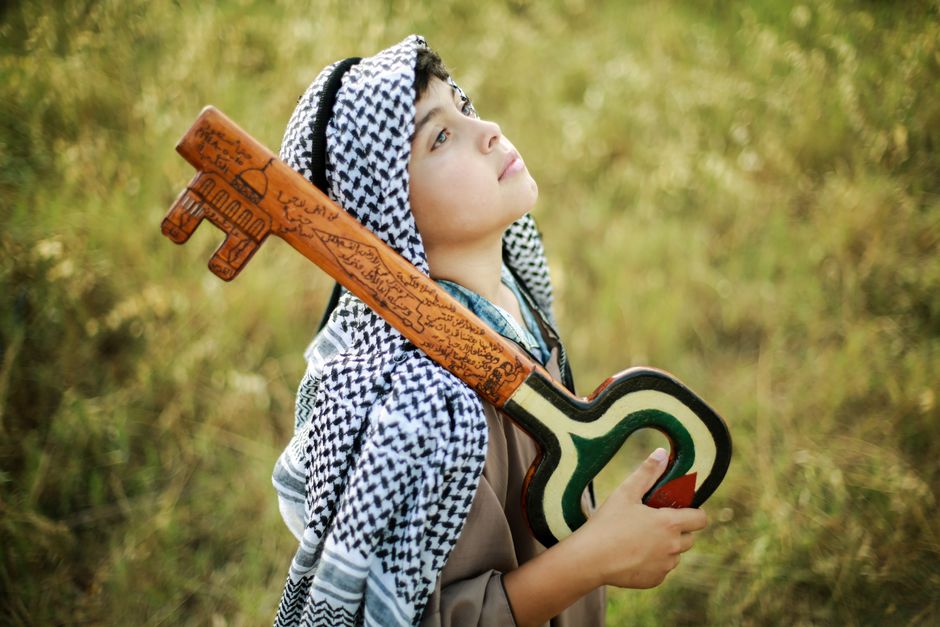
Photo by Hosny salah on Pexels
Several elements contribute to forming and maintaining a national identity. Think of these as the ingredients in a recipe:
- Shared History and Memory: This includes national narratives, historical events (victories, struggles, founding moments), and how these events are remembered and taught. It creates a common past.
- Culture and Traditions: This encompasses language, art, music, literature, cuisine, customs, and rituals that are unique or widely practiced within a nation. It shapes daily life and shared experiences.
- Symbols and Rituals: National flags, anthems, holidays, monuments, and ceremonies serve as tangible representations of the nation and its values. They evoke emotion and reinforce belonging.
- Political Ideology and Values: Common beliefs about governance, justice, rights, and the nation's role in the world can form a strong basis for identity. This includes shared democratic principles or specific national ideals.
- Territory and Geography: The physical land, its boundaries, and its landscape can foster a sense of shared belonging and protection.
- Common Language: While not always universal (many nations are multilingual), a dominant national language often acts as a powerful unifier, facilitating communication and cultural transmission.
2.2. How National Identity Develops and Changes
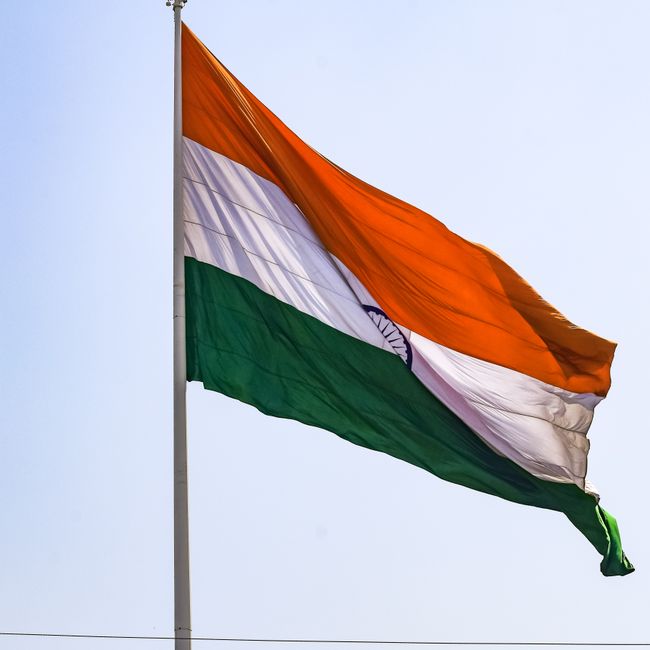
Photo by Rahul Sapra on Pexels
National identity isn't static; it's constantly being shaped and reshaped.
- Internal Factors: These include social movements, economic changes, evolving demographics, and political reforms. For example, a major social movement advocating for civil rights can fundamentally alter how a nation views its values and identity.
- External Factors: Globalization, migration, international conflicts, and interactions with other nations can also significantly influence national identity. Exposure to different cultures, for instance, can lead to both assimilation and the strengthening of existing identities.
- Narrative Construction: National identity is often actively constructed and reinforced through education, media, and political discourse. Governments and cultural institutions play a significant role in shaping the dominant national narrative.
Here's how these elements interact:
graph TD
    A["Shared History & Memory"] --> D["National Identity"]
    B["Culture & Traditions"] --> D
    C["Symbols & Rituals"] --> D
    E["Political Ideology & Values"] --> D
    F["Territory & Geography"] --> D
    G["Common Language"] --> D
    D --> H["Sense of Belonging"]
    D --> I["Collective Purpose"]
    J["Internal Factors (e.g., Social Change)"] --> D
    K["External Factors (e.g., Globalization)"] --> D
    L["Narrative Construction (Education, Media)"] --> D
3. Worked Example
Let's consider the national identity of the Philippines.
Shared History and Memory: A strong element is the shared experience of colonization (Spanish, American, Japanese) and the struggle for independence. Figures like Jose Rizal and events like the Philippine Revolution and EDSA People Power Revolution are central. These narratives foster a sense of resilience and love for freedom.
Culture and Traditions: Filipino hospitality, close family ties (collectivism), fiesta culture, and unique culinary traditions (like adobo or sinigang) are widely shared and celebrated. English and Filipino (Tagalog-based) serve as national languages, connecting diverse linguistic groups.
Symbols and Rituals: The Philippine flag, "Lupang Hinirang" (national anthem), and national holidays like Independence Day and Rizal Day are potent symbols that evoke patriotism and collective memory.
Political Ideology and Values: While often debated, democratic ideals, resilience, and faith are frequently cited as core Filipino values.
When you see Filipinos abroad gathering for a fiesta, celebrating Independence Day with a parade, or expressing pride in their national dishes, you're witnessing these foundational elements of national identity in action, fostering connection despite geographical distance.
4. Key Takeaways
- National identity is a collective sense of belonging and distinctiveness among people within a nation.
- It's built upon shared history, culture, symbols, values, territory, and often language.
- These components create a common narrative and reinforce mutual understanding.
- National identity isn't static; it evolves due to internal changes and external influences.
- Governments, education, and media actively shape and reinforce national identity narratives.
- Avoiding a monolithic view is crucial, as national identity often encompasses diverse internal groups.
- A strong national identity can foster unity but can also lead to exclusion if not carefully managed.
Common Mistakes to Avoid:
- Don't assume national identity is uniform; diversity often exists within a nation.
- Don't confuse national identity with individual identity; they are related but distinct.
- Avoid thinking national identity is purely about ethnicity; it's a broader concept.
- Don't forget that national identity can be both a source of strength and conflict.
5. Now Try It
Think about a country you are familiar with (it could be your own or another). Spend 15 minutes listing at least three specific examples for each of the core components of national identity (shared history, culture, symbols, political ideology, territory, language). Then, briefly describe one internal and one external factor that has shaped or is currently shaping that country's national identity.
What success looks like: You'll have a clear list of tangible examples for each component, demonstrating your understanding of how these elements manifest in a real-world national identity, along with insights into its dynamic nature.
Frequently asked about Foundations of National Identity
Study this next
Get the full nationalian curriculum
Clone the complete plan to your dashboard for unlimited AI-generated notes, practice quizzes, and a personalised revision schedule.
Save this course free