Введение: Контекст и Художественная Интерпретация
From the Как он гуляет по Москвы 1926 год пластилиновый и СССР curriculum
TL;DR
You'll explore the unique claymation film "Как он гуляет по Москвы 1926 год пластилиновый и СССР," understanding its historical backdrop in 1920s Soviet Moscow. We'll examine how the film uses the medium of plasticine to interpret this specific era, blending historical context with artistic expression. This introduction sets the stage for analyzing the film's narrative and visual choices.
1. The Mental Model
Imagine the 1920s Soviet Union as a canvas, and the film "Как он гуляет по Москвы 1926 год пластилиновый и СССР" as a vibrant, hand-molded sculpture on it. You're trying to understand both the historical texture of that canvas and the unique artistic choices made in shaping the clay.
2. The Core Material
Understanding "Как он гуляет по Москвы 1926 год пластилиновый и СССР" (How he walks around Moscow 1926, plasticine and USSR) requires looking at two main components: the historical context of 1926 Soviet Moscow and the artistic interpretation through plasticine animation.
2.1. Historical Context: Moscow in 1926
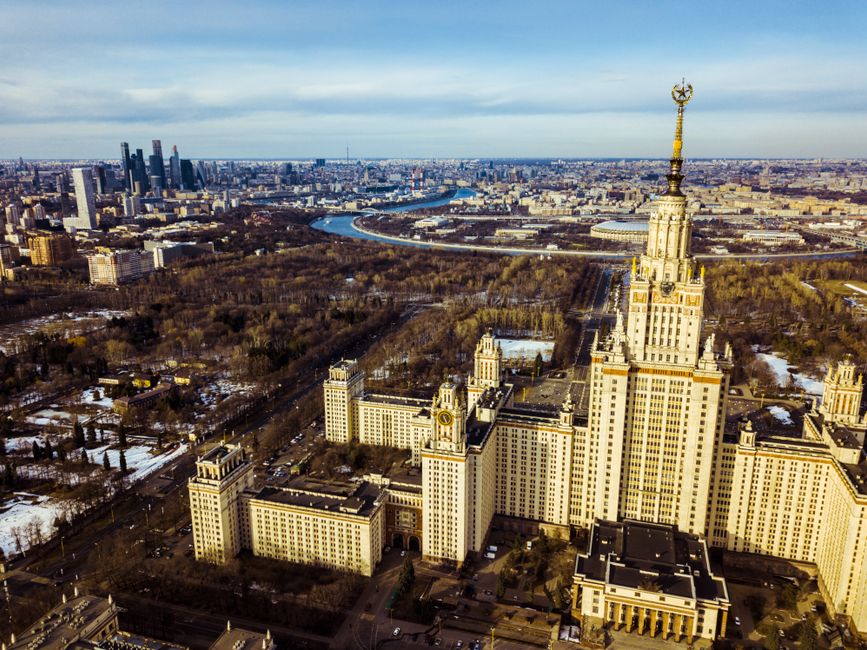
Photo by Mike on Pexels
1926 was a fascinating, often contradictory, year in the USSR. The country was in the midst of the New Economic Policy (NEP), a period of partial market liberalization after the harshness of War Communism. This meant a strange mix of private enterprise and socialist ideals.
- Social Life: Despite official ideology, there was a vibrant, often chaotic, social scene. Cafes, theaters, and new cultural movements coexisted with political control and social engineering efforts. People were adapting to a new way of life after revolution and civil war.
- Urban Landscape: Moscow was rapidly changing. New construction, public works, and a growing population were transforming the city, reflecting the ambitions of the young Soviet state.
- Political Atmosphere: While Stalin's consolidation of power was underway, the political landscape was still somewhat fluid. This period saw debates about the future direction of the country, before the full clampdown of the later Stalinist era.
- Technological Advancement: There was an emphasis on modernization and industrialization, leading to new technologies appearing in daily life, alongside traditional ways.
2.2. Artistic Interpretation: Plasticine Animation

Photo by Vitaly Gariev on Pexels
The choice of plasticine (claymation) isn't arbitrary; it profoundly shapes the film's interpretation of 1926 Moscow.
- Malleability and Transformation: Plasticine's ability to be easily molded and reshaped allows for fluid, almost dreamlike transformations, symbolizing the constant change and instability of the era.
- Tactile and Handmade Feel: The handmade quality of claymation gives the film a unique, often endearing, texture. It can evoke a sense of nostalgia, or perhaps highlight the human element within a grand historical narrative. It contrasts sharply with "official", often rigid, depictions of the Soviet state.
- Surrealism and Exaggeration: Claymation can easily lean into exaggeration and surrealism, making it perfect for interpreting the sometimes bizarre and unexpected aspects of NEP Moscow. It allows for a subjective, rather than strictly realistic, portrayal.
- Visual Metaphor: Objects and characters made of plasticine can act as powerful visual metaphors, taking on symbolic meanings through their form and movement.
This interplay between the concrete historical setting and the expressive, pliable medium is what makes the film so compelling.
graph TD
    A["Film Title: Как он гуляет по Москвы 1926 год пластилиновый и СССР"] --> B["Core Elements"]
    B --> C["Historical Context: Moscow, 1926"]
    B --> D["Artistic Interpretation: Plasticine Animation"]

    C --> C1["NEP Era (Market & Socialism Mix)"]
    C --> C2["Dynamic Social Life (Cafes, Culture)"]
    C --> C3["Changing Urban Landscape"]
    C --> C4["Political Transition (Stalin's Rise)"]
    C --> C5["Technological Shifts"]

    D --> D1["Medium: Plasticine (Claymation)"]
    D1 --> D2["Characteristics: Malleability, Transformation"]
    D1 --> D3["Characteristics: Tactile, Handmade Aesthetic"]
    D1 --> D4["Characteristics: Surrealism, Exaggeration Potential"]
    D1 --> D5["Characteristics: Visual Metaphor Capability"]

    C1 --> E["Influence on Film's Narrative/Themes"]
    C2 --> E
    C3 --> E
    C4 --> E
    C5 --> E

    D2 --> F["Impact on Film's Visuals/Tone"]
    D3 --> F
    D4 --> F
    D5 --> F

    E --> G["Film's Overall Message & Unique Perspective"]
    F --> G
3. Worked Example
Let's consider a hypothetical scene: A character, perhaps a "NEPman" (a private entrepreneur), is walking down a bustling Moscow street.
- Historical Context: In 1926, a NEPman would be a recognizable, though sometimes controversial, figure. The street would have a mix of new Soviet institutions and older, pre-revolutionary buildings, along with advertisements for private businesses allowed under NEP. People might be dressed in a mix of traditional and more modern, even Western-influenced, styles.
- Plasticine Interpretation: The filmmaker might depict the NEPman's body as overly soft and flexible, perhaps subtly deforming or stretching as he navigates the crowd, symbolizing his adaptable, somewhat opportunistic nature. The buildings could subtly morph their facades, reflecting the constant changes in urban planning or the shifting ideologies. A streetcar might zoom by, its windows showing distorted reflections of the city, highlighting the mix of modernity and disorienting change. The crowds themselves could be a vibrant, amorphous mass, highlighting the individual's struggle or immersion within the collective. This isn't just showing a street; it's interpreting the dynamic, often fluid, reality of 1926 Moscow through the very texture and movement of the plasticine.
4. Key Takeaways
- The film uses plasticine animation to interpret, not just depict, 1926 Moscow.
- 1926 Moscow was shaped by the New Economic Policy (NEP), blending market elements with socialist ideals.
- The social and urban landscape of Moscow in 1926 was undergoing rapid, complex changes.
- Plasticine's malleability allows for unique visual metaphors, exaggeration, and a tactile aesthetic.
- Understanding the historical context deepens your appreciation of the film's artistic choices.
- The film’s handmade quality often presents a more personal or subjective view of the era.
- This artistic choice highlights the dynamic and often contradictory nature of 1920s Soviet life.
Common Mistakes to Avoid:
- Don't view the film as a strictly historical documentary; it's an artistic interpretation.
- Don't ignore the impact of the medium; the choice of plasticine is central to its meaning.
- Don't forget the nuances of the NEP period; it wasn't purely communist or purely capitalist.
- Don't assume all elements are purely realistic; look for symbolic or exaggerated portrayals.
5. Now Try It
Think of another specific aspect of 1926 Moscow – maybe a public meeting, a factory, or a private home. Describe how you imagine it could be uniquely portrayed using plasticine animation, keeping the historical context in mind. What characteristics of plasticine would you emphasize to convey a particular feeling or message about that scene? Your answer should be about 3-5 sentences.
Frequently asked about Введение: Контекст и Художественная Интерпретация
Study this next
Get the full Как он гуляет по Москвы 1926 год пластилиновый и СССР curriculum
Clone the complete plan to your dashboard for unlimited AI-generated notes, practice quizzes, and a personalised revision schedule.
Create Free Account