Introduction to Flowers and Their Basic Anatomy
From the Flowers curriculum
TL;DR
Flowers are the reproductive structures of many plants, designed to produce seeds for the next generation. Each part of a flower has a specific job, working together to make this happen. Understanding these parts helps you appreciate how plants grow and reproduce.
1. The Mental Model
Think of a flower as a plant's reproductive factory. It has different departments, each with a specific role, all focused on creating new plant life.
2. The Core Material
Flowers aren't just pretty; they're essential for plant reproduction. They attract pollinators, facilitate fertilization, and ultimately produce seeds. We'll break down the main parts you'll find in a typical flower.
2.1 Sepals: The Flower's Protective Outer Layer

Photo by Siegfried Poepperl on Pexels
Sepals are usually green, leaf-like structures that enclose and protect the budding flower before it opens. Once the flower blooms, they often sit underneath, supporting the petals. Think of them as the flower's first line of defense.
2.2 Petals: The Attractors
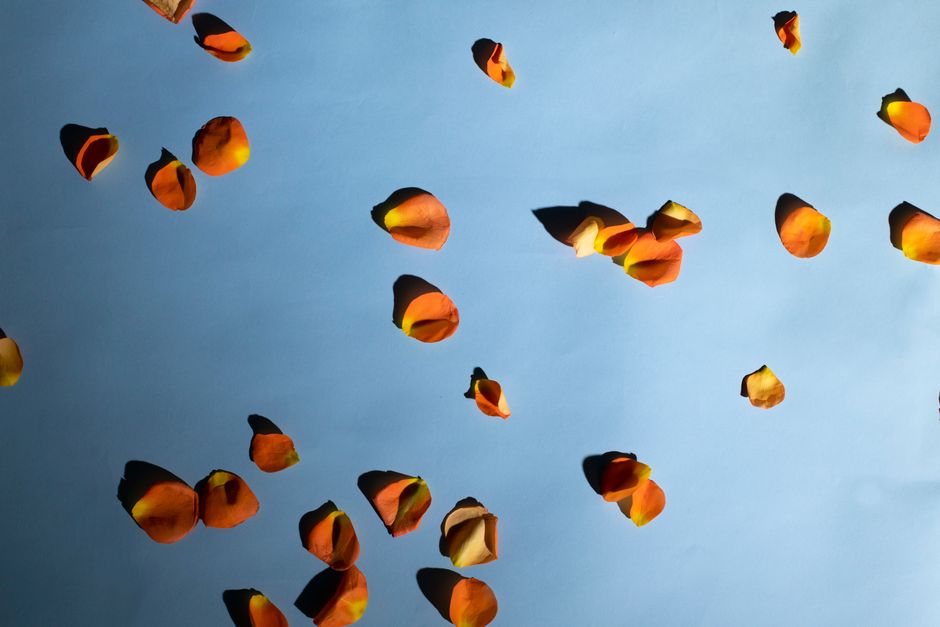
Photo by Jill Burrow on Pexels
Petals are often brightly colored and fragrant to attract pollinators like bees, butterflies, and birds. Their shape and scent are crucial for guiding these visitors to the flower's reproductive organs.
2.3 Stamens: The Male Parts

Photo by Elena Umyskova on Pexels
The stamens are the male reproductive organs of a flower. Each stamen consists of two main parts:
* Filament: A slender stalk that supports the anther.
* Anther: Contains pollen, which holds the male reproductive cells.
2.4 Pistil/Carpel: The Female Parts
Photo by Elena Umyskova on Pexels
The pistil (or carpel, if there's only one) is the female reproductive organ. It typically has three parts:
* Stigma: The sticky top part that receives pollen.
* Style: A stalk connecting the stigma to the ovary.
* Ovary: Contains ovules, which are the female reproductive cells. After fertilization, the ovary develops into the fruit, and the ovules become seeds.
Here's a simple diagram showing how these parts relate:
graph TD
    A["Flower"] --> B["Sepals (Protection)"]
    A --> C["Petals (Attraction)"]
    A --> D["Stamen (Male Part)"]
    A --> E["Pistil/Carpel (Female Part)"]

    D --> D1["Filament (Stalk)"]
    D --> D2["Anther (Pollen Producer)"]

    E --> E1["Stigma (Pollen Receiver)"]
    E --> E2["Style (Connects Stigma to Ovary)"]
    E --> E3["Ovary (Contains Ovules)"]
3. Worked Example
Imagine you're looking at a sunflower.
1. The small green structures at the very base of the flower head, below the yellow "petals," are the sepals, protecting the developing flower.
2. The large, bright yellow "petals" (actually ray florets) around the edge are there to attract pollinators, acting like typical petals.
3. If you look closely at the tiny individual flowers in the center (disc florets), you'd see little stalk-like structures with dusty yellow tips — these are the stamens with their anthers full of pollen.
4. Also within those central flowers, you'd find a tiny sticky tip (the stigma) and a connecting stalk (the style) leading down to an ovary at the base, which will eventually develop into the sunflower seed.
4. Key Takeaways
- Flowers are specialized structures for plant reproduction.
- Sepals protect the flower bud.
- Petals attract pollinators with color and scent.
- Stamens produce pollen (male reproductive cells).
- Pistils/Carpels contain the ovules (female reproductive cells) and develop into fruit and seeds.
- All these parts work together for successful seed production.
Common Mistakes to Avoid
- Confusing sepals with petals; sepals are usually green and protective, petals are typically colorful and attractive.
- Forgetting that the ovary develops into the fruit, and ovules into seeds.
- Thinking that all flowers look the same; while the basic parts are similar, their appearance can vary wildly.
- Underestimating the importance of each part; even seemingly minor parts have crucial roles.
5. Now Try It
Go outside and find a flower (if possible) or look up a detailed image of a common flower like a lily or rose online. Try to identify the sepals, petals, stamens (filament and anther), and the pistil (stigma, style, and ovary). Can you point to each part and describe its function based on what you've learned? What does success look like? You should be able to correctly identify at least four distinct parts and explain their primary role in reproduction.
Frequently asked about Introduction to Flowers and Their Basic Anatomy
Study this next
Get the full Flowers curriculum
Clone the complete plan to your dashboard for unlimited AI-generated notes, practice quizzes, and a personalised revision schedule.
Save this course free