The War at Sea: Naval Blockades and Submarine Warfare
From the WW1 curriculum
The War at Sea: Naval Blockades and Submarine Warfare
TL;DR
Naval blockades and submarine warfare were critical strategies in WWI, aiming to starve enemy nations and disrupt supply lines. Britain's blockade crippled Germany, leading to its desperate use of unrestricted submarine warfare. This U-boat campaign, while effective, ultimately drew the United States into the conflict.
1. The Mental Model
Think of naval warfare in WWI as a massive, deadly game of hide-and-seek and economic strangulation. One side tried to cut off the other's lifeline (blockade), while the other tried to sink the ships maintaining that lifeline and any ship supplying its enemies (submarine warfare).
2. The Core Material
At the start of WWI, naval power was dominated by battleships, but the war quickly evolved into a struggle over supply lines and resources. Britain, with the world's largest navy, immediately imposed a naval blockade on Germany. This wasn't just about sinking warships; it was about preventing any goods, including food and raw materials, from reaching Germany and its allies.
The British Blockade
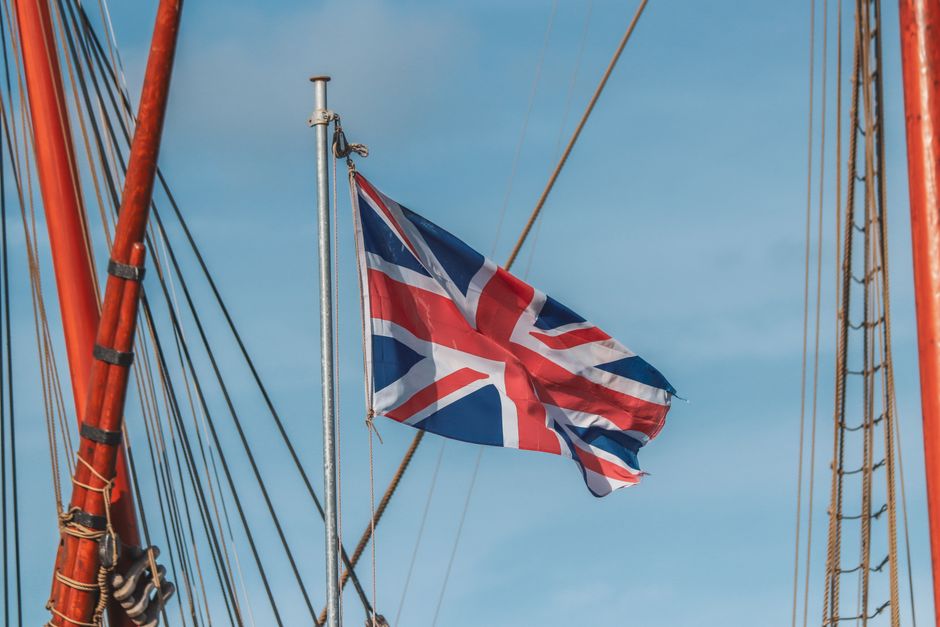
Photo by Boys in Bristol Photography on Pexels
The British Royal Navy's strategy was simple: control the seas, especially the North Sea, to cut off Germany's access to international trade. They declared the North Sea a war zone, stopping and searching neutral ships for contraband. This blockade was incredibly effective over time.
- Impact on Germany: Germany relied heavily on imports. The blockade led to severe food shortages, rationing, and a lack of essential raw materials for its industries. This had a significant impact on civilian morale and Germany's ability to wage war effectively. It's considered a major factor in Germany's eventual defeat.
- Legal Challenges: The blockade pushed the boundaries of international law concerning neutral shipping, leading to tensions with countries like the United States.
German Submarine Warfare (U-boats)
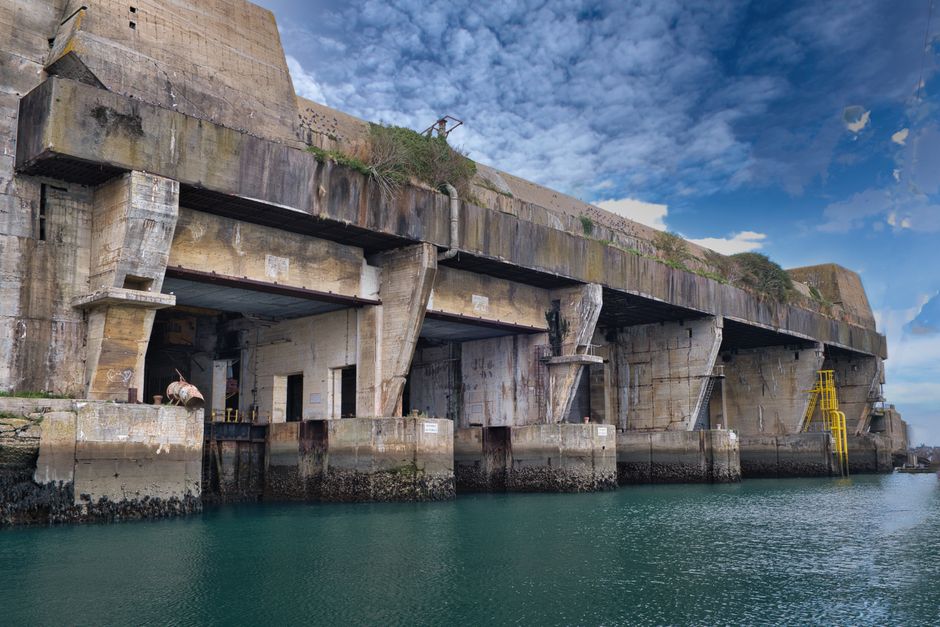
Photo by Reinhard Bruckner on Pexels
In response to the devastating blockade, Germany turned to its rapidly developing submarine fleet (U-boats). Initially, international law required submarines to surface, warn merchant ships, and allow crews to evacuate before sinking them (cruiser rules). However, this made U-boats vulnerable to armed merchant ships.
Germany's naval strategy evolved through several phases:
- Initial Submarine Campaign (1914-1915): Limited attacks, still largely adhering to cruiser rules, but with some attacks on passenger ships.
- Unrestricted Submarine Warfare (February 1915 - September 1915): Germany declared the waters around Britain a war zone and would sink any Allied ship without warning.
- The Lusitania Incident (May 1915): A German U-boat sank the British passenger liner RMS Lusitania, killing over 1,100 people, including 128 Americans. This caused international outrage and strong protests from the US.
- Suspension: Due to American pressure, Germany temporarily suspended unrestricted submarine warfare to avoid drawing the US into the war.
-
Return to Unrestricted Submarine Warfare (February 1917): Facing severe resource shortages from the British blockade and desperate to break the stalemate on the Western Front, Germany resumed unrestricted submarine warfare. They calculated they could defeat Britain before the US could fully mobilize.
mermaid
graph TD
    A["Britain's Naval Blockade"] --> B["German Resource Shortages"]
    B --> C{"Germany's Response"};
    C --> D["Initial U-boat Campaign (Limited)"]
    D --> E["Unrestricted Submarine Warfare (1915)"];
    E --> F["Sinking of RMS Lusitania"]
    F --> G["US Outcry & Threat of War"];
    G --> H["Germany Suspends Unrestricted Warfare"];
    H --> I["Continued Blockade & Resource Crisis"];
    I --> J["Germany Resumes Unrestricted Warfare (1917)"];
    J --> K["Intensified Shipping Losses"];
    K --> L["US Declares War (April 1917)"];
Countermeasures to U-boats
Photo by Onur Kurtic on Pexels
Allied navies, initially caught off guard, developed effective countermeasures:
- Convoys: Merchant ships began sailing in groups (convoys) protected by naval escorts. This made them harder targets and allowed escorts to hunt U-boats.
- Depth Charges: New weapons designed to explode at a set depth, capable of damaging or sinking submerged submarines.
- Hydrophones: Devices used to detect the sounds of submerged submarines.
- Minefields: Extensive minefields were laid in strategic areas to deter U-boats.
These measures significantly reduced Allied shipping losses and severely hampered the U-boat campaign, though not before it inflicted immense damage.
3. Worked Example
Consider the impact of the British blockade on German food supply. Before the war, Germany imported a significant portion of its food. By 1916, two years into the blockade, food rationing became severe. For instance, in Berlin, daily bread rations were cut from 225g in 1915 to 170g in 1916, and then to 140g by 1918. Potatoes, a staple, were often unavailable. The winter of 1916-1917 became known as the "Turnip Winter" because turnips, usually fed to livestock, became a primary food source due to potato crop failures and the blockade. This led to widespread malnutrition and an estimated 750,000 civilian deaths from starvation and related diseases, directly contributing to social unrest and calls for peace within Germany.
4. Key Takeaways
- The British naval blockade was a long-term strategy to economically cripple Germany.
- Germany's response to the blockade was to employ U-boats for submarine warfare.
- Unrestricted submarine warfare involved sinking ships without warning.
- The sinking of the Lusitania was a pivotal event that nearly drew the US into the war earlier.
- The resumption of unrestricted submarine warfare in 1917 directly led to the US joining the Allied powers.
- Allied counter-measures like convoys and depth charges were crucial in defeating the U-boat threat.
Common mistakes you should avoid:
- Don't confuse the Lusitania sinking with the trigger for US entry; it was a major factor but Germany suspended the campaign temporarily.
- Don't underestimate the long-term, slow-burn impact of the blockade versus the immediate shock of U-boat attacks.
- Don't forget that submarine warfare evolved; it wasn't unrestricted from the start.
- Don't think U-boats were the only naval action; surface fleets still played a role, albeit limited after Jutland.
5. Now Try It
Imagine you are an advisor to Kaiser Wilhelm II in late 1916, before the decision to resume unrestricted submarine warfare. Write a short paragraph (about 5-7 sentences) arguing for or against resuming this policy, considering both its potential benefits (e.g., strangling Britain) and its risks (e.g., US entry into the war). What would success look like for your chosen path, and what's the biggest danger?
Frequently asked about The War at Sea: Naval Blockades and Submarine Warfare
More from WW1
Get the full WW1 curriculum
Clone the complete plan to your dashboard for unlimited AI-generated notes, practice quizzes, and a personalised revision schedule.
Create Free Account