Ketentuan Salat dan Thaharah
From the buat materinya tiap poin curriculum
Ketentuan Salat dan Thaharah
TL;DR
You'll learn about the essential requirements for performing Salat (prayer) and Thaharah (purification). We'll cover the conditions for valid prayer, the types and methods of purification, and what invalidates them. Mastering these fundamentals ensures your acts of worship are accepted.
1. The Mental Model
Think of Salat and Thaharah as a two-part key to a locked door. Thaharah is the first part, ensuring you're ritually clean, while Salat is the second, the act of prayer itself. Both must be correctly inserted and turned for the door (your prayer's acceptance) to open.
2. The Core Material
Salat, or prayer, is one of the five pillars of Islam, and Thaharah, or ritual purity, is its prerequisite. You can't perform Salat without first achieving Thaharah.
2.1 Ketentuan Thaharah (Ketentuan Bersuci)

Photo by Defrino Maasy on Pexels
Thaharah means ritual purity. It's about removing ritual impurities (hadats) and physical impurities (najis).
2.1.1 Jenis Hadats (Ritual Impurities)
- Hadats Kecil: Requires Wudhu (ablution). Caused by things like passing gas, urinating, defecating, sleeping soundly, or touching a non-mahram of the opposite sex with desire (according to some schools).
- Hadats Besar: Requires Mandi Wajib (ritual bath). Caused by things like sexual intercourse, menstruation, childbirth, or seminal discharge.
2.1.2 Jenis Najis (Physical Impurities)
Najis are physical impurities that must be removed from your body, clothes, and place of prayer.
- Najis Mukhaffafah (Light): Urine of a baby boy who only consumes milk (under two years old). Cleaned by sprinkling water.
- Najis Mutawassitah (Medium): Most common najis, like urine, faeces, blood, vomit, alcohol. Cleaned by washing until the colour, smell, and taste are gone.
- Najis Mughallazhah (Heavy): Dog saliva/feces, pig. Cleaned by washing seven times, one of which must be with soil/earth.
2.1.3 Cara Bersuci (Methods of Purification)
- Wudhu (Ablution): For Hadats Kecil.
- Niat (Intention)
- Wash face
- Wash hands up to elbows
- Wipe head
- Wash feet up to ankles
- Tertib (Orderly)
- Mandi Wajib (Ritual Bath): For Hadats Besar.
- Niat
- Pour water over the entire body, ensuring water reaches all skin and hair.
- Tayammum (Dry Ablution): Substitute for Wudhu or Mandi Wajib when water is unavailable or its use is harmful.
- Niat
- Strike clean earth (dust) with hands.
- Wipe face.
- Strike earth again.
- Wipe hands up to elbows.
Here's how Thaharah flows:
graph TD
    A["Need to Pray?"] --> B{Are you Pure?};
    B -- "No, Hadats Kecil" --> C[Perform Wudhu];
    B -- "No, Hadats Besar" --> D[Perform Mandi Wajib];
    B -- "No water/harmful" --> E[Perform Tayammum];
    C --> F[Check Najis?];
    D --> F;
    E --> F;
    F -- "Yes, Najis" --> G[Remove Najis];
    F -- "No Najis" --> H[You are Pure];
    G --> H;
    H --> I[Ready for Salat];
2.2 Ketentuan Salat (Ketentuan Shalat)
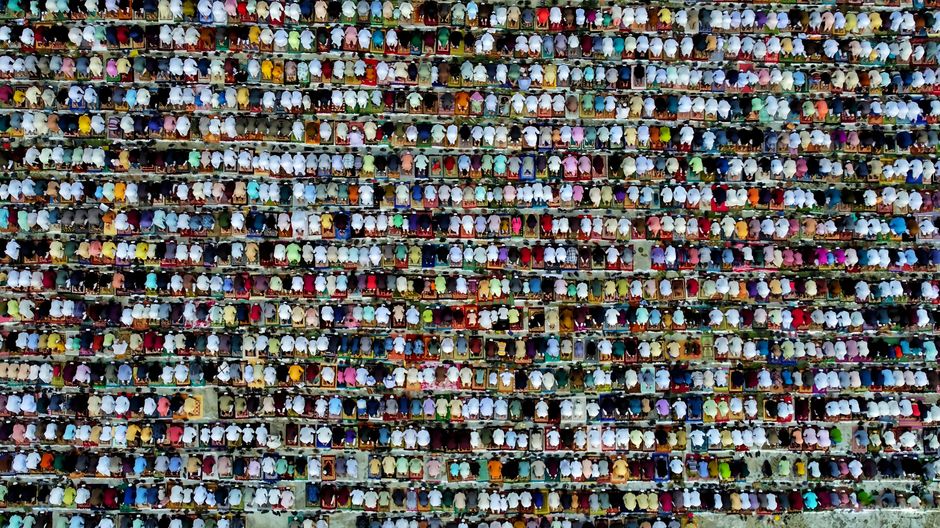
Photo by Ikhlas Al Fahim on Pexels
Salat has conditions for its validity (syarat sah) and pillars (rukun) that must be fulfilled.
2.2.1 Syarat Sah Salat (Conditions for Valid Prayer)
These must be met before you start praying:
1. Suci dari Hadats Kecil dan Besar: You must be in a state of Thaharah.
2. Suci dari Najis: Your body, clothes, and place of prayer must be free from physical impurities.
3. Menutup Aurat: Cover the parts of your body designated as aurat (men: from navel to knee; women: entire body except face and hands).
4. Menghadap Kiblat: Face the Kaaba in Mecca.
5. Telah Masuk Waktu Salat: Pray within the prescribed time for each prayer (Fajr, Dhuhr, Asr, Maghrib, Isha).
6. Islam, Baligh (Mature), Berakal (Sane): You must be a Muslim, have reached puberty, and be of sound mind.
2.2.2 Rukun Salat (Pillars of Prayer)
These are essential actions and recitations during prayer. If you miss one intentionally, your prayer is invalid.
1. Niat: Intention in your heart to perform the specific prayer.
2. Takbiratul Ihram: Saying "Allahu Akbar" to begin the prayer.
3. Berdiri bagi yang mampu: Standing upright if you're able.
4. Membaca Al-Fatihah: Reciting the opening chapter of the Quran.
5. Ruku' dengan Tuma'ninah: Bowing with calmness.
6. I'tidal dengan Tuma'ninah: Standing up straight from bowing with calmness.
7. Sujud dua kali dengan Tuma'ninah: Prostrating twice with calmness.
8. Duduk di antara dua sujud dengan Tuma'ninah: Sitting between the two prostrations with calmness.
9. Duduk Tasyahhud Akhir: Sitting for the final testimony.
10. Membaca Tasyahhud Akhir: Reciting the final testimony.
11. Membaca Salawat atas Nabi: Sending blessings upon the Prophet Muhammad.
12. Salam yang pertama: Saying the first "Assalamu 'alaikum wa rahmatullah" to conclude.
13. Tertib: Performing all these pillars in the correct order.
3. Worked Example
Imagine you're about to pray Dhuhr.
First, you check your Thaharah. You notice you passed gas earlier (hadats kecil). So, you perform Wudhu:
1. You make the intention to perform Wudhu.
2. Wash your face.
3. Wash your hands up to the elbows.
4. Wipe your head.
5. Wash your feet up to the ankles.
6. You ensure you did it in order.
Next, you check for Najis. You spilled coffee on your shirt earlier (najis mutawassitah). You quickly change your shirt or wash the soiled part until no colour, smell, or taste remains.
Then, you ensure your aurat is covered, you're facing the Qibla (using a compass or app), and it's definitely Dhuhr time. Now you're ready for Salat.
You start your Dhuhr prayer (4 raka'at):
1. Make the Niat for Dhuhr.
2. Say Takbiratul Ihram ("Allahu Akbar").
3. Stand and recite Al-Fatihah, followed by another surah.
4. Perform Ruku' with Tuma'ninah.
5. Perform I'tidal with Tuma'ninah.
6. Perform first Sujud with Tuma'ninah.
7. Sit between two Sujud with Tuma'ninah.
8. Perform second Sujud with Tuma'ninah.
9. Repeat steps 3-8 for the remaining three raka'at.
10. After the fourth raka'at, Sit Tasyahhud Akhir and recite it.
11. Recite Salawat upon the Prophet.
12. Say the first Salam to the right, then the second Salam to the left.
13. You ensure you did everything in Tertib.
Because you fulfilled all the conditions before and the pillars during, your Dhuhr prayer is valid.
4. Key Takeaways
- Thaharah is a non-negotiable prerequisite for Salat; you must be ritually clean and free from physical impurities.
- Hadats (ritual impurity) requires Wudhu (minor) or Mandi Wajib (major) to cleanse.
- Najis (physical impurity) on your body, clothes, or prayer area must be removed according to its type.
- Tayammum is a permissible alternative for purification when water is unavailable or harmful.
- Salat has clear conditions (Syarat Sah) that must be met before starting and pillars (Rukun) that must be performed during prayer.
- Missing any Rukun (pillar) intentionally invalidates your prayer, requiring you to repeat it.
Common Mistakes to Avoid:
- Forgetting to make Niat for Wudhu, Mandi Wajib, or the Salat itself.
- Not ensuring all parts of the body are washed during Wudhu/Mandi Wajib, or not removing najis properly.
- Rushing through Ruku' or Sujud without proper Tuma'ninah (calmness and stillness).
- Not checking the prayer time or Qibla direction, or praying with uncovered aurat.
5. Now Try It
You've just woken up from a deep sleep, and it's time for Maghrib prayer. Describe step-by-step what you would do to prepare and perform the Maghrib prayer, assuming you don't find any najis on you or your clothes.
What to do: List out each action from waking up until the completion of the Maghrib prayer, detailing the type of purification needed and the essential steps of the prayer itself.
What success looks like: Your steps clearly demonstrate an understanding of both Thaharah and Salat requirements in their correct order.
Frequently asked about Ketentuan Salat dan Thaharah
Study this next
Get the full buat materinya tiap poin curriculum
Clone the complete plan to your dashboard for unlimited AI-generated notes, practice quizzes, and a personalised revision schedule.
Create Free Account