Conceptual Development & Storyboarding
From the i wanna make video where Ronaldo eating shit curriculum
Conceptual Development & Storyboarding
TL;DR
Developing your video idea means figuring out what you want to show and why. Storyboarding helps you plan each shot so your video makes sense and flows well. Together, these steps turn your wild idea into a practical plan for making your "Ronaldo eating shit" video.
1. The Mental Model
Think of conceptual development as brainstorming the "what" and "why" of your video. Storyboarding is then the "how" – it's like drawing a comic book version of your video before you even open your editing software. These two stages make sure your final video delivers on your initial vision.
2. The Core Material
Developing Your Concept
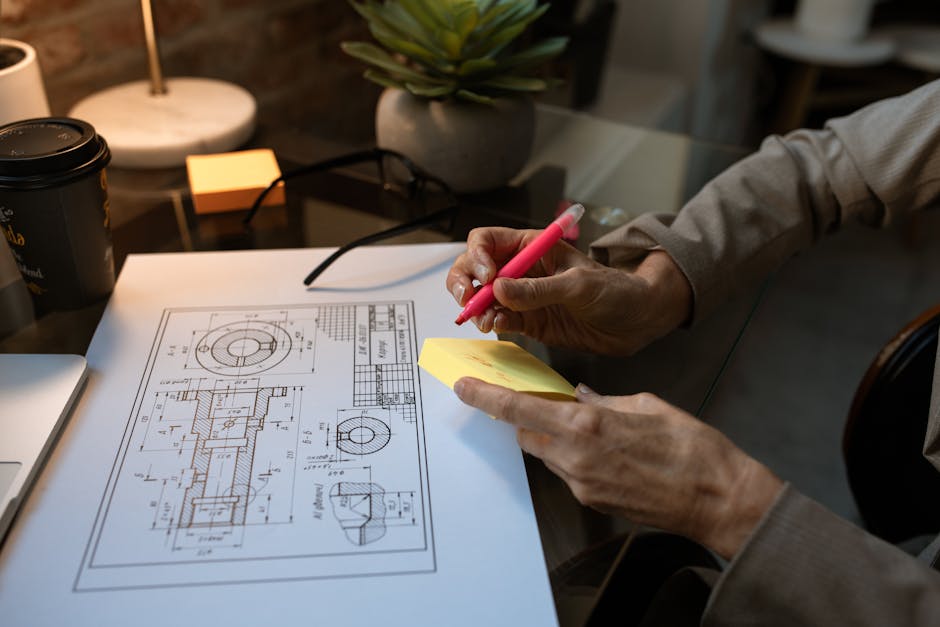
Photo by RDNE Stock project on Pexels
Before you draw anything, you need to solidify your idea. For "Ronaldo eating shit," this means clarifying what 'eating shit' actually means in your video context. Is it literally eating feces, or is it a metaphor for a bad performance, a public humiliation, or something else entirely? Is it meant to be funny, shocking, critical, or absurd?
Ask yourself:
* What's the core message or feeling? (e.g., "Ronaldo's public image shattered.")
* Who is my audience? (e.g., people who find dark humor funny, football fans, meme enthusiasts.)
* What specific actions or visuals will convey this? (e.g., a CGI Ronaldo, a real actor mimicking Ronaldo, symbolic imagery.)
* What's the "shit" in this context? (e.g., a mud pie, a metaphorical pile of bad decisions, green screen effects.)
Storyboarding Your Idea
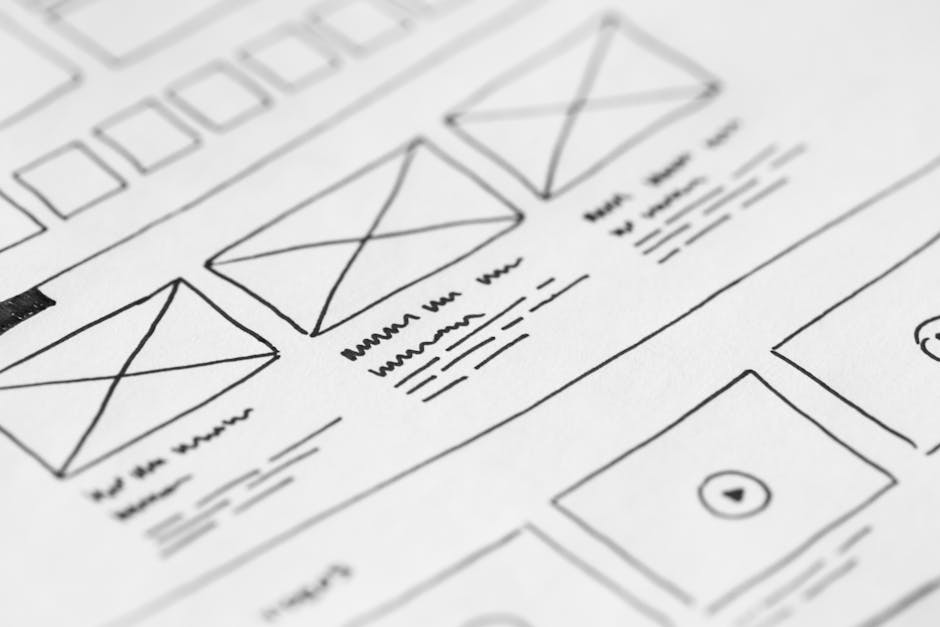
Photo by picjumbo.com on Pexels
Once your concept is solid, storyboarding helps you map out every key moment visually. It’s a sequence of drawings (even stick figures are fine!) that represent each shot or scene in your video. For each panel, you'll want to note:
- Visual: What's in the shot? Who's doing what?
- Action/Movement: How do things move? (e.g., "Camera zooms in on Ronaldo's face," "Ronaldo slowly reaches for the object.")
- Dialogue/Sound: Any voiceovers, sound effects, or music? (e.g., "Disgusted grunt," "Sad trumpet music.")
- Time: Rough duration for the shot.
This process forces you to think about transitions, timing, and how your narrative (even a simple one) unfolds.
graph TD
    A["Initial Idea: Ronaldo eating shit"] --> B["Conceptual Development"];
    B --> C1("What's the 'shit'? (Literal vs. Metaphor)");
    B --> C2("What's the tone? (Funny, Shocking, Absurd)");
    B --> C3("What's the message/goal?");
    C1 & C2 & C3 --> D["Refined Concept: Ronaldo's public humiliation visualized"];
    D --> E["Storyboarding"];
    E --> F1("Panel 1: Ronaldo confident");
    E --> F2("Panel 2: Bad performance/incident");
    E --> F3("Panel 3: Object (the 'shit') appears");
    E --> F4("Panel 4: Ronaldo's reaction & eating action");
    E --> F5("Panel 5: Aftermath/Audience reaction");
    F1 & F2 & F3 & F4 & F5 --> G["Pre-Visualization Complete"];
3. Worked Example
Let's say your refined concept for "Ronaldo eating shit" is: "A surreal, darkly comedic take where Ronaldo, after a truly terrible game, is forced to consume a symbolic, visually disgusting 'shit' (represented by a mud pie with glitter) as public penance."
Here's how a few storyboard panels might look:
Panel 1:
* Visual: Close-up on Ronaldo's face, smug and confident, in a clean, brightly lit locker room.
* Action/Movement: Slight, almost imperceptible smirk.
* Dialogue/Sound: Ambient locker room chatter.
* Time: 3 seconds.
Panel 2:
* Visual: Quick montage of bad gameplay: Ronaldo missing an open goal, tripping over the ball, accidentally scoring an own goal. Exaggerated failures.
* Action/Movement: Rapid cuts, shaky cam for chaos.
* Dialogue/Sound: "Boos" from a crowd, "whiff" sounds, a comical "thud."
* Time: 5 seconds.
Panel 3:
* Visual: Back in the locker room, but now it's dimly lit. A small, steaming, glitter-covered mud pie sits on a table in front of a dejected Ronaldo. His teammates are looking away awkwardly.
* Action/Movement: Slow pan from the mud pie to Ronaldo's horrified face.
* Dialogue/Sound: Eerie, suspenseful music starts. Ominous hum.
* Time: 7 seconds.
Panel 4:
* Visual: Extreme close-up of Ronaldo's hand slowly reaching for the mud pie, then a shot of him taking a small, disgusted bite. Glitter drips down his chin.
* Action/Movement: Very slow, deliberate movements.
* Dialogue/Sound: Loud, exaggerated "squelch" as he bites. Ronaldo's choked gasp. Music swells then cuts abruptly.
* Time: 8 seconds.
4. Key Takeaways
- Start with your core idea and ask "what if" and "why" to develop the concept.
- Clarity on your concept (what you want to say and how) is more important than perfect drawings for storyboarding.
- Storyboards break your video into manageable, visual chunks, shot by shot.
- Each storyboard panel should detail visuals, action, sound, and estimated time.
- Storyboarding helps pre-plan how your video will flow and identify potential issues early.
- Don't be afraid to make your first storyboard drawings messy; it's about ideas, not art.
Common Mistakes to Avoid:
- Jumping straight to filming or editing without a solid concept.
- Skipping storyboarding, leading to disorganized and confusing videos.
- Only thinking about visuals, forgetting about sound and timing.
- Trying to cram too many ideas into one shot or scene.
5. Now Try It
Take your "Ronaldo eating shit" idea and spend 15 minutes further refining its concept. Decide exactly what the "shit" represents, what the tone will be, and one specific reaction you want from your audience. Then, sketch out at least 5 storyboard panels for key moments in your video, focusing on the visual, action, sound, and a rough timing for each. Success looks like having a clearer idea of your video's content and a rough visual roadmap for its first 30-60 seconds.
Frequently asked about Conceptual Development & Storyboarding
Get the full i wanna make video where Ronaldo eating shit curriculum
Clone the complete plan to your dashboard for unlimited AI-generated notes, practice quizzes, and a personalised revision schedule.
Create Free Account