The First World War, Khilafat and Non-Cooperation
From the Nationalism In India curriculum
The First World War, Khilafat and Non-Cooperation
TL;DR
The First World War drastically changed India's political landscape, creating widespread discontent and new awareness of British exploitation. This unrest, combined with the Khilafat movement's religious outrage, provided Gandhi a unique opportunity to unite Hindus and Muslims in a powerful, nationwide non-violent protest. The Non-Cooperation Movement was an unprecedented challenge to British rule, demonstrating mass public participation in India's struggle for self-rule.
1. The Mental Model
Think of these events as a perfect storm: external war pressures mixing with internal religious grievances and a new strategy (non-cooperation) to spark a huge, unified challenge against British control in India.
2. The Core Material
2.1 How WWI Changed India
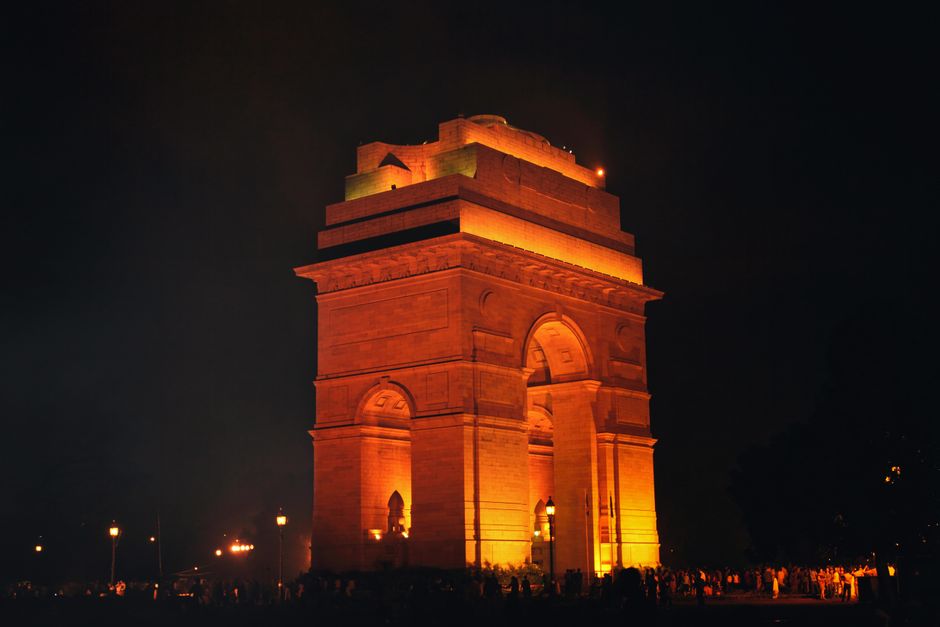
Photo by Atul Saini on Pexels
When World War I broke out in 1914, Britain involved India without consulting Indian leaders. While some Indian leaders supported the war effort, hoping for rewards like greater self-rule, the reality was harsh.
- Economic Exploitation: India contributed huge amounts of soldiers, money, and supplies to the British war effort. This led to increased taxes, rising food prices, and shortages for ordinary Indians. Many faced poverty and famine.
- Forced Recruitment: Villagers were often forced to join the army, causing widespread resentment.
- Political Disillusionment: After the war, Indian hopes for significant political reforms were largely dashed, leading to deep disappointment and a feeling of betrayal.
- New Political Awareness: The war also exposed Indians to new ideas about self-determination and nationalism, observing how other nations fought for their freedom.
2.2 The Khilafat Movement

Photo by Nurullah Siddique on Pexels
The Khilafat Movement emerged after WWI due to British policy towards the Ottoman Empire. The Ottoman Sultan was also the Caliph (Khalifa), the spiritual leader of Sunni Muslims worldwide.
- Treaty of Sèvres: After the war, the Allies, including Britain, imposed a harsh treaty on the defeated Ottoman Empire (Treaty of Sèvres, 1920), stripping the Caliph of his powers and territories.
- Muslim Outrage: Indian Muslims felt deeply offended by this treatment of their spiritual leader. They believed their religious identity was under attack.
- Leadership: Brothers Muhammad Ali and Shaukat Ali, along with Maulana Azad and others, led this movement.
- Seeking Support: They sought support from Mahatma Gandhi, hoping to turn it into a nationwide protest.
2.3 Gandhi's Entry and Non-Cooperation
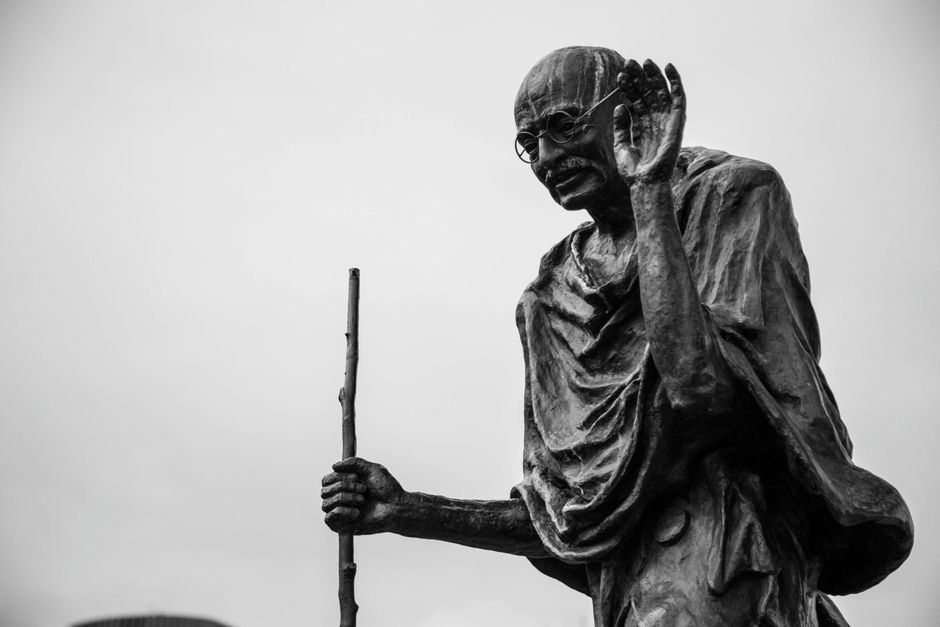
Photo by Stephen Leonardi on Pexels
Gandhi saw the Khilafat issue as a golden opportunity to unite Hindus and Muslims against the British. He believed a combined movement could effectively challenge colonial rule.
- Calcutta Session (Sept 1920): Gandhi convinced the Congress to start a Non-Cooperation Movement in support of Khilafat and for Swaraj (self-rule).
- Non-Cooperation Goals:
- Protest against the Jallianwala Bagh Massacre (1919)
- Support the Khilafat cause
- Demand Swaraj (self-rule)
- Methods of Non-Cooperation:
- Boycotts: Boycotting British goods, schools, colleges, law courts, and legislative councils.
- Renunciation: Surrendering titles and honorary offices awarded by the British.
- Promotion of Swadeshi: Encouraging the use of Indian clothes (khadi) and goods.
- Non-payment of taxes: In some areas, people refused to pay land revenue.
graph TD
    A["First World War (1914-1918)"] --> B["Economic Hardship & Exploitation in India"]
    A --> C["British Treatment of Ottoman Empire"]
    B --> D["Increased Indian Discontent & Nationalism"]
    C --> E["Muslim Outrage: Khilafat Movement (1919-1924)"]
    D & E --> F["Gandhi's Opportunity for Unity"]
    F --> G["Congress Special Session (Calcutta, 1920)"]
    G --> H["Non-Cooperation Movement (1920-1922) Initiated"]
    H --> I["Mass Mobilization & Boycotts"]
    H --> J["Demand for Swaraj & Khilafat Protection"]
2.4 The Impact and Withdrawal

Photo by Ann H on Pexels
The Non-Cooperation Movement was incredibly successful in terms of mass participation. Millions joined, and the British administration was severely challenged.
- Mass Appeal: It reached peasants, workers, middle-class professionals, women, and students across India.
- Hindu-Muslim Unity: The movement temporarily created unprecedented unity between Hindus and Muslims.
- Chauri Chaura Incident (Feb 1922): A violent clash occurred in Chauri Chaura (Uttar Pradesh) where protestors attacked a police station, killing several policemen.
- Gandhi's Decision: Disturbed by this violence, which went against his principle of non-violence (Satyagraha), Gandhi immediately called off the Non-Cooperation Movement. Many leaders were surprised and disagreed with this decision.
3. Worked Example
Imagine being a villager around 1917-1921. During WWI, your son was forcibly recruited into the army, and your family was hit by rising grain prices and new taxes on salt and cloth. News then reaches you that the British are dismantling the Ottoman Empire, disrespecting the Caliph, a central figure in your faith.
Then, Gandhi arrives in your region. He asks you to spin your own yarn and weave your own cloth instead of buying British textiles. He urges you to take your children out of British schools and send them to new national schools. He tells you to quit your job if you work for the British government or boycott the local court if you're a lawyer. He promises that if enough people do this, the British will have no choice but to grant Swaraj. This is the essence of the Non-Cooperation Movement: a multi-pronged attack on British authority using withdrawal of consent.
4. Key Takeaways
- The First World War exacerbated economic hardship and political disillusionment in India, fueling nationalist sentiments.
- The Khilafat Movement was a religious and political protest by Indian Muslims against British policy towards the Ottoman Caliph.
- Gandhi skillfully united the Khilafat grievance with the demand for Swaraj, launching the Non-Cooperation Movement.
- Non-Cooperation involved boycotts of British institutions and goods, aiming to cripple colonial administration non-violently.
- The movement achieved unprecedented Hindu-Muslim unity and mass participation, significantly challenging British rule.
- Gandhi abruptly withdrew the movement after the Chauri Chaura incident due to his commitment to non-violence.
- Despite its withdrawal, the movement demonstrated the power of mass protest and galvanized nationalist consciousness throughout India.
Common Mistakes to Avoid:
- Don't confuse the causes of Gandhi's entering politics with the immediate triggers of the Non-Cooperation Movement.
- Don't underestimate the significance of the Khilafat issue in uniting different communities.
- Don't think the Non-Cooperation Movement failed just because it was withdrawn; it had profound long-term impacts.
- Don't forget that WWI had both short-term negative economic impacts and long-term positive political awareness impacts on India.
5. Now Try It
List three specific ways the First World War impacted ordinary Indians and explain how the Khilafat Movement broadened the base of anti-British sentiment by connecting it to a religious grievance. Then, describe at least three methods used during the Non-Cooperation Movement that targeted specific aspects of British control.
What success looks like: You'll have identified concrete examples for each part of the prompt, showing how these distinct elements combined to form a powerful challenge to British authority.
Frequently asked about The First World War, Khilafat and Non-Cooperation
Get the full Nationalism In India curriculum
Clone the complete plan to your dashboard for unlimited AI-generated notes, practice quizzes, and a personalised revision schedule.
Create Free Account