Foundations of Business Regulation
From the Business Management curriculum
TL;DR
Business regulation sets the rules for how businesses operate, aiming to protect the public, ensure fair competition, and promote societal well-being. It balances economic freedom with social responsibilities, influencing everything from product safety to environmental impact. Understanding these regulations is crucial for ethical operations and avoiding legal issues.
1. The Mental Model
Think of business regulation as the "rules of the game" for companies. Just like sports need rules to be fair and safe, businesses need regulations to operate responsibly within society. It’s about creating a level playing field and preventing harm.
2. The Core Material
Business regulation encompasses a wide array of laws, rules, and guidelines set by governments and other authorities. Its primary goals are usually to protect consumers, employees, and the environment, while also fostering fair competition and preventing monopolies. Regulations aren't just about limiting what you can do; they also set standards that can build trust and stability in markets.
You'll encounter various types of regulation, varying in scope and impact:
A. Economic Regulation

Photo by Markus Winkler on Pexels
This type directly influences market activities like pricing, competition, and entry/exit from industries. It often targets natural monopolies (like utilities) or industries deemed critical (like banking).
- Example: Anti-trust laws preventing companies from colluding to fix prices or forming harmful monopolies.
B. Social Regulation
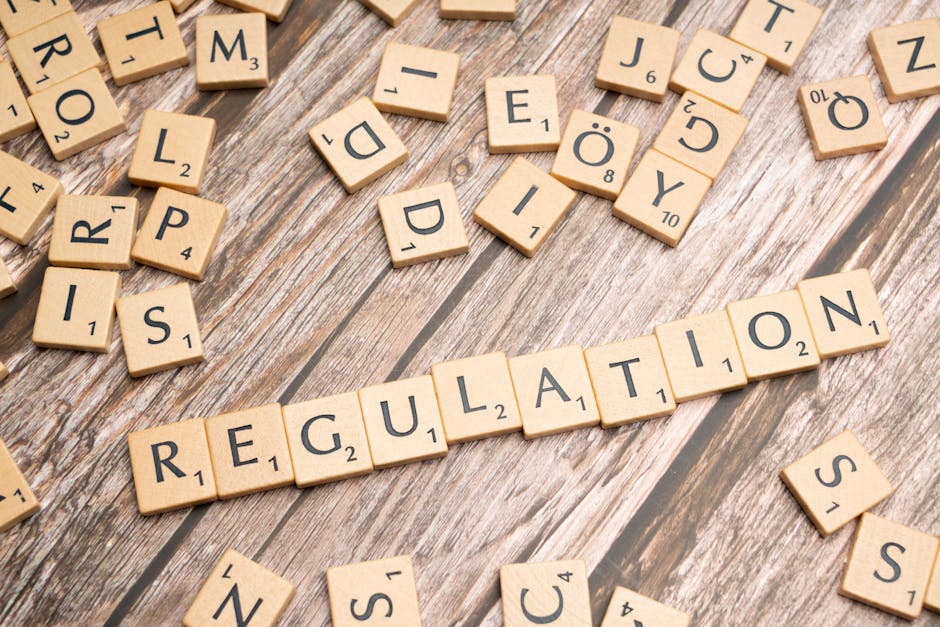
Photo by Markus Winkler on Pexels
Social regulation focuses on protecting public health, safety, and welfare. This is where you see rules about product safety, workplace conditions, and environmental protection.
- Example: Food and Drug Administration (FDA) regulations on the content and labeling of food products.
C. Administrative Regulation

Photo by Markus Spiske on Pexels
This deals with the administrative procedures and processes that businesses must follow, such as obtaining licenses, permits, and filing reports. It ensures transparency and accountability.
- Example: Regulations requiring businesses to register with state authorities and file annual reports.
The approach to regulation can also vary. Some regulations are prescriptive, telling you exactly what you must do (e.g., "install fire extinguishers every X feet"). Others are performance-based, setting a goal but letting you figure out how to achieve it (e.g., "reduce emissions by X percent").
Here’s a simplified look at how a regulatory issue often develops and impacts businesses:
graph TD
    A["Societal Problem/Need (e.g., Pollution, Unsafe Products)"] --> B["Public/Interest Group Pressure"];
    B --> C["Government Response (e.g., Research, Hearings)"];
    C --> D["New Law/Regulation Proposed & Enacted"];
    D --> E["Regulatory Body (e.g., EPA, OSHA) Formed/Empowered"];
    E --> F{"Regulatory Body Issues Detailed Rules/Guidance"};
    F --> G["Businesses Comply (or face Penalties)"];
    G --> H["Societal Impact Achieved (hopefully!)"];
    H --> I["Periodic Review & Adjustment"];
    I --> F;
D. Compliance and Enforcement

Photo by Markus Winkler on Pexels
Compliance means adhering to the rules. It's not just about avoiding penalties; it's about maintaining your reputation, operating ethically, and often, gaining a competitive edge by meeting high standards.
Enforcement is how regulatory bodies ensure compliance. This can involve inspections, investigations, and punishments ranging from fines and injunctions to license revocation or even criminal charges for severe violations.
E. Costs and Benefits of Regulation
Regulations aren't free. There are direct costs (like fees for licenses, equipment upgrades to meet standards) and indirect costs (like administrative burden, reduced innovation if rules are too rigid). However, the benefits are huge: safer products, cleaner environment, fair markets, employee protection, and increased public trust. Finding the right balance is an ongoing challenge for policymakers.
3. Worked Example
Imagine you're starting a small food delivery service. Here’s how business regulations would quickly come into play:
- Business Registration: You'd need to register your business name with the state (e.g., Secretary of State) and get an Employer Identification Number (EIN) from the IRS. This is administrative regulation.
- Health and Safety: Your kitchen and storage facilities would need to meet strict local health department codes regarding cleanliness, temperature control, pest management, and food handling. Your delivery drivers would also need to adhere to food safety protocols. This is social regulation.
- Labor Laws: If you hire employees, you'd need to comply with minimum wage laws, overtime rules, workplace safety standards (OSHA), and ensure proper tax withholdings. This is also social regulation.
- Vehicular Regulations: Your delivery vehicles (whether owned or driver-owned) must meet safety standards, be properly insured, and drivers need valid licenses.
- Data Privacy: If you collect customer data (names, addresses, payment info), you'll need to comply with data protection laws (e.g., GDPR if operating internationally, or state-specific privacy laws) to secure that information.
Failing to comply with any of these could lead to fines, operational shutdowns, or damage to your brand's reputation.
4. Key Takeaways
- Business regulation sets essential rules to balance business freedom with public welfare.
- Regulations protect consumers, employees, and the environment while promoting fair markets.
- Economic, social, and administrative regulations cover different aspects of business operations.
- Compliance is crucial not just to avoid penalties but also to build trust and operate ethically.
- Regulations have both compliance costs and significant societal benefits that businesses leverage.
Common Mistakes to Avoid:
* Ignoring regulations until a problem arises; proactive compliance is always better.
* Assuming "common sense" is enough; regulations are specific and detailed.
* Thinking regulations only apply to large corporations; they affect businesses of all sizes.
* Viewing regulation purely as a burden instead of a framework for responsible operation.
5. Now Try It
Choose a local business you frequent (e.g., a restaurant, barbershop, car repair shop). Spend 15 minutes thinking about at least three different types of regulations that business likely has to comply with. For each, consider which regulatory body might enforce it and what impact that regulation has on their operations and consumers.
What success looks like: You can identify specific regulations (e.g., food safety, employee licensing, environmental waste disposal) and briefly explain why they exist for that particular business.
Frequently asked about Foundations of Business Regulation
Study this next
Get the full Business Management curriculum
Clone the complete plan to your dashboard for unlimited AI-generated notes, practice quizzes, and a personalised revision schedule.
Save this course free