Marketing and Customer Focus
From the business curriculum
TL;DR
Marketing is all about understanding what your customers need and want, then creating and delivering value to meet those needs. A strong customer focus means putting the customer at the center of every business decision, from product development to service delivery. This approach helps build lasting relationships and drives business success.
1. The Mental Model
Think of marketing as a conversation between your business and your customers. Your business listens to what customers say and need, then responds by offering solutions and experiences that truly help them. It's about building a relationship, not just making a sale.
2. The Core Material
Marketing and customer focus are intertwined because effective marketing requires a deep understanding of the customer. You can't market well if you don't know who you're talking to or what they care about.
What is Marketing?

Photo by Walls.io on Pexels
At its core, marketing is the process of creating, communicating, delivering, and exchanging offerings that have value for customers, clients, partners, and society at large. It's much broader than just advertising. It involves:
- Understanding customer needs: Researching what problems people have, what they aspire to, and how they make purchasing decisions.
- Developing products/services: Designing offerings that directly address those identified needs.
- Pricing: Setting prices that reflect value to the customer and profitability for the business.
- Promotion: Communicating the value of your offerings to your target audience. This includes advertising, public relations, social media, and sales promotions.
- Place (Distribution): Making sure your products or services are available where and when customers want them.
The Marketing Mix (4 Ps)

Photo by Maurício Mascaro on Pexels
The Marketing Mix, often called the 4 Ps, is a foundational concept. These are the tools you can use to deliver value to customers.
- Product: What are you offering? This includes not just the physical good or service, but also its features, quality, branding, and packaging. Does it solve a customer problem?
- Price: How much does it cost? This isn't just a number; it reflects the perceived value, your costs, and competitor pricing. Is it affordable and fair, while also profitable?
- Promotion: How do you tell people about it? This covers advertising, personal selling, sales promotions, public relations, direct marketing, and digital marketing. How do you communicate its benefits?
- Place: Where and how do customers get it? This includes distribution channels, inventory, logistics, and supply chain management. Is it easy for customers to access?
Customer Focus
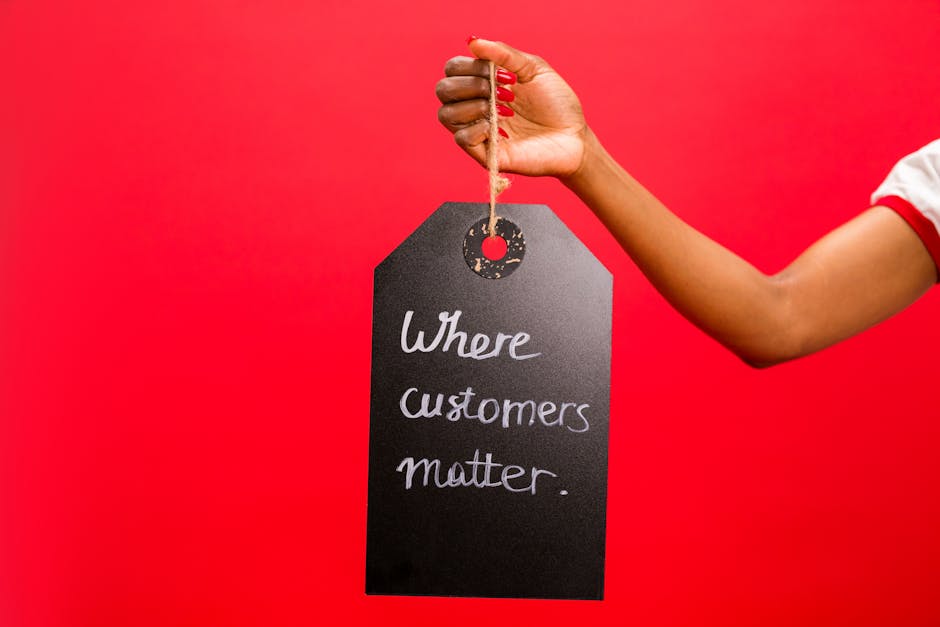
Photo by RDNE Stock project on Pexels
A customer-focused business prioritizes understanding and meeting customer needs and expectations in all its operations. This means:
- Customer Insight: Continuously gathering data and feedback to truly know your customers. What are their demographics, psychographics (values, attitudes, lifestyles), behaviors, and pain points?
- Value Creation: Developing products, services, and experiences that genuinely solve customer problems or fulfill their desires.
- Customer Experience (CX): Ensuring every interaction a customer has with your business is positive, seamless, and satisfying, from their first contact to after-sale support.
- Relationship Building: Moving beyond transactional sales to foster long-term loyalty and advocacy.
Here’s how these elements typically flow in a business setting:
graph TD
    A["Understand Customer Needs & Market"] --> B["Develop Value Proposition (Product/Service)"]
    B --> C["Set Pricing Strategy"]
    B --> D["Plan Distribution (Place)"]
    B --> E["Design Promotion & Communication"]
    C --> F["Deliver to Customer (CX)"]
    D --> F
    E --> F
    F --> G["Gather Feedback & Insights"]
    G --> A
Segmentation, Targeting, and Positioning (STP)
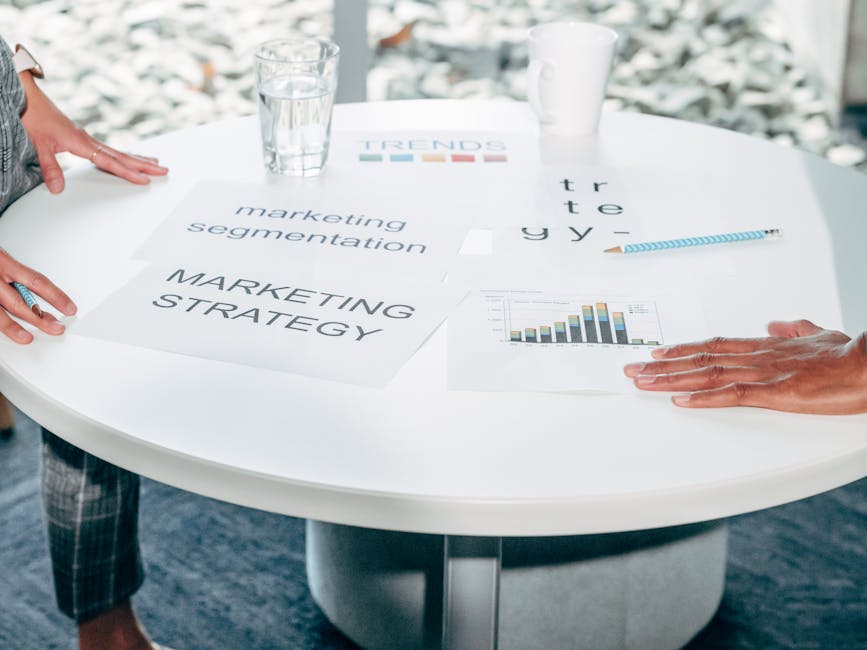
Photo by Kindel Media on Pexels
These are critical steps in applying customer focus to marketing strategy:
- Segmentation: Dividing a broad market into smaller groups of consumers who have similar needs, characteristics, or behaviors. For example, dividing a clothing market into segments like "young professionals," "eco-conscious consumers," or "parents buying for kids."
- Targeting: Choosing which of these segments your business will focus on. You can't serve everyone perfectly, so you pick the segments where you can create the most value and achieve profitability.
- Positioning: Creating a clear, distinct, and desirable place for your product or brand in the minds of your target customers relative to competing products. This is about how you want customers to perceive your offering. For example, a car might be positioned as "safe and reliable" or "luxurious and sporty."
3. Worked Example
Let's imagine you own a small coffee shop, "Brew & Bloom."
- Understand Customer Needs: You notice many customers in the morning are office workers on their way to jobs, looking for quick service and good coffee. In the afternoon, students from a nearby campus visit, often staying longer, needing Wi-Fi and comfortable seating.
- Segmentation:
- Segment 1 (Morning Rush): Office workers (value speed, quality coffee, consistent routine).
- Segment 2 (Afternoon Lounge): Students (value affordable prices, Wi-Fi, comfortable seating, space to study).
- Targeting: You decide to target both segments, but with different approaches.
- Positioning:
- For Segment 1: "Brew & Bloom: Your fast, high-quality coffee stop for a perfect start to your workday."
- For Segment 2: "Brew & Bloom: Your cozy campus spot for great coffee, study, and connection."
- Marketing Mix (applying to each segment):
- Product:
- Morning: Focus on premium espresso drinks, quick breakfast pastries.
- Afternoon: Offer value bundles (coffee + snack), more specialty teas, maybe even some vegan options.
- Price:
- Morning: Standard competitive pricing for premium coffee.
- Afternoon: Student discount for bundles, loyalty card for repeat visits.
- Promotion:
- Morning: "Morning Boost" deals, quick social media posts showing speed.
- Afternoon: "Study Session" flyers on campus, Wi-Fi password prominently displayed, social media posts highlighting comfortable seating.
- Place:
- Morning: Efficient ordering system, pre-order app option, clear pickup area.
- Afternoon: More visible comfortable seating, accessible power outlets.
- Product:
- Customer Focus: You train your staff to recognize morning regulars for faster service and ensure afternoon staff know the Wi-Fi details and maintain a relaxed atmosphere. You gather feedback via comment cards and online reviews to continually adjust your offerings for each segment.
4. Key Takeaways
- Marketing is about creating, communicating, delivering, and exchanging value with customers.
- A strong customer focus means putting the customer's needs and experiences first in all business decisions.
- The 4 Ps (Product, Price, Promotion, Place) are your core tools for delivering value to your target market.
- Segmentation helps you divide a broad market into manageable groups with similar needs.
- Targeting involves selecting the most attractive segments to serve effectively.
- Positioning is how you want your offering to be perceived in the minds of your chosen customers.
- Customer experience is crucial for building loyalty and positive word-of-mouth.
Common Mistakes to Avoid:
- Ignoring customer feedback: Not listening to what your customers are telling you, directly or indirectly.
- "One size fits all" marketing: Assuming all customers are the same and trying to appeal to everyone with a single message.
- Focusing only on sales, not value: Pushing products without genuinely understanding how they benefit the customer.
- Forgetting about "Place": Having a great product but making it difficult for customers to get their hands on it.
5. Now Try It
Think about a product or service you use regularly (e.g., your mobile phone plan, a specific app, a local restaurant). Spend 15 minutes to:
- Identify the target customer(s) for this product/service. Who are they? What needs or problems does it solve for them?
- Describe how it is positioned in your mind. What makes it stand out compared to competitors?
- Briefly outline one element of its 4 Ps marketing mix. For example, how does its pricing strategy appeal to its target customer, or what kind of promotion do you see for it?
Success looks like clearly articulating who the product/service is for, how it tries to be seen, and giving a specific example of one marketing mix element in action.
Frequently asked about Marketing and Customer Focus
Study this next
Get the full business curriculum
Clone the complete plan to your dashboard for unlimited AI-generated notes, practice quizzes, and a personalised revision schedule.
Save this course free