Comparative Analysis: Cell Wall vs. Cell Membrane
From the Pharmacy curriculum
TL;DR
The cell wall provides structural support and protection primarily in plants, fungi, and bacteria, while the cell membrane acts as a selective barrier in all cells. They differ significantly in composition, flexibility, and permeability, reflecting their distinct roles in cell survival. Understanding these differences is crucial for drug development, especially for targeting microbial pathogens.
1. The Mental Model
Think of a cell wall as a rigid outer shield, like armor, found mainly in plants and bacteria, offering protection and shape. The cell membrane, however, is a flexible, active gatekeeper, controlling what enters and exits all cells, including our own.
2. The Core Material
You're often asked to compare the cell wall and cell membrane, especially in the context of drug actions. Let's break down their key features.
Cell Wall: The Outer Fortification
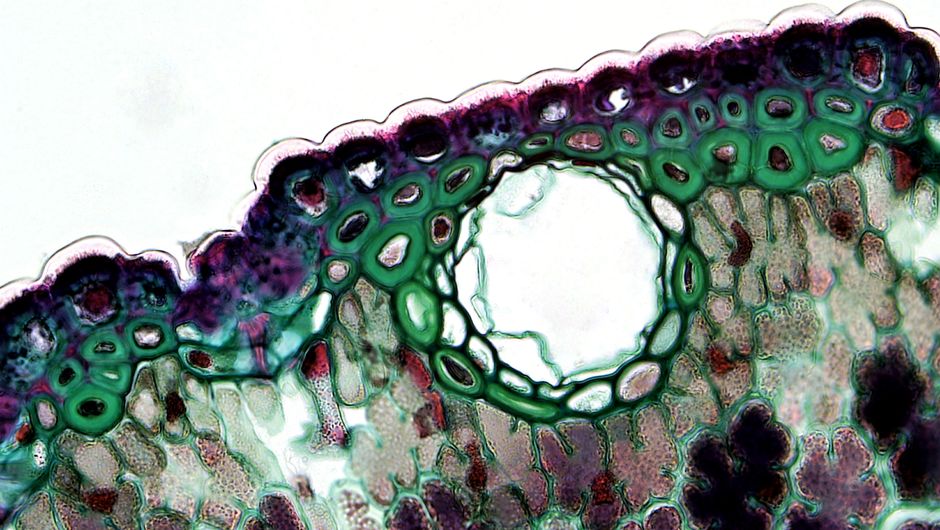
Photo by Fayette Reynolds M.S. on Pexels
The cell wall is an extracellular layer found outside the cell membrane in plants, fungi, bacteria, and algae. Animal cells do not have cell walls. Its primary functions are:
* Structural Support: Maintains cell shape and prevents excessive water uptake (osmotic lysis).
* Protection: Acts as a physical barrier against external stressors and pathogens.
Its composition varies greatly depending on the organism:
* Plants: Primarily composed of cellulose (a polysaccharide).
* Fungi: Main component is chitin (another polysaccharide, also found in insect exoskeletons).
* Bacteria: Composed of peptidoglycan (also known as murein), a unique polymer of sugars and amino acids. This is a key target for many antibiotics!
The cell wall is generally fully permeable to water and small solutes, meaning it doesn't regulate what goes in or out, but rather offers a protective cage.
Cell Membrane: The Dynamic Gatekeeper

Photo by Monstera Production on Pexels
The cell membrane (also called the plasma membrane) is an essential component of all cells – prokaryotic and eukaryotic, including human cells. It's a thin, flexible barrier that surrounds the cytoplasm. Its crucial functions include:
* Selective Permeability: Controls the passage of substances into and out of the cell. This is its most vital role.
* Cell Signaling: Contains receptors that detect external signals.
* Adhesion: Allows cells to stick together in tissues.
* Energy Production: In some cells (e.g., bacteria), it's involved in ATP synthesis.
The cell membrane's structure is a fluid mosaic model, primarily composed of:
* Phospholipid Bilayer: A double layer of phospholipids with hydrophilic heads (water-loving) facing outwards and hydrophobic tails (water-fearing) facing inwards. This forms the basic barrier.
* Proteins: Embedded within or spanning the bilayer, performing various functions like transport, signaling, and enzymatic activity.
* Cholesterol: (In animal cells) Helps regulate membrane fluidity.
* Carbohydrates: (Attached to lipids or proteins) Involved in cell recognition.
The cell membrane is selectively permeable or semi-permeable, meaning it actively chooses what can pass through, often requiring transport proteins for specific molecules.
Here's a visual comparison:
graph TD
    A["Cell Wall"] --> B{"Composition"}
    B --> B1["Plants: Cellulose"]
    B --> B2["Fungi: Chitin"]
    B --> B3["Bacteria: Peptidoglycan"]
    A --> C{"Location"}
    C --> C1["Outside cell membrane"]
    A --> D{"Permeability"}
    D --> D1["Fully Permeable (to small molecules)"]
    A --> E{"Function"}
    E --> E1["Structural Support"]
    E --> E2["Protection (Osmotic lysis, physical stress)"]
    E --> E3["Shape Maintenance"]

    X["Cell Membrane"] --> Y{"Composition"}
    Y --> Y1["Phospholipid Bilayer"]
    Y --> Y2["Proteins (integral, peripheral)"]
    Y --> Y3["Cholesterol (animals)"]
    Y --> Y4["Carbohydrates (glycolipids, glycoproteins)"]
    X --> Z{"Location"}
    Z --> Z1["Surrounds cytoplasm (all cells)"]
    X --> W{"Permeability"}
    W --> W1["Selectively Permeable"]
    X --> V{"Function"}
    V --> V1["Regulates substance passage"]
    V --> V2["Cell signaling"]
    V --> V3["Cell adhesion"]
    V --> V4["Energy production (in some)"]
Pharmaceutical Relevance
Photo by freestocks.org on Pexels
For a pharmacy student, these differences are critical:
* Antibiotics: Many antibiotics (e.g., penicillin, cephalosporins) target bacterial cell wall synthesis (peptidoglycan). Since human cells lack cell walls, these drugs have selective toxicity, harming bacteria without significantly affecting our cells.
* Antifungals: Some antifungals target fungal cell wall components (e.g., chitin synthesis inhibitors, though less common as primary targets) or disrupt fungal cell membranes (e.g., amphotericin B, azoles, which target ergosterol unique to fungal membranes).
* Drug Delivery: Understanding membrane permeability is crucial for designing drugs that can cross cell membranes to reach their intracellular targets. Factors like lipophilicity (fat-solubility) and molecular size are key.
3. Worked Example
Let's consider two common drugs: Penicillin G and Amphotericin B.
Scenario: You have a patient with a bacterial infection and another with a fungal infection.
-
Penicillin G (antibiotic): This drug inhibits the transpeptidase enzymes (often called penicillin-binding proteins, PBPs) responsible for cross-linking peptidoglycan chains in the bacterial cell wall. By blocking this step, the cell wall becomes weak and cannot withstand the internal osmotic pressure, leading to bacterial lysis and death. This is effective because human cells don't have peptidoglycan walls, making penicillin selectively toxic to bacteria.
-
Amphotericin B (antifungal): This drug targets the fungal cell membrane. Fungal cell membranes contain ergosterol, a sterol structurally similar to cholesterol in animal cell membranes but distinct enough to be a target. Amphotericin B binds to ergosterol, forming pores or channels in the fungal cell membrane. These pores allow essential ions (like potassium) to leak out of the fungal cell and other substances to leak in, disrupting membrane integrity and leading to fungal cell death. While effective, Amphotericin B can also bind to cholesterol in human cell membranes to some extent, explaining its potential for significant side effects like kidney toxicity.
These examples highlight how differences in cell wall and cell membrane composition and structure are directly exploited by pharmaceuticals.
4. Key Takeaways
- The cell wall is a rigid, protective outer layer primarily in plants, fungi, and bacteria, absent in animal cells.
- The cell membrane is a flexible, selectively permeable barrier found in all cells.
- Cell wall composition varies significantly: cellulose (plants), chitin (fungi), peptidoglycan (bacteria).
- Cell membrane composition is a phospholipid bilayer with embedded proteins, cholesterol, and carbohydrates.
- The cell wall is generally fully permeable, while the cell membrane is selectively permeable, regulating transport.
- Antibiotics like penicillin target bacterial cell walls, exploiting their unique peptidoglycan.
- Antifungals often target fungal cell membranes by interacting with ergosterol.
Common Mistakes to Avoid:
- Don't assume all cells have cell walls; animal cells definitely do not.
- Confusing the function of a protective barrier (wall) with a selective gatekeeper (membrane).
- Forgetting that the cell membrane is selectively permeable, not fully permeable.
- Misattributing the primary component of a bacterial cell wall to cellulose or chitin instead of peptidoglycan.
5. Now Try It
Imagine you're developing a new antibiotic. Outline a strategy for designing a drug that specifically targets a bacterial pathogen without harming human cells. Focus on which cellular structure you would aim for and why. What would success look like for this drug? (Spend about 15 minutes thinking about the specific components and functions you've learned).
Try it yourself: Cell membrane 3D model: the fluid mosaic model
Frequently asked about Comparative Analysis: Cell Wall vs. Cell Membrane
More from Pharmacy
Get the full Pharmacy curriculum
Clone the complete plan to your dashboard for unlimited AI-generated notes, practice quizzes, and a personalised revision schedule.
Save this course free