Mixtures and Separation Techniques
From the Matter Soild Liquid Gas Mixture and soliutions proties of matter curriculum
TL;DR
Mixtures combine different substances without chemical bonding, meaning each keeps its original properties. We can separate these mixtures using various physical techniques based on differences in their components' properties. Understanding mixture types helps you choose the right separation method.
1. The Mental Model
Imagine a fruit salad: you can easily see and pick out the different fruits. That's a mixture! Now imagine trying to separate sugar dissolved in water; it's harder, but still possible. Mixtures are like physical blends, not new chemical compounds, so we can always undo them.
2. The Core Material
When we talk about matter, it exists in different forms. One key concept is mixtures. A mixture is a substance containing two or more different substances that are physically combined but not chemically bonded. This means each substance in the mixture retains its individual chemical properties.
There are two main types of mixtures:
- Homogeneous Mixtures (Solutions): These mixtures have a uniform composition throughout. You can't see the individual components. Think of salt dissolved in water – it looks like one substance. Another example is air, which is a mixture of nitrogen, oxygen, and other gases.
- Heterogeneous Mixtures: These mixtures do not have a uniform composition. You can see the different components, or they might be visibly separate. Examples include sand and water, or a salad.
Understanding Properties for Separation
The key to separating mixtures lies in identifying differences in the physical properties of their components. These properties include:
- Particle Size: How big or small the pieces are.
- Boiling Point: The temperature at which a substance changes from liquid to gas.
- Melting Point: The temperature at which a substance changes from solid to liquid.
- Solubility: Whether a substance can dissolve in a particular solvent (like water).
- Density: How much mass is packed into a given volume (e.g., oil floats on water because it's less dense).
- Magnetism: If a substance is attracted to a magnet.
Common Separation Techniques
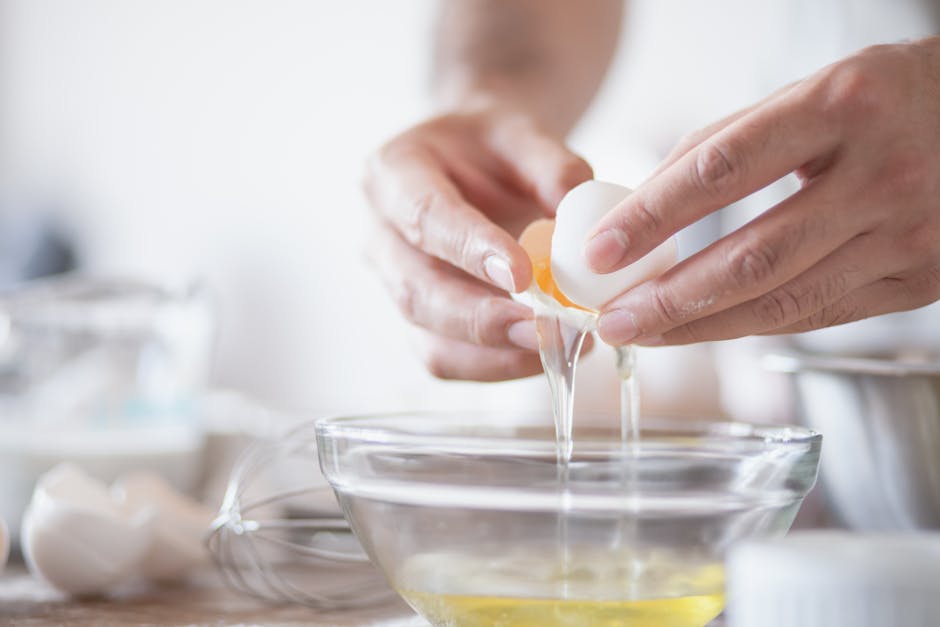
Photo by Los Muertos Crew on Pexels
Here are some common methods based on these properties:
2.1. Filtration (Based on Particle Size)
This technique separates an insoluble solid from a liquid. You pass the mixture through a filter medium (like filter paper) that has tiny pores. The liquid (filtrate) passes through, while the solid (residue) is trapped.
2.2. Decantation (Based on Density/Insolubility)
Used for separating an insoluble solid from a liquid, or two immiscible liquids (liquids that don't mix, like oil and water). You let the denser component settle to the bottom and then carefully pour off the less dense component.
2.3. Evaporation (Based on Boiling Point/Volatility)
This is used to separate a soluble solid from a liquid. You heat the solution, causing the liquid to turn into a gas and leave the solid behind. You recover the solid, but not the liquid.
2.4. Distillation (Based on Different Boiling Points)
This technique separates two or more liquids with different boiling points, or a soluble solid from a liquid when you want to recover both the solid and the liquid. You heat the mixture, the substance with the lower boiling point vaporizes, then cools and condenses back into a liquid in a separate container.
2.5. Magnetism (Based on Magnetic Properties)
If one component of a mixture is magnetic (like iron) and the others are not, you can use a magnet to pull out the magnetic material.
2.6. Chromatography (Based on Solubility/Adhesion)
A more advanced technique often used to separate different colored dyes or components in a solution. It works by allowing a mixture dissolved in a fluid (mobile phase) to flow through a stationary phase (like paper or a column). Components travel at different speeds based on how strongly they interact with the stationary phase and how soluble they are in the mobile phase, thus separating them.
2.7. Sieving (Based on Particle Size)
Similar to filtration but for larger particles. You pass a mixture of solids with different particle sizes through a sieve (a mesh screen) to separate them.
Here's a diagram showing how you might decide which separation method to use:
graph TD
    A["Mixture to Separate?"] --> B{Are components solid & liquid?};
    B -- Yes --> C{Is solid soluble?};
    C -- Yes --> D{Do you need to recover the liquid?};
    D -- Yes --> E["Distillation"];
    D -- No --> F["Evaporation"];
    C -- No --> G{Is solid dense and settles?};
    G -- Yes --> H["Decantation"];
    G -- No --> I["Filtration"];
    B -- No --> J{Are components solid & solid?};
    J -- Yes --> K{Are particles different sizes?};
    K -- Yes --> L["Sieving"];
    K -- No --> M{Is one magnetic?};
    M -- Yes --> N["Magnetism"];
    M -- No --> O{Can one dissolve in a solvent?};
    O -- Yes --> P["Dissolve, then Filter/Evaporate"];
    J -- No --> Q{Are components liquid & liquid?};
    Q -- Yes --> R{Do they mix (immiscible)?};
    R -- Yes --> S{Do they have different boiling points?};
    S -- Yes --> T["Distillation"];
    S -- No --> U["Chromatography (if applicable)"];
    R -- No --> V["Decantation"];
3. Worked Example
Let's say you have a mixture of sand, salt, and iron filings. How would you separate these three components?
- Separate Iron Filings (Magnetism): First, use a magnet to attract and remove the iron filings. Iron is magnetic, while sand and salt are not.
- Separate Sand from Salt (Solubility & Filtration):
- Add water to the remaining mixture of sand and salt. The salt will dissolve in the water (it's soluble), forming a salt solution. The sand will not dissolve (it's insoluble).
- Now you have a mixture of sand suspended in salt water. Use filtration to separate the sand. Pour the mixture through filter paper. The sand will be caught on the filter paper (residue), and the salt solution (filtrate) will pass through.
- Separate Salt from Water (Evaporation or Distillation):
- To get the salt back, you can use evaporation. Heat the salt solution. The water will evaporate, leaving the solid salt behind in the container.
- Alternatively, if you also wanted to recover the clean water, you would use distillation. Heat the salt solution, collect the steam, and condense it back into liquid water. The salt would remain in the original flask.
So, you would end up with three separate components: iron filings, sand, and salt.
4. Key Takeaways
- Mixtures are physical combinations of substances, not chemical ones, so components keep their original properties.
- Homogeneous mixtures (solutions) look uniform, while heterogeneous mixtures have visibly separate parts.
- Separation techniques exploit differences in physical properties like particle size, boiling point, solubility, density, or magnetism.
- Filtration separates insoluble solids from liquids based on particle size.
- Evaporation recovers a soluble solid from a liquid, but not the liquid itself.
- Distillation recovers both a soluble solid and liquid, or separates liquids with different boiling points.
- Always choose the separation method that best targets the unique property differences of the mixture's components.
Common Mistakes to Avoid:
- Trying to filter a dissolved substance; it will pass through the filter paper.
- Using evaporation when you need to recover the liquid component; distillation is required for that.
- Not considering all components in a multi-component mixture when planning your separation steps.
- Confusing a mixture with a chemical compound, which requires chemical reactions to separate its elements.
5. Now Try It
Imagine you have a dirty sample of sugar that has small pieces of wood mixed in, and it's also wet with muddy water. Design a step-by-step plan to get clean, dry sugar. For each step, state the technique you'd use and explain why it works based on the properties of the substances involved. Think about the order of operations – what makes sense to do first? What does success look like at the end of each step?
Frequently asked about Mixtures and Separation Techniques
Study this next
Get the full Matter Soild Liquid Gas Mixture and soliutions proties of matter curriculum
Clone the complete plan to your dashboard for unlimited AI-generated notes, practice quizzes, and a personalised revision schedule.
Save this course free