Contemporary Interpretations and Applications
From the https://en.wikipedia.org/wiki/Ship_of_Theseus curriculum
TL;DR
The Ship of Theseus paradox, which questions identity through change, is highly relevant today across various fields. It helps us understand how things like personal identity, brands, or software evolve while still being considered "the same." By looking at how components are replaced, we can apply this ancient thought experiment to modern concepts.
1. The Mental Model
Imagine your favorite band. Members change, their sound evolves, but is it still the "same" band? This is the core idea: when parts of something are replaced over time, at what point does it stop being the original thing?
2. The Core Material
The Ship of Theseus paradox asks if a ship, which has had all its wooden planks replaced one by one, remains the "same" ship. And what if the old planks are then used to build a new ship – which one is the "real" Ship of Theseus? This isn't just a philosophical riddle; it applies to many modern scenarios where identity, change, and continuity are at play.
Personal Identity
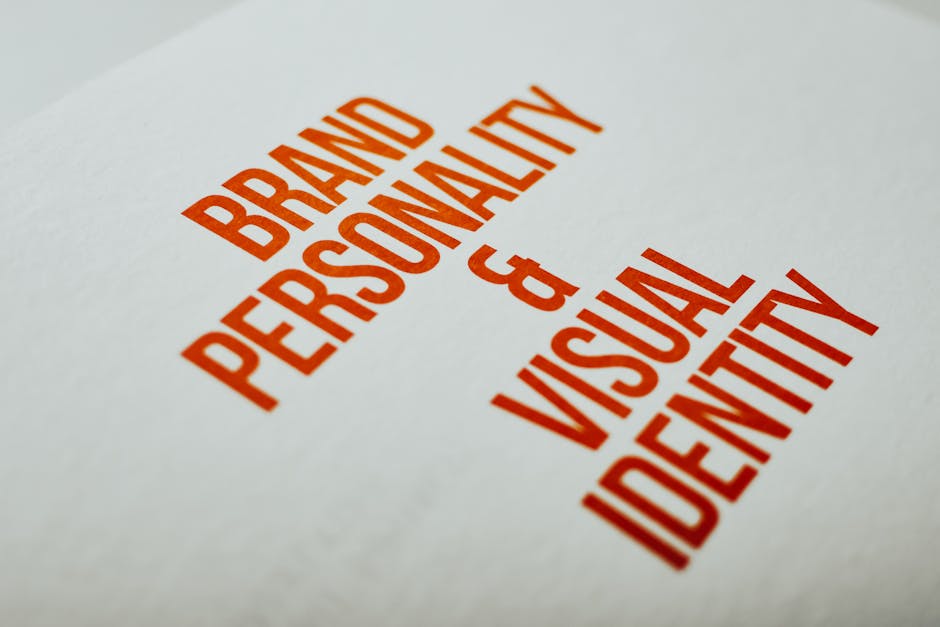
Photo by Eva Bronzini on Pexels
How do you remain "you" throughout your life? Your cells constantly regenerate, your memories change, and your personality develops. Yet, we usually feel like the same person from childhood to old age. This relates to theories like John Locke's view on psychological continuity, where memory and consciousness link past and present selves, rather than just physical matter.
Brands and Companies

Photo by Walls.io on Pexels
Consider a long-standing company. Its founders are gone, its products have changed dramatically, and its workforce is completely different. Is it still the "same" company? Think of a classic car brand that now produces electric vehicles. The name and legacy continue, even if the underlying technology and components are entirely new. The identity isn't just about the physical parts, but also the brand values, reputation, and customer perception.
Software and Technology
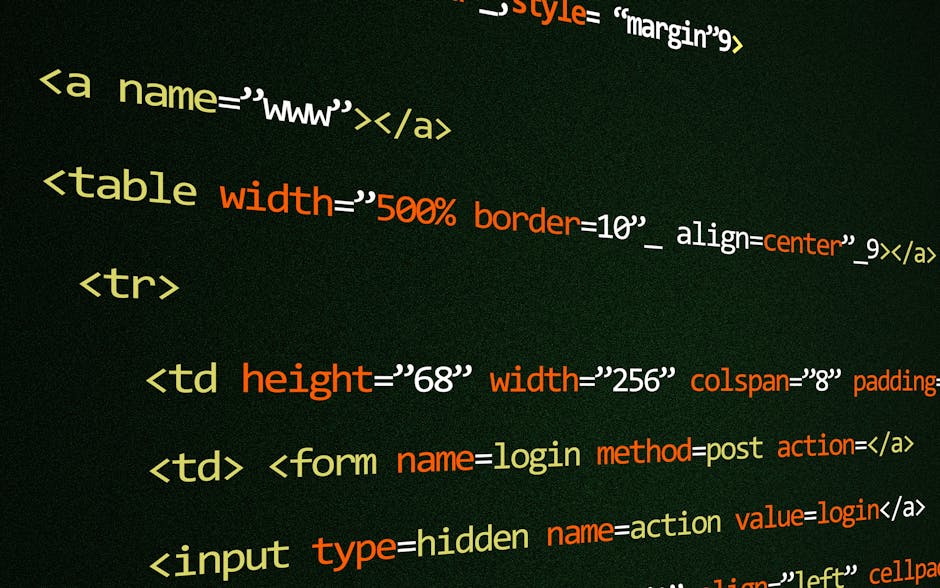
Photo by Pixabay on Pexels
Software is a great modern example. Programs are constantly updated, patched, and rewritten. A piece of software from 20 years ago, even if it performs the same function, likely shares very little of its original code. Yet, we still refer to "Microsoft Word" or "Adobe Photoshop" as the same applications. This continuity often relies on the functionality or the user experience remaining consistent, rather than the underlying code.
graph TD
    A["Original Entity (e.g., Ship, Person, Software)"] --> B{Component Replacement Cycle Starts}
    B --> C{"Is a Component Replaced?"}
    C -- Yes --> D["New Component Integrated"]
    D --> E{Threshold Reached?}
    E -- No --> C
    E -- Yes --> F{"Entity Identity Questioned"}
    F --> G1["Still the Same Entity (e.g., by Function, Name, Memory)"]
    F --> G2["New Entity (e.g., by Physicality, Complete Change)"]
    C -- No --> G1
Legal and Ownership Contexts

Photo by Markus Spiske on Pexels
In legal terms, identity is crucial. If a house is extensively renovated, adding new rooms and replacing all structural elements, is it legally the same property? This can affect zoning, historical preservation, or ownership rights. Courts often look at the intent of the changes and the continuity of purpose rather than just physical composition.
Art and Restoration
When a famous painting is painstakingly restored, with old pigments replaced and damaged areas repainted, is it still the artist's original work? Art conservationists debate how much intervention changes the identity of a piece. The "aura" of the original often plays a significant role in its perceived identity and value.
3. Worked Example
Let's take a common application: a website.
Imagine a popular social media platform launched in 2005.
- Initial State (2005): Basic features, specific codebase, limited server infrastructure, small team.
- Changes Over Time:
- Servers are regularly upgraded and replaced with newer hardware (physical components).
- The entire codebase is refactored multiple times, adding new features, improving performance, and rewriting old sections (functional components/structure).
- The user interface (UI) and user experience (UX) are completely redesigned several times (aesthetic/interaction components).
- The original founders and most early employees leave, replaced by new leadership and a vastly larger workforce (human components).
- Today (2024): The platform looks and functions dramatically differently. Almost none of the original code, servers, or even people remain.
The Question: Is this 2024 platform the "same" social media platform as the one launched in 2005?
- Perspective 1 (It is the same): Users still interact with it under the same brand name, its core function (connecting people) persists, and there's a continuous line of development and ownership. Its identity is maintained through its brand, user base, and evolving functionality.
- Perspective 2 (It is not the same): Physically and functionally, almost everything has been replaced. It's a completely different technological entity. If you compare the original binary code to today's, they'd be entirely distinct.
This example highlights that contemporary interpretations often define identity not just by physical parts, but by continuous function, brand, purpose, or user perception.
4. Key Takeaways
- The Ship of Theseus helps us understand how identity persists or changes despite continuous component replacement.
- Modern interpretations often look beyond physical matter, considering factors like function, brand, memory, or purpose.
- Personal identity relates to psychological continuity, like memories and consciousness, rather than just cellular makeup.
- Companies and brands maintain identity through their name, reputation, and evolving mission, even with staff and product changes.
- Software identity often hinges on consistent functionality and user experience, despite entirely rewritten codebases.
- Legal and artistic contexts assess identity based on intent, continuity of purpose, or historical significance.
Common Mistakes to Avoid:
- Assuming identity is purely physical: Don't forget non-physical aspects like brand, function, or psychological continuity.
- Ignoring the "reconstruction" paradox: Sometimes, collecting the old parts creates a new "original" that complicates things.
- Applying a single "rule": Identity isn't always defined by one criterion; it's often a combination of factors.
- Forgetting context: The definition of "same" can change dramatically depending on whether you're talking about law, philosophy, or software.
5. Now Try It
Think about a product or service you use regularly that has existed for a long time (e.g., your smartphone, a favorite app, a specific car model, a long-running TV show). Spend 15 minutes considering how the Ship of Theseus paradox applies to its identity.
- List 3-5 ways its components (physical, software, conceptual, human) have changed or been replaced over time.
- Formulate an argument for why you believe it is still the "same" product/service.
- Formulate a counter-argument for why it could be considered a "different" product/service.
Success looks like clearly articulating both sides of the identity argument for your chosen example, using specific changes to support your points.
Frequently asked about Contemporary Interpretations and Applications
Study this next
Get the full https://en.wikipedia.org/wiki/Ship_of_Theseus curriculum
Clone the complete plan to your dashboard for unlimited AI-generated notes, practice quizzes, and a personalised revision schedule.
Save this course free