The Innate Immune System: Non-specific Defenses
From the The Immune System curriculum
TL;DR
The innate immune system is your body's first and fastest defense against invaders, acting immediately and non-specifically. It includes physical barriers like skin, chemical defenses like stomach acid, and internal cellular responses that attack anything recognized as foreign. This system doesn't "remember" past infections but provides essential, immediate protection.
1. The Mental Model
Think of your innate immune system as your body's initial, always-on security system. It doesn't ask "who are you?" but rather "are you supposed to be here?". If something looks out of place, it reacts quickly and decisively to remove the threat.
2. The Core Material
Your innate immune system is a collection of immediate, general defenses that protect you from pathogens (like bacteria, viruses, and fungi). It's called non-specific because it responds in the same way to a wide variety of threats, rather than tailoring its attack to a particular invader. These defenses are always active or can be rapidly mobilized, providing a critical first line of protection.
2.1 Physical Barriers
These are your body's walls and gates, preventing pathogens from entering in the first place.
- Skin: Your outermost layer is a tough, continuous barrier. Intact skin is incredibly difficult for most pathogens to penetrate. It also has a slightly acidic pH, which discourages microbial growth.
- Mucous Membranes: These line your respiratory, digestive, urinary, and reproductive tracts. They produce mucus, a sticky substance that traps pathogens.
- In the respiratory tract, tiny hair-like structures called cilia constantly sweep this mucus (and trapped invaders) upwards towards your throat, where it can be swallowed or expelled. This is often called the mucociliary escalator.
- Hair: Acts as a physical filter, especially in your nose.
2.2 Chemical Defenses
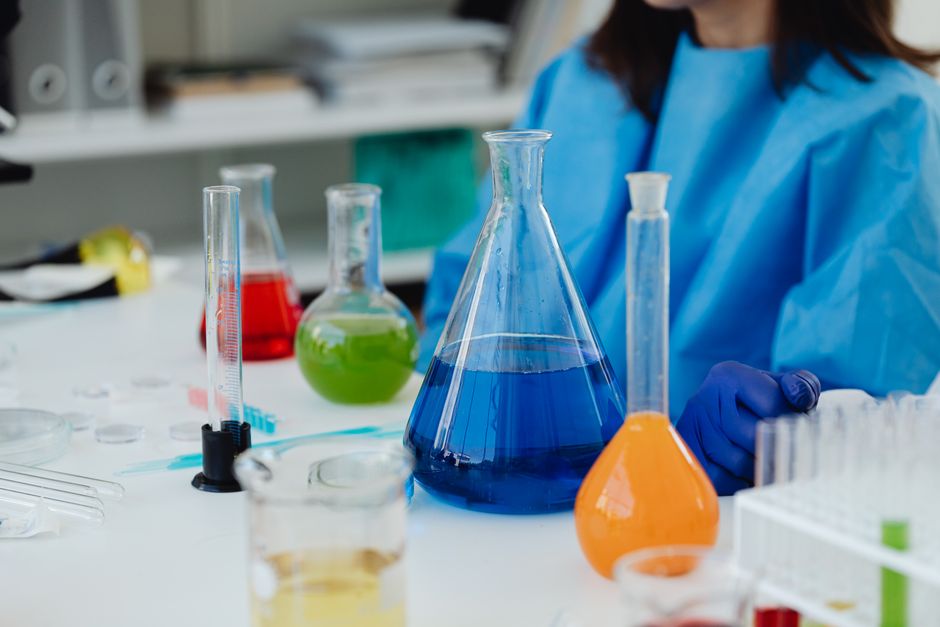
Photo by https://kaboompics.com/ on Pexels
These are the "chemical weapons" your body uses to kill or disable invaders.
- Stomach Acid: The very low pH (highly acidic) environment in your stomach kills most microbes you might swallow with food or water.
- Lysozyme: An enzyme found in tears, saliva, and mucus. It breaks down the cell walls of many bacteria, effectively destroying them.
- Defensins: Small proteins produced by immune cells and epithelial cells (like those lining your skin and gut). They create pores in microbial membranes, killing them.
- Sebum and Sweat: Produced by your skin, they create a slightly acidic environment and contain antimicrobial substances.
2.3 Cellular Defenses

Photo by Marek Piwnicki on Pexels
If pathogens manage to breach your physical and chemical barriers, your innate immune system has specialized cells ready to fight.
- Phagocytes: These are "eating cells" that engulf and digest pathogens.
- Macrophages: Large phagocytes that patrol tissues, engulfing debris and pathogens. They can also present parts of the pathogens to adaptive immune cells (a bridge to the next level of immunity).
- Neutrophils: The most abundant type of white blood cell. They are usually the first responders to an infection, rapidly migrating to the site and engulfing pathogens. They are short-lived but highly effective.
- Natural Killer (NK) Cells: These cells don't target specific pathogens. Instead, they recognize and kill cells that are infected with viruses or have become cancerous. They do this by detecting changes on the surface of these abnormal cells.
- Dendritic Cells: While also phagocytic, their main role is to act as "messengers." They capture antigens (parts of pathogens) and "present" them to the adaptive immune system, initiating a more specific and powerful response.
2.4 Inflammatory Response
This is a localized reaction to tissue injury or infection. It's designed to bring immune cells and molecules to the affected area, contain the infection, and promote healing.
- Signs: Redness, heat, swelling, and pain.
- Process:
- Tissue injury or infection occurs.
- Damaged cells release chemical signals (like histamine).
- These chemicals cause blood vessels to dilate (widen), increasing blood flow to the area (causing redness and heat).
- Blood vessels also become more permeable, allowing fluid and immune cells (like neutrophils and macrophages) to leak out into the tissue (causing swelling).
- Phagocytes then engulf pathogens and cellular debris.
- The swelling and chemicals irritate nerve endings, causing pain.
2.5 Fever
A systemic (body-wide) response to infection.
* Mechanism: Certain immune cells release chemicals called pyrogens that travel to the brain's hypothalamus, which then resets your body's thermostat to a higher temperature.
* Benefits: A higher body temperature can:
* Inhibit the growth of some pathogens.
* Speed up metabolic processes, enhancing immune cell activity and tissue repair.
Here's a simplified flow of how physical, chemical, and cellular defenses interact:
graph TD
    A["Pathogen Encounter"] --> B{Physical Barriers: Skin, Mucus, Cilia};
    B -- Invader Blocked --> Z[Threat Neutralized];
    B -- Invader Enters --> C{Chemical Defenses: Acid, Lysozyme, Defensins};
    C -- Invader Killed --> Z;
    C -- Invader Survives --> D{Cellular Defenses: Phagocytes, NK Cells};
    D -- Invader Engulfed/Killed --> E[Inflammation Triggered];
    E --> F["Increased Blood Flow & Permeability"];
    F --> G["Recruitment of More Immune Cells"];
    G -- Pathogen Cleared --> H[Tissue Repair];
    D -- Infection Spreads --> I{Systemic Response: Fever};
    I --> J["Inhibited Pathogen Growth & Enhanced Immune Activity"];
    J --> H;
3. Worked Example
Imagine you accidentally cut your finger while chopping vegetables.
- Physical Barrier Breach: The knife breaks your skin (physical barrier).
- Pathogen Entry: Bacteria from the knife or your skin enter the wound.
- Local Response (Inflammation):
- Damaged cells and bacteria trigger the release of chemicals like histamine.
- Blood vessels near the cut dilate, bringing more blood (redness, warmth) and making them leaky.
- Fluid leaks out, causing swelling.
- Neutrophils (phagocytes) quickly arrive, squeezing out of the leaky vessels and migrating to the wound. They start engulfing bacteria.
- Macrophages also arrive later to clean up remaining bacteria and dead cells.
- Pain: The swelling and chemicals irritate nerve endings, causing you to feel pain. This encourages you to protect the injured area.
- Healing: As bacteria are cleared, the inflammatory response subsides, and tissue repair begins.
4. Key Takeaways
- The innate immune system is your body's immediate, non-specific line of defense.
- It relies on physical barriers (skin, mucous membranes), chemical defenses (stomach acid, lysozyme), and various immune cells.
- Phagocytes like neutrophils and macrophages "eat" invaders, while NK cells kill infected or cancerous cells.
- The inflammatory response is a crucial local reaction that brings immune cells to an injury site.
- Fever is a systemic response that helps inhibit pathogen growth and boosts immune function.
- This system doesn't "remember" specific pathogens; its response is always the same.
Common mistakes to avoid:
- Confusing innate immunity with adaptive immunity; remember innate is non-specific and immediate.
- Underestimating the importance of physical barriers; they prevent most infections before they even start.
- Thinking inflammation is always bad; it's a vital part of the healing process.
- Believing all white blood cells are part of the innate system; some belong to the adaptive system.
5. Now Try It
Think about why a common cold virus often spreads easily despite your innate immune system. What specific parts of your innate immune system does the virus typically encounter first? How might a virus like rhinovirus (common cold) specifically try to bypass or overcome these initial defenses? Outline your thoughts in 3-4 sentences, focusing on the barriers and initial cellular responses we discussed. What success looks like is identifying at least two specific innate defenses and hypothesizing how the virus might "get around" them.
Frequently asked about The Innate Immune System: Non-specific Defenses
More from The Immune System
Get the full The Immune System curriculum
Clone the complete plan to your dashboard for unlimited AI-generated notes, practice quizzes, and a personalised revision schedule.
Save this course free