Physiological Effects and Complications of MV
From the ICU2 curriculum
TL;DR
Mechanical ventilation (MV) supports breathing but can significantly impact multiple organ systems, leading to various complications. Understanding these effects is crucial for minimizing harm and optimizing patient outcomes in the ICU. The main concerns include lung injury, cardiovascular depression, and systemic organ dysfunction.
1. The Mental Model
Think of mechanical ventilation as a double-edged sword: it provides life support, but the positive pressure and altered gas exchange can disrupt the body's delicate physiological balance, potentially causing harm beyond the initial respiratory failure.
2. The Core Material
Mechanical ventilation, while life-saving, introduces non-physiological positive pressure into the chest, reversing the normal negative pressure breathing cycle. This has widespread effects on the body.
Respiratory System Effects
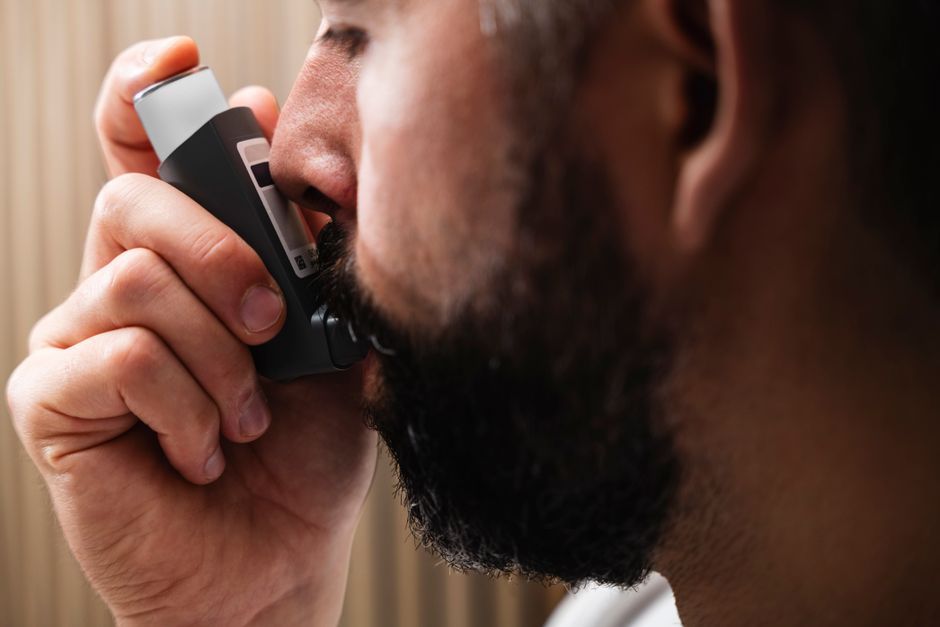
Photo by Cnordic Nordic on Pexels
The lungs are directly exposed to positive pressure ventilation, leading to potential injuries:
- Ventilator-Induced Lung Injury (VILI): This is a broad term for lung damage caused or worsened by mechanical ventilation.
- Barotrauma: Injury from excessive transpulmonary pressure, leading to pneumothorax, pneumomediastinum, or subcutaneous emphysema.
- Volutrauma: Injury from excessive tidal volumes, causing overdistention of alveoli.
- Atelectrauma: Injury from repeated opening and closing of collapsed alveoli, leading to inflammation and shear stress.
- Biotrauma: The release of inflammatory mediators from injured lung tissue, which can then spread systemically.
- Ventilator-Associated Pneumonia (VAP): Infection of the lungs that develops 48 hours or more after intubation and initiation of mechanical ventilation. This is due to compromised airway defenses, aspiration, and colonization of the upper airway and GI tract.
- Diaphragmatic Dysfunction: Prolonged MV can lead to rapid disuse atrophy and weakness of the diaphragm, making weaning difficult (ventilator-induced diaphragmatic dysfunction, VIDD).
- Oxygen Toxicity: High concentrations of inspired oxygen (FiO2 > 0.6) for prolonged periods can damage alveolar cells and compromise gas exchange.
Cardiovascular System Effects

Photo by Los Muertos Crew on Pexels
Positive intrathoracic pressure significantly impacts cardiac function:
- Decreased Venous Return: Positive pressure compresses the great veins and atria, increasing intrathoracic pressure and reducing the pressure gradient for venous blood to return to the heart. This reduces preload to the right ventricle.
- Decreased Cardiac Output: Reduced preload directly leads to decreased right ventricular stroke volume, and subsequently, decreased left ventricular filling and cardiac output. This effect is more pronounced in hypovolemic patients.
- Increased Pulmonary Vascular Resistance: High positive end-expiratory pressure (PEEP) can compress pulmonary capillaries, increasing resistance to right ventricular outflow and potentially worsening right heart failure.
- Left Ventricular Afterload: While MV can decrease left ventricular afterload by reducing the transmural pressure gradient across the left ventricle, the overall effect on cardiac output is often negative due to reduced preload.
graph TD
    A["Mechanical Ventilation (Positive Pressure)"] --> B["Increased Intrathoracic Pressure"]
    B --> C["Decreased Venous Return to Right Atrium"]
    C --> D["Decreased Right Ventricular Preload"]
    D --> E["Decreased Right Ventricular Stroke Volume"]
    E --> F["Decreased Left Ventricular Filling"]
    F --> G["Decreased Cardiac Output"]
    B --> H["Compression of Pulmonary Capillaries"]
    H --> I["Increased Pulmonary Vascular Resistance"]
    I --> J["Increased Right Ventricular Afterload"]
    J --> G
Renal System Effects

Photo by RDNE Stock project on Pexels
MV can indirectly affect kidney function:
- Decreased Renal Perfusion: Reduced cardiac output from MV directly leads to decreased blood flow to the kidneys.
- Activation of Renin-Angiotensin-Aldosterone System (RAAS): Decreased renal perfusion triggers RAAS activation, leading to fluid and sodium retention.
- Increased ADH (Antidiuretic Hormone) Release: MV can activate baroreceptors and increase sympathetic tone, leading to increased ADH release, which also promotes water retention.
Gastrointestinal System Effects
- Gastric Distention: Air can be inadvertently insufflated into the stomach, especially with non-invasive ventilation or improper mask fit.
- Stress Ulcers and GI Bleeding: Critically ill patients on MV are at increased risk for gastric mucosal ischemia and stress-related mucosal disease due to reduced splanchnic perfusion and systemic inflammation.
- Ileus and Malnutrition: Sedation and immobility associated with MV can lead to ileus. Malnutrition is common in prolonged MV, further complicating recovery.
Neurological System Effects
- Increased Intracranial Pressure (ICP): Positive intrathoracic pressure can impede venous outflow from the brain, increasing central venous pressure and subsequently ICP. This is critical in patients with pre-existing elevated ICP.
- Sedation and Delirium: Sedation is often necessary for patient comfort and ventilator synchrony but contributes to prolonged ventilation, immobility, and increased risk of delirium.
- Critical Illness Polyneuropathy/Myopathy (CIP/CIM): Prolonged critical illness, immobility, and MV can lead to muscle weakness and neurological deficits, hindering recovery and weaning.
Other Complications
- Infection: Beyond VAP, MV patients are prone to catheter-related bloodstream infections, urinary tract infections, and surgical site infections due to multiple invasive lines and suppressed immunity.
- Nutritional Deficiencies: Providing adequate nutrition is challenging and crucial.
- Psychological Impact: Patients can experience anxiety, fear, and post-traumatic stress disorder (PTSD) due to the ICU environment and their critical illness.
3. Worked Example
Imagine a patient admitted with severe pneumonia requiring mechanical ventilation. They are initially hypovolemic.
- Initial MV Settings: You start with standard volume-controlled ventilation, PEEP of 5 cmH2O, and a tidal volume of 6 mL/kg ideal body weight.
- Cardiovascular Response: Because the patient is hypovolemic, the positive pressure from MV, even with low PEEP, significantly reduces venous return. Their blood pressure starts to drop (e.g., from 100/60 mmHg to 80/40 mmHg) and heart rate increases, indicating reduced cardiac output.
- Intervention: You recognize the cardiovascular compromise. First, you assess their fluid status. Administering a fluid bolus (e.g., 500 mL of crystalloid) increases their intravascular volume, improving preload. This allows the heart to tolerate the positive intrathoracic pressure better, and their blood pressure improves. You also consider carefully titrating PEEP to the lowest effective level and ensuring appropriate sedation to minimize sympathetic stress.
- Long-term considerations: After several days, the patient remains intubated. You ensure daily assessment for VAP (e.g., monitoring for fever, rising WBC, new infiltrates), initiate stress ulcer prophylaxis, and begin early enteral nutrition to prevent GI complications and malnutrition. Regular sedation holidays are implemented to assess neurological status and facilitate delirium prevention and weaning readiness.
4. Key Takeaways
- MV significantly impacts cardiac function by decreasing venous return and cardiac output, especially in hypovolemic patients.
- Ventilator-induced lung injury (VILI) encompasses several mechanisms (barotrauma, volutrauma, atelectrauma, biotrauma) and is a primary concern.
- MV increases the risk of ventilator-associated pneumonia (VAP) due to compromised airway defenses.
- Renal function can be impaired by decreased cardiac output and activation of neurohormonal systems.
- Neurological complications include increased ICP and the risk of delirium and critical illness weakness.
- Systemic complications like GI stress ulcers and diaphragmatic dysfunction are common and require preventative strategies.
- Careful monitoring and proactive management of MV settings and patient care are essential to mitigate these complications.
5. Now Try It
You're reviewing the chart of a mechanically ventilated patient who suddenly becomes hypotensive. List three immediate physiological reasons why MV could be contributing to this hypotension. Then, suggest two interventions you'd consider before calling the physician, based on your understanding of MV's effects. What success would look like for each intervention?
Frequently asked about Physiological Effects and Complications of MV
Study this next
Get the full ICU2 curriculum
Clone the complete plan to your dashboard for unlimited AI-generated notes, practice quizzes, and a personalised revision schedule.
Save this course free