The Carbon Cycle: Decomposition and Fossil Fuels
From the biology sa1 8 curriculum
TL;DR
Decomposition breaks down dead organic matter, returning carbon to the atmosphere as CO2 and to the soil. Under specific conditions over millions of years, incomplete decomposition leads to the formation of fossil fuels like coal, oil, and natural gas. Burning these fossil fuels releases ancient stored carbon back into the atmosphere, significantly impacting the modern carbon cycle.
1. The Mental Model
Think of the carbon cycle as a giant loop: carbon moves from the atmosphere to living things, then back again. Decomposition is the recycling crew, breaking down dead stuff. Fossil fuels are like very long-term carbon storage that we've recently started tapping into, moving carbon much faster than nature intended.
2. The Core Material
The carbon cycle describes how carbon atoms continually travel from the atmosphere to the Earth and then back into the atmosphere. This cycle is crucial for all life on Earth, as carbon is a fundamental building block of organic molecules.
Decomposition: Nature's Recyclers

Photo by Çağrı Karakelle on Pexels
Decomposition is the process where decomposers (like bacteria, fungi, and detritivores such as worms) break down dead organic matter (plants, animals, and their waste products). This process releases nutrients back into the soil and atmosphere.
- Aerobic Decomposition: When oxygen is present, decomposers break down organic matter efficiently. Carbon is primarily released as carbon dioxide (CO2) into the atmosphere through respiration by these organisms. Water and simple nutrients are also returned to the environment.
- Anaerobic Decomposition: When oxygen is scarce or absent (e.g., in waterlogged soils, deep sediments), decomposition is much slower and incomplete. In this case, decomposers can produce methane (CH4) in addition to CO2. Methane is a potent greenhouse gas.
Fossil Fuels: Ancient Carbon Stores
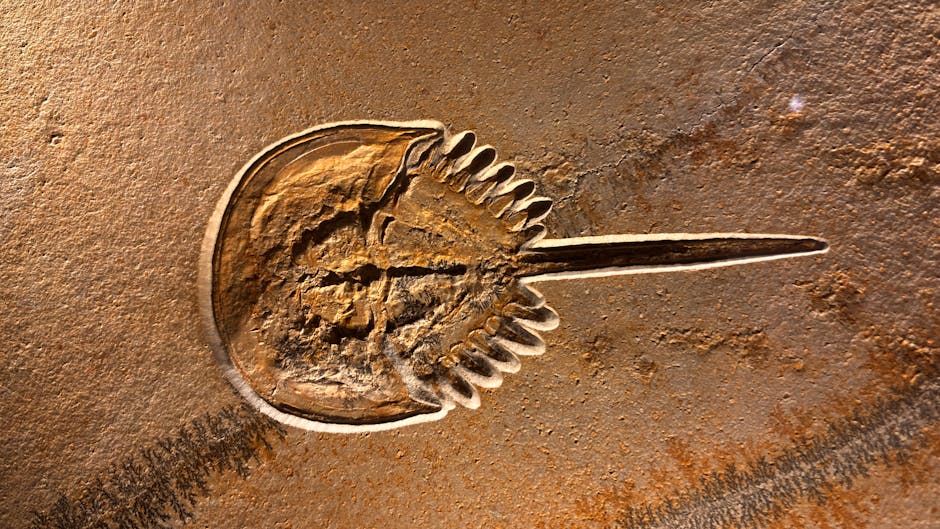
Photo by Alejandro Quintanar on Pexels
Fossil fuels are carbon-rich materials formed from the remains of ancient organisms over millions of years under specific geological conditions. They represent vast stores of carbon that were once part of living ecosystems.
The formation process requires:
1. Abundant Organic Matter: Large quantities of dead plants (for coal) or marine organisms (for oil and natural gas) accumulate.
2. Rapid Burial: This organic matter must be quickly buried by layers of sediment (like mud, sand, silt) to prevent complete decomposition by aerobic bacteria. This creates anaerobic conditions.
3. Heat and Pressure: Over millions of years, as more layers accumulate, the buried organic matter is subjected to intense heat and pressure. This transforms the organic material into coal, oil, or natural gas.
The Role of Fossil Fuels in the Modern Carbon Cycle
For most of Earth's history, the carbon stored in fossil fuels was essentially locked away from the active carbon cycle. However, since the Industrial Revolution, humans have been extracting and burning these fossil fuels for energy.
When fossil fuels are burned (combustion), the stored carbon reacts with oxygen to produce large amounts of carbon dioxide (CO2) and other gases, which are then released into the atmosphere. This rapid release of ancient carbon is significantly increasing the concentration of CO2 in the atmosphere, contributing to climate change.
Here’s a simplified flow of carbon through decomposition and fossil fuel formation:
graph TD
    A["Dead Organic Matter"] --> B["Decomposition (Aerobic)"]
    B --> C["CO2 (Atmosphere)"]
    B --> D["Nutrients (Soil)"]

    A --> E["Decomposition (Anaerobic)"]
    E --> F["Methane (Atmosphere)"]
    E --> G["Incompletely Decomposed Organic Matter"]

    G --> H["Burial & Sedimentation"]
    H --> I["Heat & Pressure (Millions of Years)"]
    I --> J["Fossil Fuels (Coal, Oil, Gas)"]

    J --> K["Combustion (Human Activity)"]
    K --> C
3. Worked Example
Imagine a vast forest 300 million years ago. Trees die and fall, accumulating in a swampy area. Due to the waterlogged conditions, oxygen is scarce, so decomposers can't fully break down the woody material (anaerobic decomposition). More trees die and fall, burying the previous layers. Over millions of years, these buried plant remains are subjected to immense pressure from overlying sediments and heat from the Earth's interior. This transforms the original peat into lignite, then sub-bituminous coal, bituminous coal, and eventually anthracite. This coal seam represents millions of tons of carbon locked away.
When we mine this coal today and burn it in a power plant, the carbon stored within it rapidly combines with atmospheric oxygen, releasing vast amounts of CO2 into the atmosphere. A typical coal-fired power plant might burn thousands of tons of coal per day, releasing hundreds of thousands of tons of CO2, which significantly impacts the current atmospheric carbon concentration.
4. Key Takeaways
- Decomposition is the natural process where microbes and other organisms break down dead organic matter.
- Aerobic decomposition releases carbon as CO2, while anaerobic decomposition can produce methane (CH4).
- Fossil fuels (coal, oil, natural gas) form over millions of years from incompletely decomposed organic matter under heat and pressure.
- This formation process locks away carbon that was once part of ancient living organisms.
- Burning fossil fuels rapidly releases this stored carbon as CO2 back into the atmosphere.
- This human-driven release of ancient carbon is a major factor in the current increase in atmospheric CO2 levels.
- Decomposition is a relatively fast part of the carbon cycle, while fossil fuel formation is extremely slow.
Common Mistakes to Avoid:
- Don't confuse decomposition with combustion; decomposition is a natural breakdown, combustion is burning.
- Remember that fossil fuels take millions of years to form, not just hundreds or thousands.
- Don't think all dead organic matter becomes fossil fuel; specific conditions (like rapid burial and lack of oxygen) are required.
- Don't forget that methane (CH4) is also a carbon-containing gas released by anaerobic decomposition and is a powerful greenhouse gas.
5. Now Try It
Take a moment to consider an everyday object, like a wooden pencil or a plastic bottle. Trace its carbon journey mentally. For the wooden pencil, think about where the wood came from, how it grew (photosynthesis), and what would happen if it decomposed naturally. For the plastic bottle, think about its origin from fossil fuels, how those fossil fuels formed, and what happens when the plastic eventually breaks down or is incinerated. Visualize the carbon moving through different parts of the cycle for each item. What happens to the carbon when the pencil is sharpened or when the bottle is recycled?
Frequently asked about The Carbon Cycle: Decomposition and Fossil Fuels
More from biology sa1 8
Get the full biology sa1 8 curriculum
Clone the complete plan to your dashboard for unlimited AI-generated notes, practice quizzes, and a personalised revision schedule.
Save this course free