The Importance of a Well-Balanced Diet
From the HUN 1201: Elements of Nutrition curriculum
TL;DR
A well-balanced diet provides your body with all the essential nutrients it needs to function properly, impacting your energy, mood, and long-term health. It helps prevent chronic diseases and supports optimal physical and mental performance. Making informed food choices is key to achieving and maintaining this balance.
1. The Mental Model
Think of your body as a high-performance car. Just as a car needs the right type and quality of fuel and fluids to run smoothly and last long, your body needs a variety of nutrients from different food groups to operate at its best.
2. The Core Material
A well-balanced diet means eating a variety of foods in appropriate amounts to give your body the nutrients it needs. These nutrients include macronutrients (carbohydrates, proteins, fats) which provide energy, and micronutrients (vitamins, minerals) which support countless bodily functions.
Why is it so important?
-
Energy and Performance:
- Carbohydrates are your body's primary energy source. Think whole grains, fruits, and vegetables.
- Fats provide concentrated energy and are crucial for hormone production and nutrient absorption. Healthy fats are found in avocados, nuts, seeds, and olive oil.
- Proteins are essential for building and repairing tissues, and making enzymes and hormones. Sources include lean meats, fish, beans, and lentils. Without enough of these, you'd feel tired and your body couldn't perform basic repairs.
-
Disease Prevention:
- A diet rich in fruits, vegetables, and whole grains, and low in processed foods, sugar, and unhealthy fats significantly reduces the risk of chronic diseases. These include heart disease, type 2 diabetes, certain cancers, and obesity.
- For example, fiber from plants helps maintain a healthy digestive system and can lower cholesterol.
-
Immune System Support:
- Vitamins (like C and D) and minerals (like zinc and iron) are crucial for a strong immune system. A balanced diet ensures you get these defenders to fight off illness.
-
Mood and Mental Health:
- Believe it or not, what you eat affects your brain chemistry. Nutrients from whole foods can improve mood, reduce symptoms of depression and anxiety, and boost cognitive function. Omega-3 fatty acids, found in fatty fish, are particularly important for brain health.
-
Healthy Weight Management:
- A balanced diet focuses on nutrient-dense foods that keep you feeling full and satisfied, making it easier to maintain a healthy weight without feeling deprived. This isn't about restrictive dieting, but about sustainable, healthy eating habits.
Components of a Balanced Diet
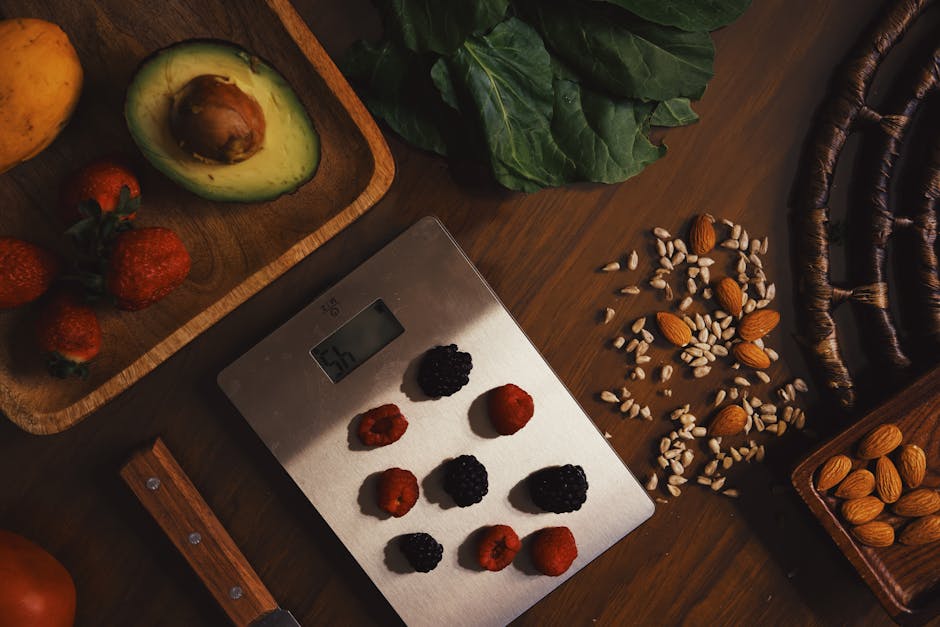
Photo by LEONARDO VAZQUEZ on Pexels
Here's a simple breakdown of the main food groups and their roles:
graph TD
    A["Well-Balanced Diet"] --> B["Fruits & Vegetables (Vitamins, Minerals, Fiber)"]
    A --> C["Whole Grains (Complex Carbs, Fiber)"]
    A --> D["Lean Proteins (Build & Repair)"]
    A --> E["Healthy Fats (Energy, Absorption, Hormones)"]
    A --> F["Dairy/Alternatives (Calcium, Vitamin D)"]
    B --> B1["Boosts Immunity, Digestion"]
    C --> C1["Sustained Energy"]
    D --> D1["Muscle Growth, Repair"]
    E --> E1["Brain Health, Cell Function"]
    F --> F1["Bone Strength"]
3. Worked Example
Let's say you're planning your meals for a day. Instead of just grabbing whatever's convenient, you think about balance.
Breakfast: Instead of a sugary pastry (empty carbs), you opt for oatmeal (whole grain carbs, fiber) with berries (vitamins, fiber) and a handful of nuts (healthy fats, protein). This combination gives you sustained energy and essential nutrients to start your day.
Lunch: Instead of a greasy burger and fries, you choose a salad with mixed greens, lean grilled chicken (protein), avocado (healthy fat), and various colorful vegetables (vitamins, minerals, fiber), dressed with olive oil and vinegar. You might add a small whole-grain roll for more complex carbs.
Dinner: Instead of just pasta, you make whole-wheat pasta with a tomato sauce packed with vegetables like spinach and mushrooms (vitamins, minerals). You add some baked salmon (protein, omega-3 healthy fats) on the side.
Snacks: Instead of chips or candy, you reach for an apple with a tablespoon of peanut butter (fiber, healthy fat, protein) or a small Greek yogurt (protein, calcium).
By making these conscious choices, you're ensuring your body gets a broad spectrum of nutrients throughout the day, rather than relying on just one or two food types.
4. Key Takeaways
- A well-balanced diet provides essential nutrients for energy, growth, repair, and overall health.
- It significantly reduces your risk of developing chronic diseases like heart disease and type 2 diabetes.
- Eating a variety of whole foods supports a strong immune system and can improve your mood and mental clarity.
- Focus on consuming adequate amounts of fruits, vegetables, whole grains, lean proteins, and healthy fats.
- Hydration is also a crucial part of a healthy diet, so remember to drink plenty of water.
- Small, consistent healthy food choices add up to big benefits over time.
Common Mistakes to Avoid

Photo by KATRIN BOLOVTSOVA on Pexels
- Eliminating entire food groups: Unless medically necessary, cutting out whole food groups (like all carbs) can lead to nutrient deficiencies.
- Relying on supplements instead of food: Supplements are meant to supplement a healthy diet, not replace the nutrients from whole foods.
- Ignoring portion sizes: Even healthy foods can contribute to weight gain if eaten in excessive amounts.
- Focusing only on calories: Not all calories are equal; prioritize nutrient-dense foods over empty calories, even if they have the same calorie count.
- Expecting instant results: Building healthy eating habits and seeing the benefits takes time and consistency.
5. Now Try It
For the next 24 hours, pay close attention to your food choices. Before each meal or snack, pause and quickly ask yourself: "What food groups am I including here?" and "Am I getting a variety of nutrients?" Don't try to be perfect, just observe.
What success looks like: By the end of the day, you should be able to identify at least one meal where you consciously added a missing food group (e.g., adding vegetables to a plain pasta dish) or chose a more nutrient-dense option over a less healthy one.
Frequently asked about The Importance of a Well-Balanced Diet
More from HUN 1201: Elements of Nutrition
Get the full HUN 1201: Elements of Nutrition curriculum
Clone the complete plan to your dashboard for unlimited AI-generated notes, practice quizzes, and a personalised revision schedule.
Save this course free