Introduction to Sustainability and Responsible Business
From the BSB107 curriculum
TL;DR
Sustainability in business means meeting today's needs without compromising future generations' ability to meet theirs, balancing environmental, social, and economic factors. Responsible business goes beyond just profit, considering ethical impacts on all stakeholders and contributing positively to society. Integrating these concepts helps businesses thrive long-term while making a positive impact.
1. The Mental Model
Think of a business as a tree. For it to grow tall and strong, it needs more than just sunlight (profit). It also needs healthy soil (a thriving environment), clean water (ethical practices), and a supportive ecosystem (happy community/employees). Neglecting any of these will eventually harm the tree's ability to flourish.
2. The Core Material
In BSB107, understanding sustainability and responsible business is crucial for seeing how modern organisations operate and how you can contribute to a better future. It's not just about "being nice"; it's increasingly a core part of strategic planning and risk management.
What is Sustainability?

Photo by Artem Podrez on Pexels
At its heart, sustainability is about meeting present needs without compromising the ability of future generations to meet their own needs. It's often broken down into three pillars:
-
Environmental Sustainability: This focuses on reducing a business's negative impact on the environment. Think about things like:
- Reducing waste (recycling, reusing, reducing consumption).
- Minimising pollution (air, water, land).
- Conserving natural resources (water, energy, raw materials).
- Protecting biodiversity.
- Using renewable energy sources.
-
Social Sustainability: This is about ensuring fair and beneficial business practices toward labour, communities, and society. Key areas include:
- Fair labour practices (safe working conditions, fair wages, no child labour).
- Community engagement and development.
- Diversity, equity, and inclusion.
- Protecting human rights.
- Access to essential services.
-
Economic Sustainability: This isn't just about making profit today, but ensuring long-term financial viability and contributing to a healthy economy. This includes:
- Profitability and responsible growth.
- Ethical governance and transparency.
- Local economic development.
- Fair competition.
- Risk management (including environmental and social risks).
These three pillars are interconnected and are often referred to as the Triple Bottom Line (TBL): People, Planet, Profit. A truly sustainable business aims to perform well in all three areas, not just financial profit.
What is Responsible Business?
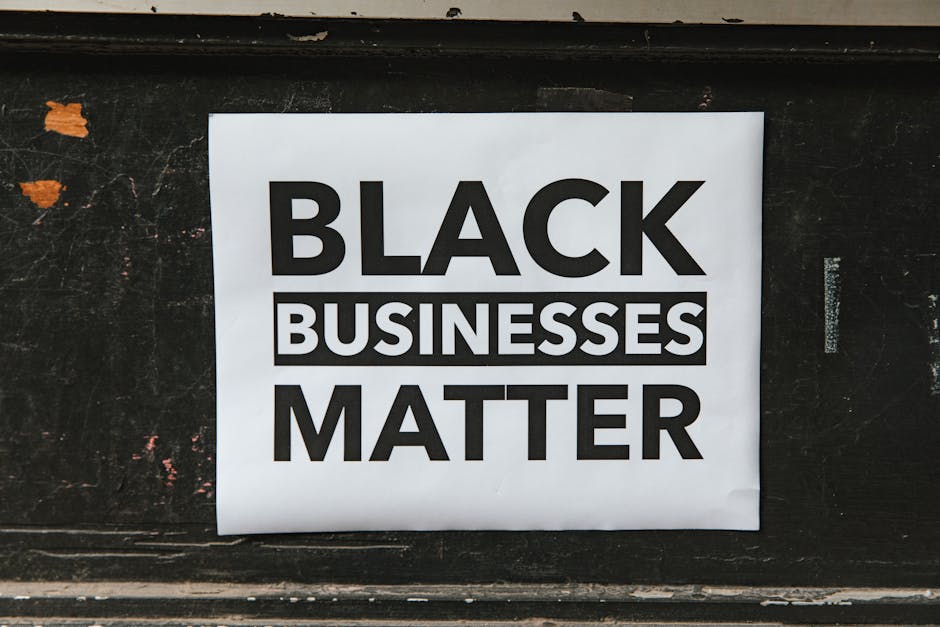
Photo by RDNE Stock project on Pexels
Responsible business (often called Corporate Social Responsibility or CSR) is a broader concept that refers to a business's commitment to operate ethically and contribute to economic development while improving the quality of life of the workforce, their families, and the local community and society at large. It's about how a business governs itself and its impact on its stakeholders.
Stakeholders include anyone affected by a business's actions, such as:
* Employees
* Customers
* Suppliers
* Local communities
* Shareholders/owners
* Government
* The environment
A responsible business takes these stakeholders' needs into account, not just those of its shareholders.
Here's how sustainability and responsible business practices often flow together:
graph TD
    A["Business Decision/Strategy"] --> B{Considers Sustainability & Responsibility?};
    B -- Yes --> C["Environmental Impact Assessment"];
    B -- Yes --> D["Social Impact Assessment"];
    B -- Yes --> E["Economic Viability (Long-term)"];
    C --> F["Reduce Waste, Use Renewables"];
    D --> G["Fair Wages, Community Engagement"];
    E --> H["Ethical Governance, Resource Efficiency"];
    F --> I["Positive Outcomes"];
    G --> I;
    H --> I;
    I --> J["Enhanced Reputation & Brand Value"];
    I --> K["Increased Customer Loyalty"];
    I --> L["Better Employee Retention"];
    I --> M["Reduced Risks (Regulatory, Reputational)"];
    I --> N["Long-term Profitability & Resilience"];
    B -- No --> O["Negative Outcomes"];
    O --> P["Reputational Damage"];
    O --> Q["Fines/Legal Issues"];
    O --> R["Loss of Customers/Employees"];
    O --> S["Short-term Gains, Long-term Decline"];
Why is this important for businesses?

Photo by Image Hunter on Pexels
Integrating sustainability and responsible practices isn't just good for the world; it's good for business.
* Reputation and Brand Value: Consumers increasingly prefer companies that align with their values.
* Customer Loyalty: Ethical practices build trust and loyalty.
* Employee Attraction and Retention: People want to work for companies that have a positive impact.
* Risk Management: Proactively addressing environmental and social issues can prevent fines, lawsuits, and public backlash.
* Innovation: Thinking sustainably can lead to new products, services, and more efficient processes.
* Access to Capital: Investors are increasingly looking for companies with strong ESG (Environmental, Social, Governance) performance.
* Long-term Profitability: Sustainable practices often lead to cost savings (e.g., energy efficiency) and resilience in the face of resource scarcity or climate change.
3. Worked Example
Let's consider a clothing manufacturer, "EcoWear Co.", that decides to integrate sustainability and responsible business practices.
The Problem: Traditional clothing manufacturing often uses vast amounts of water, produces significant waste, uses toxic dyes, and sometimes relies on unethical labour practices in its supply chain.
EcoWear Co.'s Approach:
-
Environmental Sustainability:
- They invest in machinery that uses less water during dyeing processes and implement water recycling systems in their factories.
- They switch to organic cotton and recycled polyester, reducing pesticide use and reliance on virgin materials.
- They establish a take-back program where customers can return old EcoWear clothes for recycling or upcycling, significantly reducing landfill waste.
- They use renewable energy (solar panels) in their main factory.
-
Social Sustainability:
- They conduct regular audits of their entire supply chain to ensure all workers receive fair wages, work in safe conditions, and are of legal working age.
- They invest in local community development programs near their factories, such as funding schools and healthcare initiatives.
- They promote diversity and inclusion within their own workforce and leadership.
-
Economic Sustainability:
- While the initial investment in new machinery and organic materials might be higher, they project long-term cost savings from reduced water consumption and energy bills.
- Their strong ethical stance enhances their brand reputation, attracting a growing segment of eco-conscious consumers, leading to increased sales and market share.
- Their transparent reporting on sustainability efforts attracts socially responsible investors, improving their access to capital.
By implementing these practices, EcoWear Co. isn't just making clothes; it's building a brand known for its positive impact on people and the planet, ensuring its own long-term success.
4. Key Takeaways
- Sustainability means meeting present needs without harming future generations' ability to meet theirs, focusing on environmental, social, and economic pillars.
- Responsible business (CSR) involves operating ethically and considering the impact on all stakeholders, not just shareholders.
- The Triple Bottom Line (TBL) – People, Planet, Profit – is a framework for measuring a business's success beyond just financial returns.
- Integrating sustainability and responsibility can lead to stronger brand reputation, increased customer loyalty, and better employee retention.
- Proactive ethical practices help mitigate risks like regulatory fines, reputational damage, and supply chain disruptions.
- These concepts are not just about "being good"; they are increasingly vital for long-term business strategy and profitability.
- Ignoring environmental and social impacts can lead to significant long-term costs and damage to a business.
Common mistakes to avoid:
* Greenwashing: Don't just say you're sustainable without actually doing anything; consumers and regulators will find out.
* Focusing only on profit: Short-term financial gains at the expense of social or environmental well-being are rarely sustainable.
* Ignoring the supply chain: A business is only as responsible as its least ethical supplier.
* Viewing it as a separate initiative: Sustainability should be integrated into core business strategy, not treated as an add-on.
5. Now Try It
Think about a company you regularly interact with (e.g., your favourite coffee shop, a supermarket, or a clothing brand). Spend 15 minutes considering:
1. How does this company currently demonstrate (or fail to demonstrate) environmental sustainability? (e.g., waste reduction, energy use, product materials).
2. How does it demonstrate (or fail to demonstrate) social responsibility? (e.g., employee treatment, community involvement, ethical sourcing).
3. If you were a manager there, what's ONE specific, practical change you'd suggest to improve either their sustainability or responsible business practices?
Success looks like: You can identify at least one example for each of the first two questions and propose a concrete, actionable change that aligns with the principles discussed above.
Frequently asked about Introduction to Sustainability and Responsible Business
Study this next
Get the full BSB107 curriculum
Clone the complete plan to your dashboard for unlimited AI-generated notes, practice quizzes, and a personalised revision schedule.
Save this course free