The Sun's Influence on Earth and the Galaxy
From the science curriculum
TL;DR
The Sun, our star, directly powers Earth's climate, weather, and life through its energy output. Its gravitational pull keeps Earth in orbit, and its activity profoundly impacts our planet's magnetic field and atmosphere. While its direct influence on the entire galaxy is minor, its formation and future evolution are part of the larger galactic cycle of stars and matter.
1. The Mental Model
Think of the Sun as Earth's ultimate power source and gravitational anchor. It constantly broadcasts energy and holds us in place, making everything from photosynthesis to ocean currents possible. On a grander scale, it's one of billions of stars in the Milky Way, all part of the galaxy's vast, interconnected system.
2. The Core Material
The Sun is a middle-aged G-type main-sequence star – a fancy way of saying it's a yellow dwarf star that's currently fusing hydrogen into helium in its core. This fusion process releases an incredible amount of energy, primarily as electromagnetic radiation (like visible light, UV rays, and infrared heat) and a stream of charged particles called the solar wind.
Earth's Climate and Weather
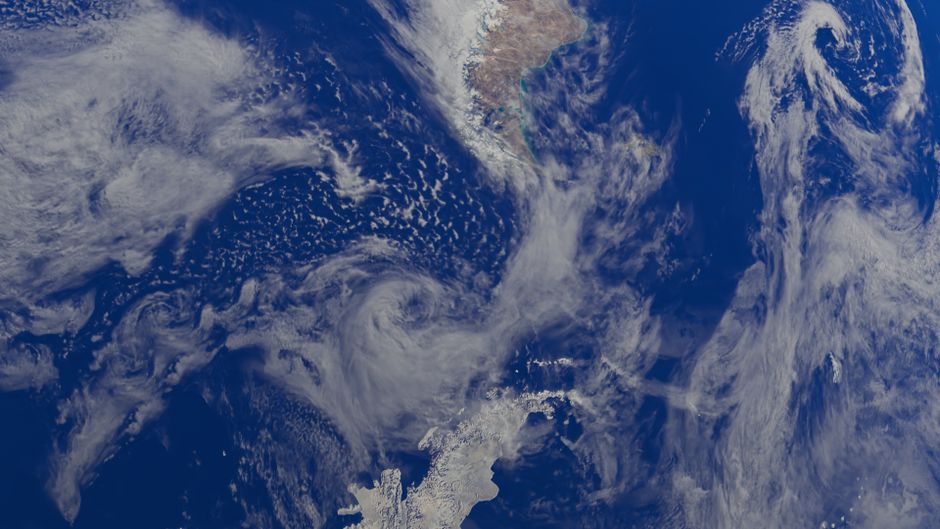
Photo by Zelch Csaba on Pexels
The most direct influence of the Sun is on Earth's climate and weather. Solar radiation warms our planet, driving the water cycle (evaporation, condensation, precipitation), atmospheric circulation (winds), and ocean currents. Without the Sun, Earth would be a frozen, lifeless rock.
- Solar Constant: This is the average amount of solar energy per unit area that reaches Earth's upper atmosphere. It's not perfectly constant, varying slightly with solar activity.
- Greenhouse Effect: Some of the Sun's energy is absorbed by Earth's surface and re-radiated as heat. Greenhouse gases in the atmosphere trap some of this heat, keeping Earth warm enough to support life. Too much of these gases can lead to global warming.
Earth's Magnetic Field and Atmosphere
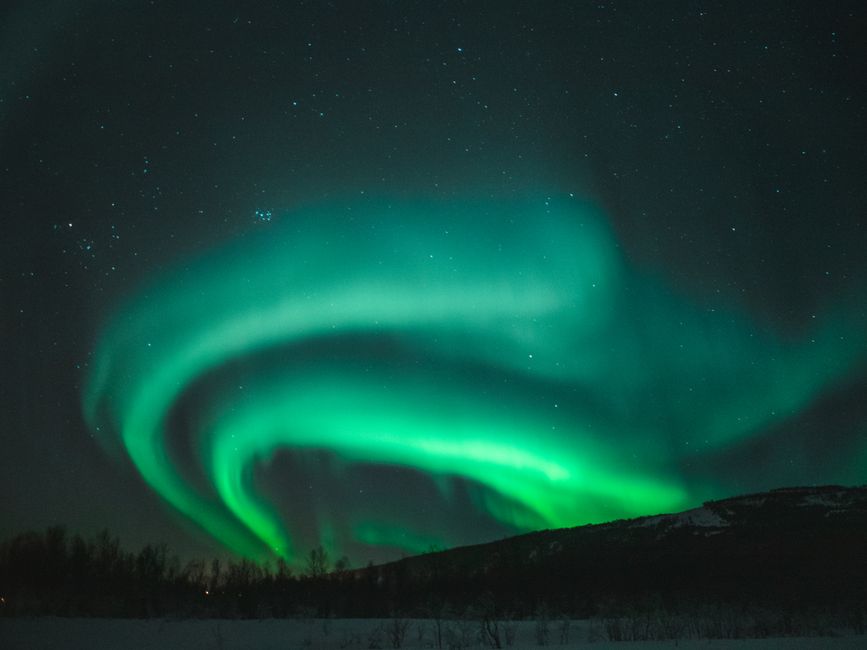
Photo by Tobias Bjørkli on Pexels
The Sun's more energetic outputs, like solar flares (sudden bursts of radiation) and coronal mass ejections (CMEs) (large expulsions of plasma and magnetic field), can have significant effects.
- Solar Wind: This stream of charged particles constantly flows from the Sun. It interacts with Earth's magnetic field, creating the magnetosphere, which protects us from most of the harmful particles.
- Auroras: When solar wind particles penetrate the magnetosphere near the poles, they excite atoms in the atmosphere, causing them to emit light – the spectacular auroras (Northern and Southern Lights).
- Geomagnetic Storms: Strong solar flares and CMEs can cause geomagnetic storms, disrupting radio communications, GPS, power grids, and even affecting satellite operations.
Gravity and Orbital Mechanics
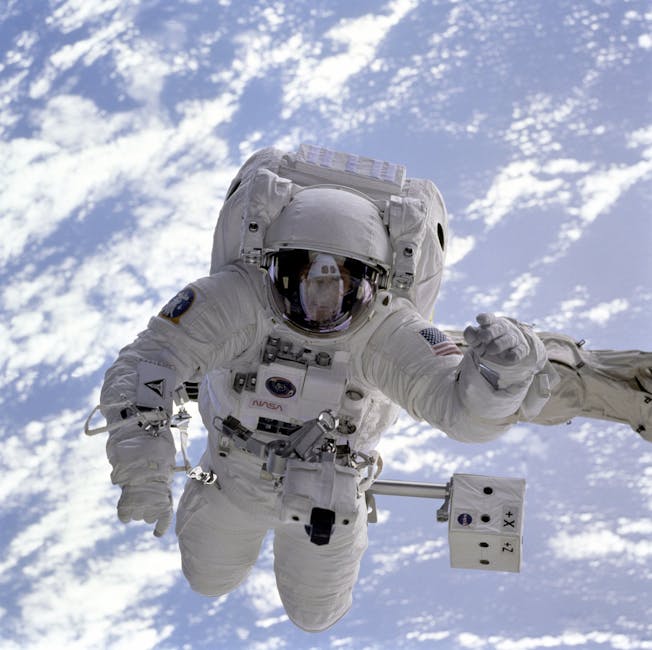
Photo by Pixabay on Pexels
The Sun's immense mass means it has a powerful gravitational pull. This gravity keeps Earth and all the other planets, dwarf planets, asteroids, and comets in orbit around it, forming our solar system. Without the Sun's gravity, Earth would fly off into interstellar space.
The Sun's Place in the Galaxy
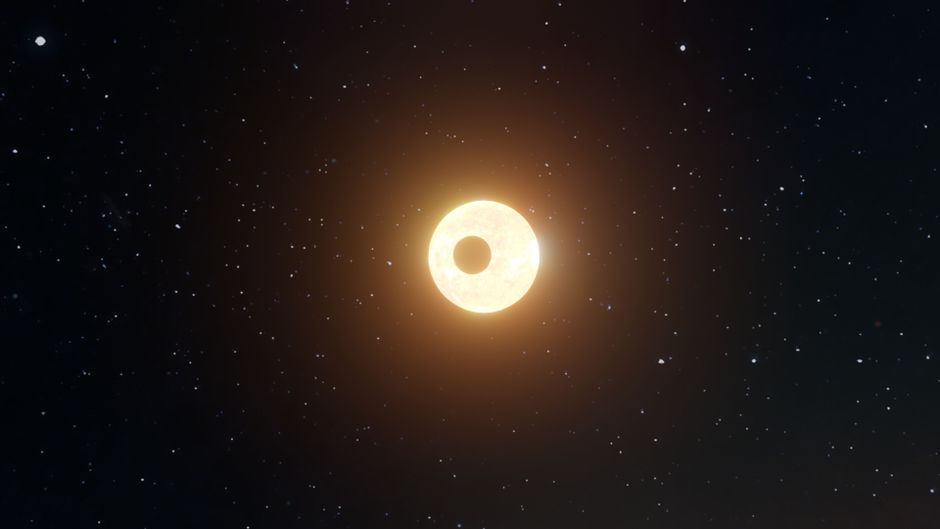
Photo by Zelch Csaba on Pexels
While the Sun's influence on Earth is profound, its direct impact on the entire galaxy is minimal. It's just one star among 100-400 billion in the Milky Way. However, the Sun's existence and evolution are intrinsically linked to galactic processes:
- Star Formation: The Sun formed from a cloud of gas and dust within the Milky Way about 4.6 billion years ago, a process triggered by galactic forces (like shockwaves from supernovae).
- Galactic Orbit: The Sun, along with our entire solar system, orbits the center of the Milky Way galaxy, completing one revolution roughly every 220-250 million years.
- Recycling of Matter: The elements that make up the Sun and Earth (like carbon, oxygen, iron) were forged in previous generations of stars that exploded as supernovae, enriching the galactic medium from which new stars like our Sun formed.
Here's a diagram showing how the Sun's activities impact Earth:
graph TD
    A["Sun's Core (Fusion)"] --> B["Solar Energy Output (Radiation)"]
    A --> C["Solar Wind / Flares / CMEs"]

    B --> D["Earth's Surface / Atmosphere"]
    D --> E["Climate & Weather (Temperature, Wind, Water Cycle)"]
    D --> F["Photosynthesis / Life"]

    C --> G["Earth's Magnetic Field (Magnetosphere)"]
    G --> H["Protection from Harmful Particles"]
    G --> I["Auroras (at Poles)"]
    C --> J["Atmosphere (Ionosphere)"]
    J --> K["Radio / GPS Interference (during Storms)"]

    A --> L["Sun's Gravity"]
    L --> M["Earth's Orbit"]
    M --> N["Planetary Stability"]
3. Worked Example
Let's consider a specific event: a powerful Coronal Mass Ejection (CME) directed at Earth.
- The Event: The Sun experiences a large CME, ejecting billions of tons of plasma and magnetic field into space.
- Travel Time: This CME travels through space, reaching Earth typically within 1-4 days.
- Impact on Earth: As the CME hits Earth's magnetosphere, it can cause a geomagnetic storm.
- Auroras: Intense and widespread auroras might be seen much further from the poles than usual.
- Radio Blackouts: High-frequency radio communications can be disrupted or blacked out, affecting aircraft, ships, and emergency services.
- GPS Errors: Satellites can be affected, leading to reduced GPS accuracy.
- Power Grids: In extreme cases, strong geomagnetic currents induced in long power lines can overload transformers, potentially causing widespread power outages. (The 1989 Quebec blackout is a famous example.)
- Satellite Damage: Satellites themselves can be damaged by increased radiation exposure.
This example shows how a single solar event can trigger a cascade of effects impacting modern technology and our daily lives, even though the Sun is 150 million kilometers away.
4. Key Takeaways
- The Sun's fusion provides the energy that drives Earth's climate, weather patterns, and supports all life through photosynthesis.
- Solar radiation and the greenhouse effect maintain Earth's habitable temperature.
- The Sun's gravity keeps Earth in orbit, ensuring our planet's long-term stability in the solar system.
- The solar wind, flares, and CMEs interact with Earth's magnetosphere, causing auroras and sometimes disrupting technology.
- Earth's magnetic field is crucial for protecting us from harmful solar particles.
- The Sun is one of billions of stars in the Milky Way, and its formation and evolution are part of the galaxy's larger cycle of stellar birth and death.
- While a critical influence locally, the Sun's direct impact on the entire galaxy is negligible compared to supermassive black holes or supernovae.
Common mistakes to avoid:
- Thinking the Sun's influence on Earth is constant; it varies with the solar cycle (a roughly 11-year cycle of solar activity).
- Confusing the Sun's direct gravitational pull with its broader galactic influence; the Sun's gravity binds its solar system, not the entire galaxy.
- Believing auroras are caused by direct sunlight; they're caused by charged particles from the solar wind interacting with Earth's atmosphere.
- Underestimating the protective role of Earth's magnetic field; without it, our atmosphere might be stripped away over time.
5. Now Try It
For 15 minutes, research the Maunder Minimum. What was it? What effect did it have on Earth's climate, and what does this tell us about the Sun's long-term variability? Try to find at least two specific scientific hypotheses explaining the observed climate changes during this period.
Success looks like: You can explain what the Maunder Minimum was, approximately when it occurred, what general impact it had on Earth's temperature, and two distinct scientific ideas about why that climate impact happened, linking it back to changes in solar activity.
Frequently asked about The Sun's Influence on Earth and the Galaxy
More from science
Get the full science curriculum
Clone the complete plan to your dashboard for unlimited AI-generated notes, practice quizzes, and a personalised revision schedule.
Save this course free