Outcome Identification and Planning
From the MATERNAL AND CHILD curriculum
TL;DR
Outcome identification in maternal and child health involves setting specific, measurable goals for your client's well-being. This step follows assessment and diagnosis, translating needs into achievable results. Effective planning then outlines the actions and interventions required to help your client reach those identified outcomes.
1. The Mental Model
Think of outcome identification and planning like mapping a journey: you first decide your destination (the desired outcome for your client), and then you plot the specific route and steps to get there (your nursing interventions and care plan).
2. The Core Material
Once you've assessed your client and identified their nursing diagnoses (e.g., "Risk for Impaired Skin Integrity related to prolonged bed rest for preeclampsia"), the next crucial step is to determine what successful care looks like. This is where outcome identification comes in.
Outcomes are client-centered, measurable goals that reflect an improvement in their health status or a resolution of their nursing diagnosis. They are usually expressed as "the client will..." or "the infant will..."
The generally accepted framework for writing outcomes is the SMART criteria:
* Specific: Clearly states what is to be achieved. No vague terms.
* Measurable: You can tell if the outcome has been met or not. Uses quantifiable terms (e.g., "walk 50 feet," "report pain level of 3/10").
* Achievable: The outcome is realistic and attainable given the client's current condition and available resources.
* Relevant: The outcome is important to the client's health and aligns with their nursing diagnosis.
* Time-bound: Specifies a timeframe for achievement (e.g., "by discharge," "within 24 hours," "by the next clinic visit").
Crafting Outcomes

Photo by Jonathan Borba on Pexels
When writing outcomes, always consider the client's perspective and functional abilities. For instance, instead of "Nurse will teach," an outcome would be "Client will demonstrate correct breastfeeding latch."
Planning Nursing Interventions
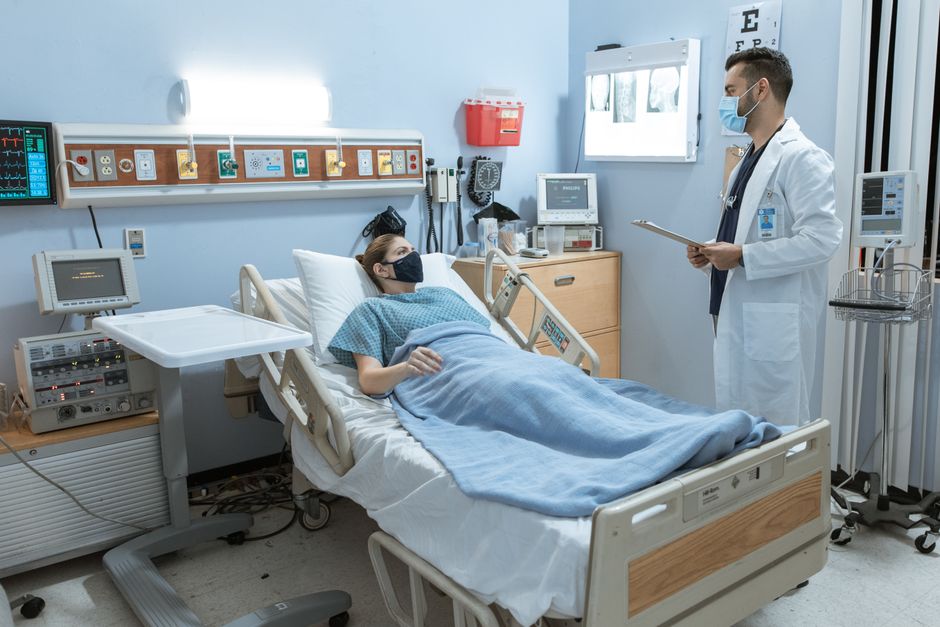
Photo by RDNE Stock project on Pexels
Once you have your SMART outcomes, you move into the planning phase. This involves outlining the specific nursing actions that will help your client achieve those outcomes. Interventions should also be:
* Client-centered: Focused on the client's needs and preferences.
* Specific: Detail exactly what you will do.
* Realistic: Feasible given your resources and the client's condition.
* Evidence-based: Supported by current research and best practices.
* Prioritized: Address the most critical needs first.
Interventions typically fall into categories like:
* Assessment: Monitoring vital signs, assessing pain, observing for changes.
* Therapeutic: Administering medications, wound care, positioning.
* Teaching/Education: Explaining procedures, demonstrating skills, providing health information.
* Referral/Collaboration: Consulting with other healthcare professionals, making referrals to specialists or community resources.
Here's a visual representation of how outcome identification leads to planning:
graph TD
    A["Client Assessment (Data Collection)"] --> B["Nursing Diagnosis (Problem Identification)"]
    B --> C["Outcome Identification (SMART Goals)"]
    C --> D["Planning (Intervention Selection)"]
    D --> E["Implementation (Carrying out Interventions)"]
    E --> F["Evaluation (Assessing Outcome Achievement)"]
    F --> B; C; D; E;
3. Worked Example
Let's say you have a new mother (gravida 1, para 1) who delivered vaginally 12 hours ago. Your assessment reveals she has significant perineal pain (8/10 on a 0-10 scale) and is hesitant to ambulate or void due to discomfort.
Nursing Diagnosis: Acute Pain related to perineal trauma secondary to vaginal delivery, as evidenced by client's verbal report of 8/10 pain and grimacing.
Outcome Identification:
* Outcome 1 (Pain Relief): "The client will report a decrease in perineal pain to a level of 3/10 or less within 2 hours of intervention." (Specific, Measurable, Achievable, Relevant, Time-bound)
* Outcome 2 (Mobility/Comfort): "The client will ambulate to the bathroom and void a minimum of 200 mL within 4 hours, without excessive discomfort." (Specific, Measurable, Achievable, Relevant, Time-bound)
Planning (Nursing Interventions for Outcome 1 - Pain Relief):
1. Assess: Reassess pain level using 0-10 scale every hour, noting location, quality, and aggravating/alleviating factors.
2. Administer: Administer prescribed oral analgesic (e.g., ibuprofen 600mg) now and as ordered.
3. Apply: Instruct client on and assist with application of ice pack to perineum for 20 minutes every 2-4 hours.
4. Educate: Teach client relaxation techniques (e.g., deep breathing) to manage discomfort.
5. Position: Assist client into a comfortable position (e.g., side-lying) that reduces pressure on the perineum.
4. Key Takeaways
- Outcome identification translates client needs into clear, measurable targets for care.
- Always use the SMART criteria (Specific, Measurable, Achievable, Relevant, Time-bound) when writing outcomes.
- Outcomes are client-centered, focusing on what the client will do or achieve.
- Planning involves detailing specific nursing interventions designed to help the client meet those outcomes.
- Interventions should be evidence-based, realistic, and prioritized to address the most critical needs.
- The process is cyclical; outcomes and plans are re-evaluated and adjusted based on client progress.
Common Mistakes to Avoid:
- Writing vague outcomes like "Client will feel better." (Not specific or measurable).
- Focusing outcomes on what the nurse will do, instead of the client.
- Creating unrealistic or unachievable outcomes for the client's condition.
- Developing interventions that aren't directly linked to an identified outcome.
- Skipping the time-bound element, making it hard to evaluate progress.
5. Now Try It
Imagine you have a 3-year-old child admitted with dehydration due to gastroenteritis. The nursing diagnosis is "Fluid Volume Deficit related to active fluid loss (vomiting and diarrhea) as evidenced by dry mucous membranes, decreased urine output, and sunken fontanel."
Your task is to:
1. Write two SMART outcomes for this child, focusing on fluid balance and comfort.
2. List at least three nursing interventions for each outcome that would help the child achieve it.
Success looks like: outcomes that are specific, measurable, achievable, relevant, and time-bound, and interventions that are clearly linked to helping achieve those outcomes.
Frequently asked about Outcome Identification and Planning
More from MATERNAL AND CHILD
Get the full MATERNAL AND CHILD curriculum
Clone the complete plan to your dashboard for unlimited AI-generated notes, practice quizzes, and a personalised revision schedule.
Save this course free