Fundamentals of Disintegration
From the . curriculum
Fundamentals of Disintegration
TL;DR
Disintegration is when a solid drug dosage form, like a tablet, breaks down into smaller particles when it's exposed to liquid. This breakdown is crucial because it's usually the first step before the drug can dissolve and be absorbed by your body. Different factors like the tablet's ingredients and the liquid's properties can greatly affect how fast or well it disintegrates.
1. The Mental Model
Think of a sugar cube in water. It doesn't instantly disappear; it breaks down into smaller sugar crystals first. That's essentially what disintegration is for a tablet – turning a big solid piece into many tiny pieces to make it easier for the drug to get into your system.
2. The Core Material
When you swallow a tablet, it needs to release its active drug so your body can use it. Disintegration is the initial physical breakdown of that tablet into smaller pieces, or granules. These smaller pieces have a much larger surface area than the original tablet, which is key for the next step: dissolution, where the drug actually dissolves into the body fluids.
Without proper disintegration, a tablet might pass through your digestive system without releasing its drug effectively, making it useless.
How Disintegration Happens
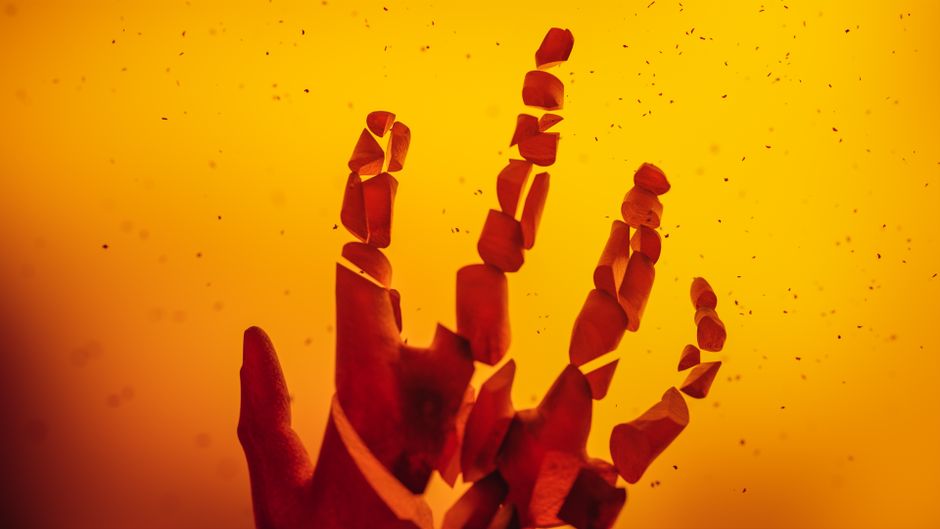
Photo by Marek Piwnicki on Pexels
Several mechanisms contribute to a tablet breaking apart:
- Swelling: Most common. Water gets into the tablet and causes ingredients called disintegrants to swell up. This swelling creates internal pressure, which then causes the tablet to burst apart. Think of a sponge soaking up water and expanding.
- Wicking: Water is drawn into the tablet's porous structure through capillary action, filling the spaces between the particles. This can lead to the tablet weakening and falling apart.
- Repulsion: Some disintegrants work by generating gases (like CO2 in effervescent tablets) or by the particles themselves repelling each other once wet, forcing the tablet to break up.
- Deformation: When compressed, some particles deform. When water enters, they recover their original shape, causing the tablet to break.
Key Factors Affecting Disintegration
Photo by Marek Piwnicki on Pexels
Many things can speed up or slow down how a tablet breaks apart:
- Disintegrant Type and Amount: This is the most important factor. Different disintegrants swell more or faster, or work by other mechanisms. Using the right amount is critical; too little, and it's slow; sometimes too much can also slow it down if it becomes too gummy.
- Binder Type and Amount: Binders are like the "glue" holding the tablet together. Stronger binders or too much binder can make the tablet very hard and resistant to breaking apart.
- Compression Force: How hard the tablet was pressed during manufacturing. Higher compression generally makes a harder, denser tablet that's slower to disintegrate because there are fewer pores for water to enter.
- Lubricant Type and Amount: Lubricants help prevent the tablet material from sticking to the machinery. Some lubricants can make the tablet water-repellent, slowing down water penetration and thus disintegration.
- Drug Properties: Some drugs themselves can be very water-repellent or have specific interactions with disintegrants.
- Storage Conditions: Humidity can affect certain ingredients, sometimes pre-swelling them or changing their effectiveness.
- Dissolution Medium (the liquid): The temperature, pH, and composition of the liquid the tablet is exposed to (e.g., stomach acid vs. intestinal fluid) can affect disintegration.
Here's a diagram showing the cause-and-effect relationship for common factors impacting disintegration:
graph TD
    A["Tablet Formulation Decisions"] --> B["Disintegrant Type/Amount"]
    A --> C["Binder Type/Amount"]
    A --> D["Lubricant Type/Amount"]
    E["Manufacturing Process"] --> F["Compression Force"]
    B --> G["Water Penetration Rate"]
    C --> H["Tablet Hardness/Porosity"]
    D --> I["Wettability of Tablet"]
    F --> H
    H --> G
    I --> G
    J["Dissolution Medium Properties"] --> G
    G --> K["Internal Pressure Build-up"]
    G --> L["Weakening of Interparticle Bonds"]
    K --> M["Disintegration (Tablet Breaks Apart)"]
    L --> M
3. Worked Example
Let's say you're designing a new oral tablet. Your initial formulation includes a relatively strong binder (polyvinylpyrrolidone, or PVP) and a standard amount of corn starch as a disintegrant.
You make a batch of tablets and test their disintegration time in a lab. The results show the tablets are taking 30 minutes to disintegrate, which is too slow for a fast-acting drug.
Problem: Slow disintegration.
Analysis:
* The strong binder (PVP) might be holding the tablet together too tightly.
* Corn starch is a good disintegrant, but it might not be powerful enough, or there might not be enough of it to overcome the binder's strength and the compression force used.
Solution Approach:
- Reduce Binder: You could try reducing the amount of PVP slightly. This might make the tablet a bit softer, but could improve disintegration.
- Increase Disintegrant: You could increase the amount of corn starch.
- Switch Disintegrant: You could switch to a "superdisintegrant" like croscarmellose sodium or crospovidone. These swell much more rapidly and powerfully than corn starch.
You decide to try increasing the corn starch content first, from 5% to 8%, while keeping the binder constant. You press a new batch of tablets with the same compression force. Now, the disintegration time is 8 minutes, which is acceptable for your drug. This shows how adjusting even one ingredient can dramatically change the tablet's performance.
4. Key Takeaways
- Disintegration is the physical breakdown of a tablet into smaller particles, a necessary first step for drug absorption.
- The most common mechanism for disintegration is the swelling of specific ingredients (disintegrants) when they absorb water.
- Disintegrants are crucial formulation components, directly influencing how quickly a tablet breaks apart.
- Tablet hardness, binder strength, and the amount of lubricant can all significantly impact disintegration time.
- The properties of the liquid the tablet encounters (like pH and temperature) also play a role in how well it disintegrates.
- Optimizing disintegration ensures the drug is released effectively and can dissolve for absorption.
Common Mistakes to Avoid:
- Ignoring disintegration during formulation: Assuming the drug will just "get out" of the tablet without considering its physical breakdown.
- Using too little disintegrant: Leading to excessively long disintegration times and poor drug release.
- Over-compressing tablets: Making them too hard and dense, which inhibits water penetration and slows disintegration.
- Overlooking lubricant impact: Some lubricants can make tablets water-repellent, hindering disintegration.
- Not testing in relevant media: Testing disintegration only in plain water when the tablet will be exposed to stomach acid, for example.
5. Now Try It
Imagine you're developing a chewable vitamin C tablet. You need it to break down quickly in the mouth for a pleasant experience. What two formulation strategies would you immediately consider to ensure rapid disintegration, and why? Spend 15 minutes thinking about the "why" based on what you've learned. Success looks like you identifying specific ingredients or manufacturing changes and explaining how they would achieve faster breakdown.
Frequently asked about Fundamentals of Disintegration
Study this next
Get the full . curriculum
Clone the complete plan to your dashboard for unlimited AI-generated notes, practice quizzes, and a personalised revision schedule.
Create Free Account