Vocabulary Expansion & Thematic Communication
From the italain language curriculum
Vocabulary Expansion & Thematic Communication
TL;DR
To speak Italian effectively, you need a strong vocabulary. Don't just memorize words; organize them by themes to improve recall and communication. This approach helps you discuss specific topics smoothly and naturally.
1. The Mental Model
Think of your brain as a filing cabinet. Instead of tossing new words randomly, create thematic folders. When you want to talk about "food," you instantly know where to find all the related words.
2. The Core Material
Expanding your Italian vocabulary isn't just about learning more words; it's about learning them strategically. Grouping words by theme—like food, travel, daily routines, or hobbies—makes them much easier to recall when you're actually speaking. This thematic approach helps you build connected thoughts and express complex ideas more naturally.
Why Thematic Learning Works

Photo by Ann H on Pexels
When you learn words in isolation, your brain has to work harder to retrieve them. But when words are linked by a common theme, your brain can access a whole "cluster" of related vocabulary. This is especially useful for conversation, where you often need to quickly switch between connected ideas.
How to Learn Thematically

Photo by Ann H on Pexels
- Choose a Theme: Start with topics relevant to your life or interests (e.g., La mia giornata - My day, Al ristorante - At the restaurant, Viaggiare - Traveling).
- Brainstorm & Collect: Think of all the words you already know related to this theme. Then, actively seek out new ones. Use dictionaries, phrasebooks, or Italian media.
- Contextualize: Don't just list words. Put them into simple sentences. This helps you understand their usage and remember them better.
- Practice: Use your thematic vocabulary in conversations, writing exercises, or by describing scenes related to your theme.
Here’s a simple process for thematic vocabulary building:
graph TD
    A["Choose a Specific Theme (e.g., 'Food' or 'Travel')"] --> B["Brainstorm Existing Vocabulary"]
    B --> C["Research New Related Words & Phrases"]
    C --> D{"Are there synonyms or antonyms?"}
    D -- Yes --> C
    D -- No --> E["Create Example Sentences for Each Word"]
    E --> F["Organize Words by Category within the Theme"]
    F --> G["Actively Use in Speaking/Writing Practice"]
Example Thematic Vocabulary: "At the Restaurant" (Al Ristorante)
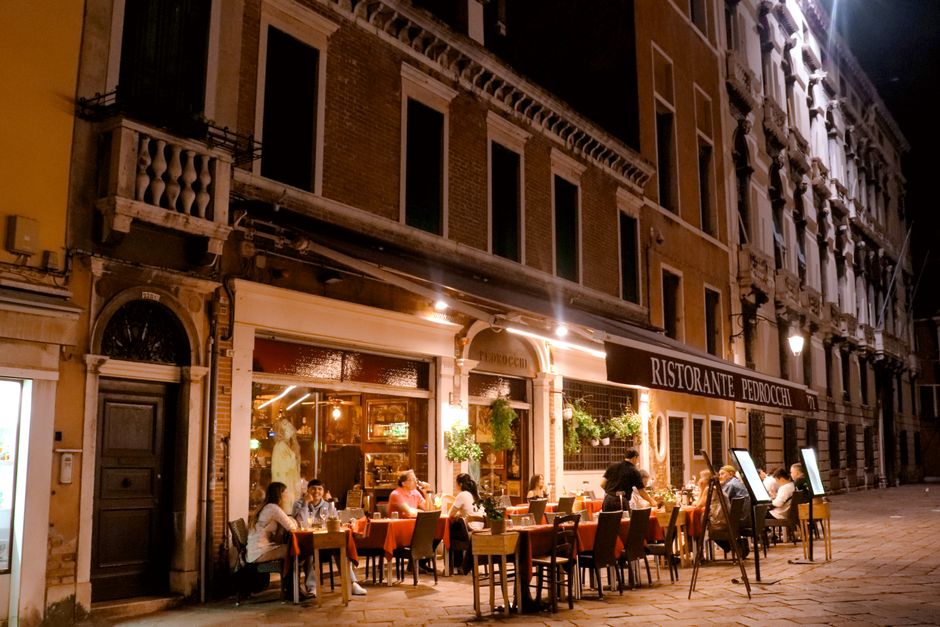
Photo by Claudia Solano on Pexels
When you're trying to order food or discuss a meal, you'll need more than just names of dishes.
- Food Items:
- il pane (bread)
- l'acqua (water)
- il vino (wine)
- il primo (piatto) (first course - pasta/rice)
- il secondo (piatto) (main course - meat/fish)
- il contorno (side dish)
- il dolce (dessert)
- Actions/Verbs:
- ordinare (to order)
- mangiare (to eat)
- bere (to drink)
- assaggiare (to taste)
- pagare (to pay)
- People/Roles:
- il cameriere/la cameriera (waiter/waitress)
- lo chef/la cuoca (chef)
- il cliente/la cliente (customer)
- Phrases:
- Vorrei... (I would like...)
- Posso avere...? (Can I have...?)
- È delizioso/a! (It's delicious!)
- Il conto, per favore. (The bill, please.)
3. Worked Example
Let's build a thematic vocabulary for "My Daily Routine" (La mia giornata).
- Theme: My Daily Routine (La mia giornata)
- Brainstorm Existing: svegliarsi (to wake up), fare colazione (to have breakfast), andare a lavoro (to go to work), pranzare (to have lunch), cenare (to have dinner), dormire (to sleep).
- Research New:
- alzarsi (to get up)
- farsi la doccia (to take a shower)
- vestirsi (to get dressed)
- lavarsi i denti (to brush one's teeth)
- uscire di casa (to leave home)
- tornare a casa (to return home)
- rilassarsi (to relax)
- guardare la TV (to watch TV)
- leggere un libro (to read a book)
- Contextualize with Sentences:
- Ogni mattina mi sveglio alle sette. (Every morning I wake up at seven.)
- Dopo la doccia, mi vesto. (After the shower, I get dressed.)
- Alle otto e mezza esco di casa. (At half past eight I leave home.)
- La sera mi rilasso leggendo un libro. (In the evening I relax by reading a book.)
- Organize (Optional sub-categories):
- Morning Actions: svegliarsi, alzarsi, farsi la doccia, vestirsi, lavarsi i denti, fare colazione, uscire di casa
- Mid-day Actions: andare a lavoro, pranzare
- Evening Actions: tornare a casa, cenare, guardare la TV, leggere un libro, rilassarsi, dormire
Now you have a comprehensive set of words and phrases specifically for discussing your daily routine, ready to be used in conversation.
4. Key Takeaways
- Group vocabulary by theme to improve recall and make conversations smoother.
- Actively choose themes relevant to your interests or everyday life.
- Always try to use new words in context by creating simple sentences.
- Don't just collect words; consider verbs, adjectives, and related phrases too.
- Regularly practice using your thematic vocabulary in speaking or writing.
Common Mistakes to Avoid:
* Memorizing isolated words: This makes them harder to retrieve during real conversation.
* Not using new words: If you don't use them, you'll quickly forget them.
* Focusing only on nouns: Verbs and adjectives are crucial for expressing actions and descriptions.
* Ignoring synonyms/antonyms: These enrich your expression and understanding.
5. Now Try It
Choose one new theme that genuinely interests you, like "My Hobbies" (I miei hobby) or "Describing People" (Descrivere le persone). Spend 15 minutes collecting at least 10-15 related Italian words and 3-5 key phrases. Write one short sentence for each new word or phrase. Success looks like you being able to describe that theme with several Italian sentences without looking up words.
Frequently asked about Vocabulary Expansion & Thematic Communication
Study this next
Get the full italain language curriculum
Clone the complete plan to your dashboard for unlimited AI-generated notes, practice quizzes, and a personalised revision schedule.
Create Free Account