Equity, Access, and Inclusion in Education for Development
From the i need notes for unit 1 to unit 4 for ened6122 curriculum
Equity, Access, and Inclusion in Education for Development
TL;DR
You'll learn about why fair and open education is crucial for development, understanding how historical factors and current systems create barriers. We'll explore strategies to make education accessible and inclusive for everyone, focusing on practical approaches. This topic highlights the idea that true development happens when every learner can participate and succeed.
1. The Mental Model
Think of education as a garden. Equity means giving every plant what it needs to thrive (maybe more water for a thirsty one, more sun for another). Access means everyone can get into the garden. Inclusion means everyone feels welcome and supported once they're there, regardless of their unique needs.
2. The Core Material
Education for development isn't just about economic growth; it's about human flourishing. When we talk about equity, access, and inclusion, we're addressing the fundamental principle that quality education should be a right, not a privilege, available to all and designed to meet diverse needs.
Understanding the Foundations: Equity, Access, and Inclusion
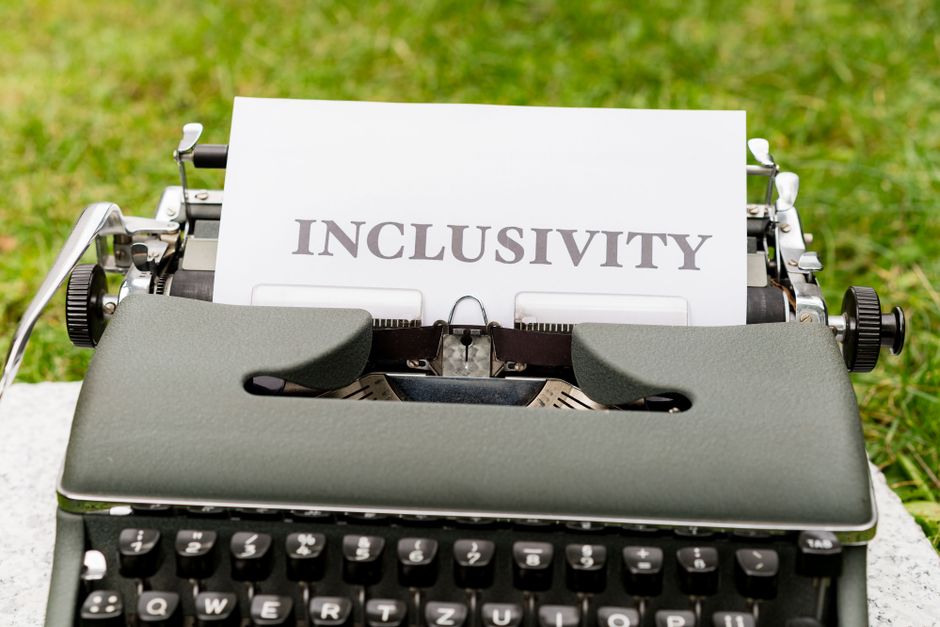
Photo by Markus Winkler on Pexels
- Equity: This isn't just equality. Equality means treating everyone the same. Equity means providing different levels of support based on individual needs to achieve fair outcomes. For example, a student with a learning disability might need different resources than a student without one to reach the same learning goals.
- Access: This refers to the ability of all individuals to enroll in and attend educational institutions. This includes overcoming geographical, financial, cultural, and physical barriers. Think about rural students, students from low-income families, or those with mobility challenges.
- Inclusion: This is about creating an environment where all learners feel valued, respected, and supported, and where their diverse needs are met. It goes beyond just being physically present; it's about active participation, belonging, and success for everyone. This involves curriculum design, teaching methods, and school culture.
Barriers to Equity, Access, and Inclusion

Photo by Jakub Pabis on Pexels
Many factors prevent people from accessing and benefiting from education. These can be systemic, societal, or individual.
- Socio-economic Barriers: Poverty, lack of funds for fees, uniforms, or transport.
- Geographical Barriers: Distance to schools, lack of infrastructure in remote areas.
- Disability Barriers: Lack of accessible infrastructure, appropriate learning materials, or trained teachers.
- Gender Barriers: Cultural norms, early marriage, lack of safe sanitation facilities for girls.
- Cultural & Linguistic Barriers: Education not delivered in a mother tongue, culturally irrelevant curriculum.
- Conflict & Emergency Situations: Displacement, destruction of schools, trauma.
- Systemic Biases: Discriminatory policies, lack of teacher training in inclusive practices.
Strategies for Promoting Equity, Access, and Inclusion

Photo by Moe Magners on Pexels
Addressing these barriers requires multi-faceted approaches.
- Policy & Legislation: Developing and enforcing laws that guarantee the right to education for all, prohibit discrimination, and mandate inclusive practices.
- Financial Support: Scholarships, fee waivers, cash transfers to families, free school meals.
- Infrastructure Development: Building accessible schools, providing transport, establishing remote learning centers.
- Curriculum & Pedagogy: Developing culturally relevant curricula, using diverse teaching methods, implementing Universal Design for Learning (UDL) principles, promoting mother-tongue instruction.
- Teacher Training & Professional Development: Equipping educators with skills to teach diverse learners, manage inclusive classrooms, and identify specific learning needs.
- Community Engagement: Involving parents and local communities in educational planning and support.
- Technology Integration: Using digital tools to bridge geographical gaps, provide alternative learning formats, and create accessible materials.
graph TD
    A["Factors Affecting Education for Development"] --> B["Barriers to EAI"]
    A --> C["Strategies for EAI"]

    B --> B1["Socio-economic (Poverty, Fees)"]
    B --> B2["Geographical (Distance, Infrastructure)"]
    B --> B3["Disability (Accessibility, Materials)"]
    B --> B4["Gender (Culture, Safety)"]
    B --> B5["Cultural/Linguistic (Curriculum, Language)"]
    B --> B6["Systemic (Policy Biases, Training Gaps)"]

    C --> C1["Policy & Legislation (Rights, Non-Discrimination)"]
    C --> C2["Financial Support (Scholarships, Cash Transfers)"]
    C --> C3["Infrastructure (Accessible Schools, Transport)"]
    C --> C4["Curriculum & Pedagogy (UDL, Mother Tongue)"]
    C --> C5["Teacher Training (Inclusive Practices)"]
    C --> C6["Community Engagement (Parental Involvement)"]
    C --> C7["Technology Integration (Remote Learning, Accessibility)"]

    B1 & B2 & B3 & B4 & B5 & B6 -- exacerbate --> D["Unequal Educational Outcomes"]
    C1 & C2 & C3 & C4 & C5 & C6 & C7 -- mitigate --> E["Equitable, Accessible, Inclusive Education"]
    E -- leads to --> F["Sustainable Human Development"]
3. Worked Example
Imagine a rural community in a developing country where most children, especially girls, don't complete primary school. The nearest school is 10km away, requires a small fee, and all lessons are in the national language, not the local dialect spoken at home. Many children have undiagnosed mild disabilities, and teachers aren't equipped to support them.
To address this, an NGO partners with the local government.
1. Access: They build a smaller satellite school closer to the community, provide free bicycle loans for older students, and waive all school fees.
2. Equity: They introduce a morning program teaching literacy in the local dialect for the first two years, gradually transitioning to the national language. They train teachers in basic inclusive practices and provide simple learning aids for students struggling with sight or hearing.
3. Inclusion: They work with community leaders to raise awareness about the importance of girls' education, establishing safe walking groups for girls and ensuring separate, clean toilets at the school. They also involve parents in school management committees to discuss curriculum and school needs.
As a result, enrolment rates, especially for girls, increase significantly, and more children complete primary school, feeling more connected to their learning environment.
4. Key Takeaways
- Equity goes beyond equality; it means providing targeted support to ensure fair outcomes for all learners.
- Access involves removing physical, financial, and cultural barriers to entering and participating in education.
- Inclusion ensures all learners feel valued, respected, and can fully participate and succeed in the learning environment.
- Multiple interconnected barriers, from poverty to disability, often prevent equitable and inclusive education.
- Effective strategies combine policy changes, financial aid, infrastructure improvements, and teacher development.
- Technology offers powerful tools to expand access and create more inclusive learning experiences.
- True development hinges on every individual's ability to access and succeed in quality education.
Common Mistakes to Avoid:
- Don't confuse equality (same treatment) with equity (fair treatment based on need).
- Overlooking the importance of local context and community engagement; solutions aren't one-size-fits-all.
- Focusing solely on physical access without addressing the quality and relevance of education.
- Neglecting the training and support needs of teachers for inclusive practices.
- Implementing policies without adequate monitoring and evaluation of their impact on marginalized groups.
5. Now Try It
Choose a specific marginalized group (e.g., children with disabilities, refugees, indigenous communities) in a developing country context. Spend 15 minutes brainstorming three key barriers to their educational access and inclusion. Then, propose one specific, actionable strategy for each barrier, explaining how it would promote equity, access, or inclusion for that group. What would success look like for each strategy?
Frequently asked about Equity, Access, and Inclusion in Education for Development
More from i need notes for unit 1 to unit 4 for ened6122
Get the full i need notes for unit 1 to unit 4 for ened6122 curriculum
Clone the complete plan to your dashboard for unlimited AI-generated notes, practice quizzes, and a personalised revision schedule.
Create Free Account