Molecular Genetics Techniques and Applications
From the Genetics and evolution curriculum
Molecular Genetics Techniques and Applications
TL;DR
Molecular genetics techniques let us study DNA, RNA, and proteins directly, revealing how genes work and influence traits. Key methods like PCR and sequencing allow for gene amplification and deciphering genetic codes. These tools are crucial for everything from disease diagnosis to genetic engineering.
1. The Mental Model
Think of molecular genetics techniques as a toolkit for looking at the blueprint (DNA), the instructions made from it (RNA), and the workers built from those instructions (proteins). You're zooming in to see, copy, cut, paste, and read these tiny molecular components.
2. The Core Material
Molecular genetics is all about manipulating and analyzing DNA, RNA, and proteins. We use specific tools to answer questions about gene function, variation, and expression.
DNA Amplification: PCR
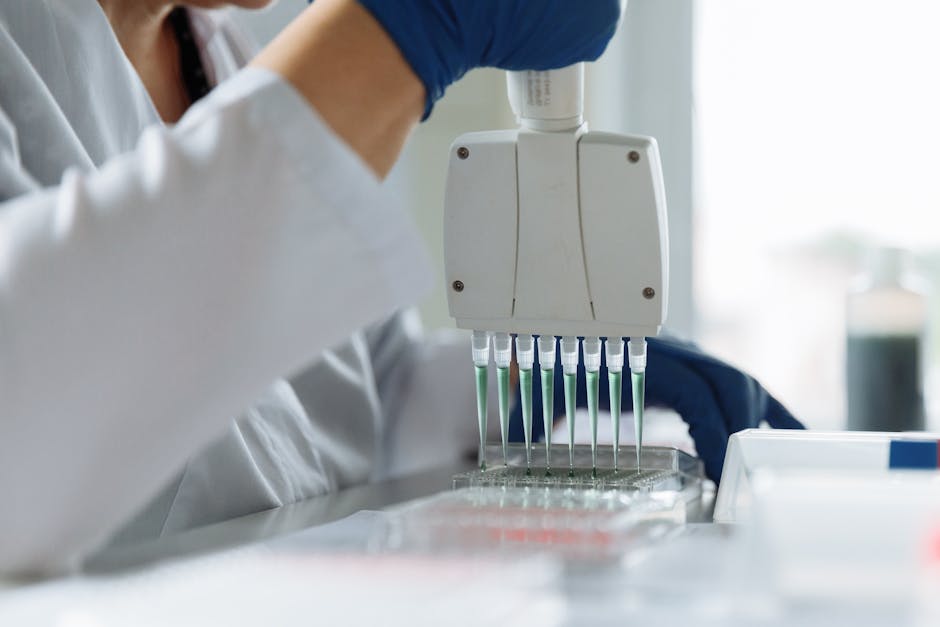
Photo by Thirdman on Pexels
Polymerase Chain Reaction (PCR) is like a molecular copy machine. It lets you take a tiny amount of DNA and make millions of copies of a specific region very quickly. This is essential for studying rare DNA samples or getting enough material for other tests.
How it works:
1. Denaturation: Heat DNA to separate its two strands.
2. Annealing: Cool so short DNA pieces called "primers" can stick to specific spots on the single strands. These primers mark the start and end of the region you want to copy.
3. Extension: Raise temperature slightly, and a DNA polymerase enzyme extends new DNA strands from the primers, using the original strands as templates.
4. Repeat: Cycle these steps (denature, anneal, extend) many times. Each cycle doubles the amount of target DNA.
DNA Sequencing: Reading the Genetic Code

Photo by Nicola Narracci on Pexels
DNA sequencing determines the exact order of nucleotides (A, T, C, G) in a DNA molecule. The most common method, Sanger sequencing (or chain-termination sequencing), uses modified nucleotides that stop DNA synthesis at specific points, allowing you to deduce the sequence. Next-generation sequencing (NGS) technologies can sequence entire genomes much faster and cheaper.
Gene Expression Analysis: RT-PCR and qPCR
Photo by Thirdman on Pexels
To understand what genes are "active" (expressed), we look at RNA. RNA is less stable than DNA, so we often convert it back to DNA using reverse transcriptase in a process called Reverse Transcription PCR (RT-PCR). This makes a DNA copy (cDNA) from an RNA template, which can then be amplified by regular PCR.
Quantitative PCR (qPCR) is a version of PCR that measures the amount of DNA amplified in real-time, letting you quantify how much initial DNA (or RNA, via RT-qPCR) was present. This is crucial for comparing gene activity between different conditions.
Genetic Engineering: CRISPR-Cas9
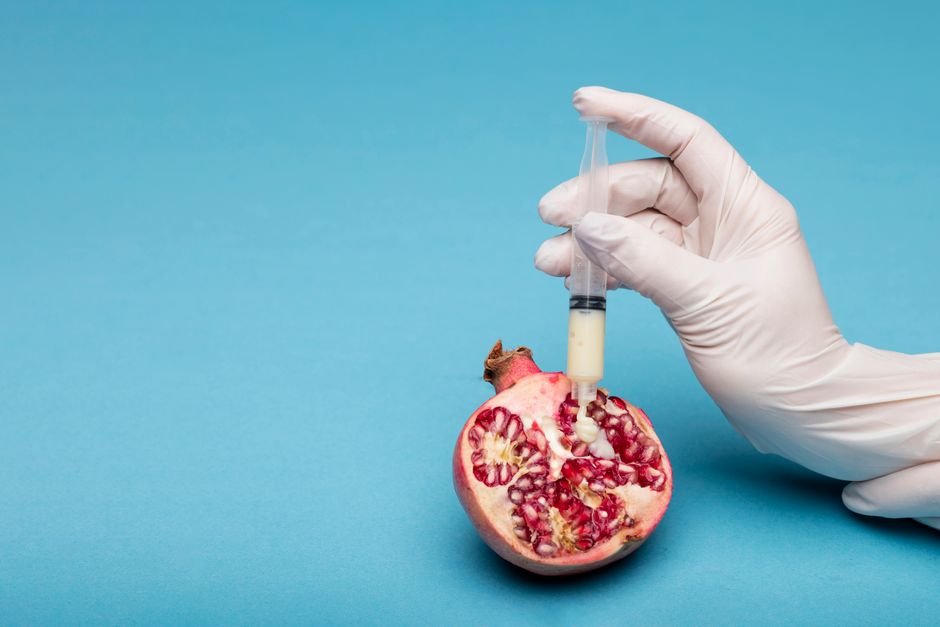
Photo by Deon Black on Pexels
CRISPR-Cas9 is a revolutionary gene-editing tool. It uses a guide RNA molecule to direct a Cas9 enzyme to a specific DNA sequence, where it can cut the DNA. This cut can then be repaired by the cell's own mechanisms, potentially leading to:
* Gene knockout: Inactivating a gene by introducing errors during repair.
* Gene insertion/correction: Adding or changing a specific DNA sequence.
graph TD
    A["Problem: Need to analyze/modify DNA/RNA"] --> B{"Choose Technique"};

    B --> C["Amplify specific DNA?"];
    C -- Yes --> D["PCR"];

    B --> E["Read DNA sequence?"];
    E -- Yes --> F["DNA Sequencing (Sanger/NGS)"];

    B --> G["Measure gene activity (RNA)?"];
    G -- Yes --> H["RT-PCR (cDNA synthesis)"];
    H --> I["qPCR (quantify gene expression)"];

    B --> J["Edit specific genes?"];
    J -- Yes --> K["CRISPR-Cas9 (gene editing)"];

    D --> L["Applications: Disease detection, forensics, cloning"];
    F --> L;
    I --> L;
    K --> L;
3. Worked Example
Let's say you're a forensic scientist and you've found a tiny blood sample at a crime scene. You need to identify the suspect using DNA.
- Problem: You have only a minute amount of DNA, not enough for direct analysis.
- Solution: PCR. You'd extract the DNA and then use PCR to amplify specific short tandem repeat (STR) regions. These are highly variable regions of DNA unique to individuals. You design primers that flank these STRs. After 25-30 cycles of PCR, you'll have millions of copies of each STR marker from the suspect's DNA.
- Next Step: Analysis. You then run the amplified DNA fragments on a gel or through a capillary electrophoresis machine. Different lengths of STRs will migrate differently, creating a unique "DNA fingerprint" for the suspect.
- Comparison: You compare this DNA fingerprint to those of potential suspects or a DNA database. If a match is found, you have strong evidence linking the individual to the crime scene.
4. Key Takeaways
- PCR is your go-to for rapidly making many copies of a specific DNA segment from a small starting amount.
- DNA sequencing reveals the exact order of A, T, C, G bases in a DNA molecule, crucial for understanding genetic information.
- RT-PCR and qPCR let you measure gene expression by first converting RNA to DNA, then quantifying it.
- CRISPR-Cas9 is a powerful tool for precisely editing genes by cutting DNA at specific locations.
- These techniques are foundational for diagnostics, forensic science, genetic engineering, and basic research.
Common Mistakes to Avoid:
- Not using controls: Always include positive and negative controls in your experiments (e.g., in PCR, a sample with known DNA and one with no DNA).
- Poor primer design: Incorrectly designed primers in PCR or sequencing can lead to no amplification, non-specific amplification, or incorrect sequencing results.
- Contamination: Working with DNA/RNA requires strict sterile techniques; even tiny amounts of foreign DNA can ruin your results.
- Misinterpreting quantitative data: Understand that 'presence' doesn't always mean 'functional activity' and that relative quantities from qPCR need careful normalization.
5. Now Try It
Imagine you're trying to determine if a specific gene, "GeneX," is more active in cancer cells compared to healthy cells. Design an experiment using the techniques you've learned.
What to do: Describe the step-by-step process you'd follow, starting from cell collection and ending with a conclusion about GeneX's activity. Be specific about which techniques you'd use at each stage.
What success looks like: You'll have a clear, logical sequence of steps that correctly applies RT-PCR and qPCR to measure and compare gene expression levels in the two cell types.
Frequently asked about Molecular Genetics Techniques and Applications
More from Genetics and evolution
Get the full Genetics and evolution curriculum
Clone the complete plan to your dashboard for unlimited AI-generated notes, practice quizzes, and a personalised revision schedule.
Create Free Account