Periodic Table: Groups and Element Properties
From the introduction curriculum
Periodic Table: Groups and Element Properties
TL;DR
The Periodic Table organizes elements based on their atomic number, with elements in the same vertical group sharing similar chemical properties due to their electron configurations. Understanding these groups helps predict how elements will behave and react.
1. The Mental Model
Think of the Periodic Table like a filing cabinet for elements. Each drawer (a group) contains elements with similar characteristics, making it easy to find and predict their behavior.
2. The Core Material
The Periodic Table isn't just a jumble of elements; it's a highly organized map. The most important organizing principle we're looking at today is groups, which are the vertical columns.
Elements in the same group have the same number of valence electrons – those are the electrons in the outermost shell. It's these valence electrons that largely determine an element's chemical reactivity and how it will bond with other elements. Because elements in a group share this crucial feature, they tend to have very similar chemical properties.
Here's a quick rundown of some key groups and their general characteristics:
2.1 Alkali Metals (Group 1)

Photo by Lukas Blazek on Pexels
These are soft, shiny, and highly reactive metals. They readily lose their single valence electron, forming positive ions (cations) with a +1 charge. They react vigorously with water. Examples: Sodium (Na), Potassium (K).
2.2 Alkaline Earth Metals (Group 2)
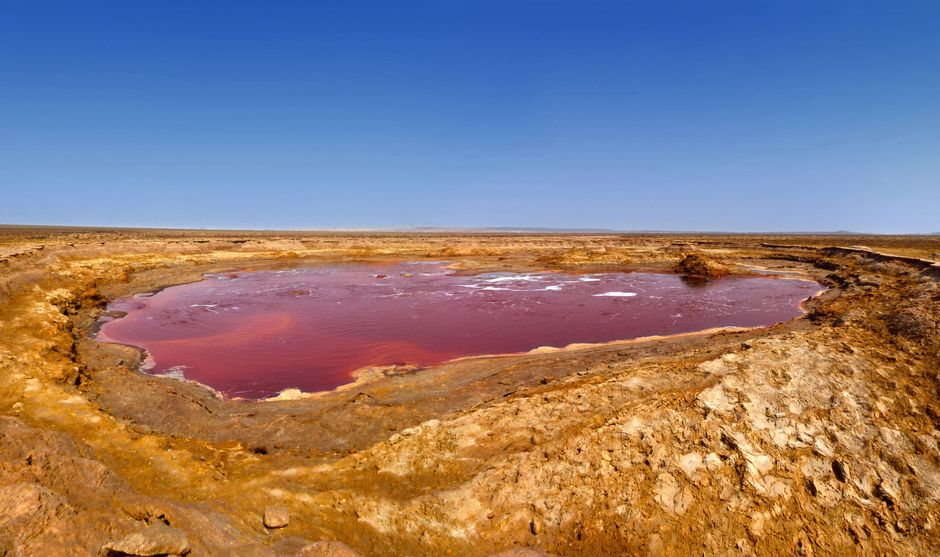
Photo by Atypeek Dgn on Pexels
Also reactive metals, but slightly less so than alkali metals. They have two valence electrons, which they tend to lose to form +2 ions. Examples: Magnesium (Mg), Calcium (Ca).
2.3 Halogens (Group 17)
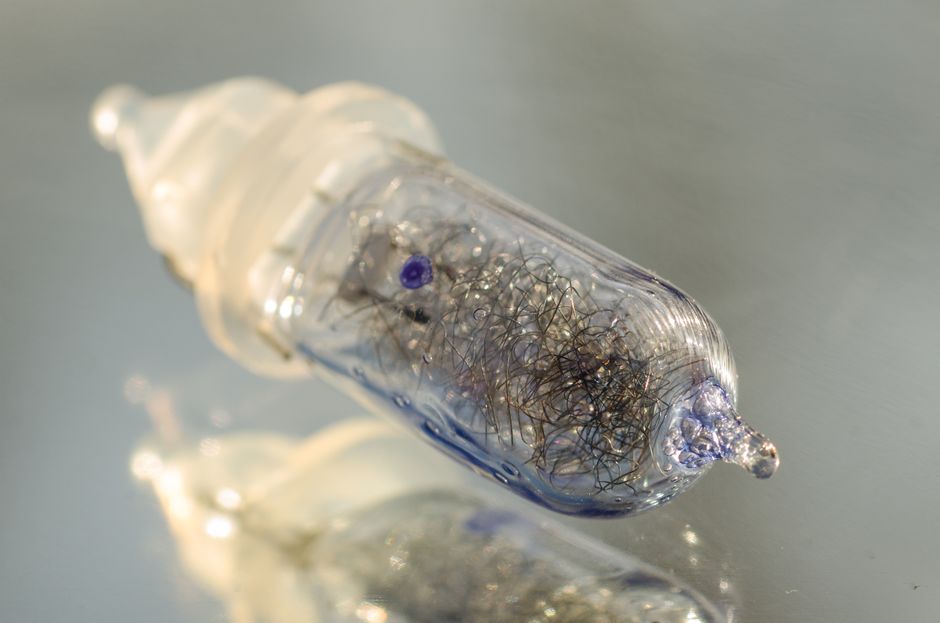
Photo by ClickerHappy on Pexels
These are highly reactive nonmetals. They have seven valence electrons and readily gain one electron to form negative ions (anions) with a -1 charge. They often exist as diatomic molecules (e.g., Cl₂). Examples: Chlorine (Cl), Iodine (I).
2.4 Noble Gases (Group 18)

Photo by Reginaldo Lustosa on Pexels
These elements are almost completely unreactive. They have a full outer shell of eight valence electrons (except Helium, which has two), making them very stable. They're often called "inert" gases. Examples: Neon (Ne), Argon (Ar).
2.5 Transition Metals (Groups 3-12)
These metals are generally hard, strong, and good conductors of heat and electricity. They often form colored compounds and can have multiple positive oxidation states (meaning they can lose different numbers of electrons). Examples: Iron (Fe), Copper (Cu), Gold (Au).
This diagram shows how properties generally change across the table.
graph TD
    A["Atomic Number (Z) Increases"] --> B["Moving Left to Right Across a Period"]
    B --> C["Electronegativity Generally Increases"]
    B --> D["Ionization Energy Generally Increases"]
    B --> E["Atomic Radius Generally Decreases"]
    F["Moving Down a Group"] --> G["Atomic Radius Generally Increases"]
    F --> H["Reactivity of Metals Generally Increases"]
    F --> I["Reactivity of Nonmetals Generally Decreases"]
    G --> J["Electronegativity Generally Decreases"]
    G --> K["Ionization Energy Generally Decreases"]
3. Worked Example
Let's say you're given an unknown element, 'X', and told it reacts violently with water, producing hydrogen gas and a strongly basic solution. You also know it forms an ionic compound with chlorine with the formula XCl.
Based on this information:
1. "Reacts violently with water": This is characteristic of highly reactive metals, especially alkali metals.
2. "Produces hydrogen gas and a strongly basic solution": This further points to alkali metals.
3. "Forms an ionic compound with chlorine with the formula XCl": Since chlorine typically forms a -1 ion (Cl⁻), for the compound to be XCl, X must form a +1 ion (X⁺).
Putting it together, an element that is a highly reactive metal, forms a +1 ion, and reacts violently with water is very likely an Alkali Metal (Group 1).
4. Key Takeaways
- Groups are vertical columns on the Periodic Table, and elements within a group share similar chemical properties.
- The number of valence electrons largely dictates an element's chemical behavior.
- Alkali metals (Group 1) are highly reactive, soft metals that form +1 ions.
- Halogens (Group 17) are highly reactive nonmetals that form -1 ions.
- Noble gases (Group 18) are unreactive due to their full outer electron shells.
- Properties like atomic radius, electronegativity, and ionization energy show predictable trends across periods and down groups.
Common Mistakes to Avoid:
- Confusing groups (vertical) with periods (horizontal rows).
- Assuming all elements in a group are identical; properties are similar, but not the same.
- Forgetting that valence electrons are the key to understanding group similarities.
- Thinking that "reactive" means the same thing for metals and nonmetals (metals lose electrons, nonmetals gain them).
5. Now Try It
Imagine you find an element, 'Y', that is a brittle solid at room temperature, conducts electricity poorly, and readily reacts with Sodium (Na) to form a compound with the formula Na₂Y. What group is element Y most likely in, and why? What would you predict about its reactivity with Potassium (K)? Write down your reasoning.
Frequently asked about Periodic Table: Groups and Element Properties
More from introduction
Get the full introduction curriculum
Clone the complete plan to your dashboard for unlimited AI-generated notes, practice quizzes, and a personalised revision schedule.
Create Free Account