"course_name": "Systema ng mga ekonomiks",
From the Systema ng mga ekonomiks curriculum
Basic Economic Concepts
TL;DR
Economics is about how societies manage scarce resources to satisfy unlimited wants. You'll learn about scarcity, choice, opportunity cost, and the fundamental questions an economy must answer. These basic ideas help you understand how people and countries make decisions.
1. The Mental Model
Imagine you have limited money but many things you want to buy. Economics is that exact problem, but for entire countries. It's about making smart choices with what you have because you can't have everything.
2. The Core Material
Economic systems are built on some fundamental ideas. Understanding these helps you make sense of all economic activity, from your daily purchases to global trade.
Scarcity and Choice
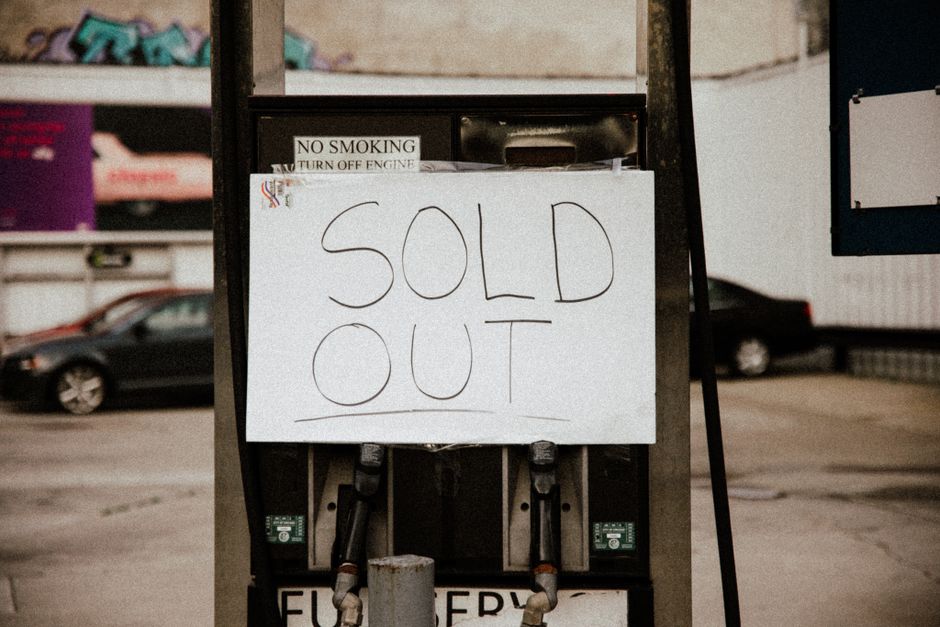
Photo by K on Pexels
The most basic economic concept is scarcity. This means that human wants for goods, services, and resources exceed what's available. Think about it: you want a new phone, a video game, and a vacation, but you only have so much money. Resources (like time, money, natural materials, labor) are limited, but our desires are not.
Because of scarcity, you have to make choices. You can't have everything, so you choose what's most important or what gives you the most satisfaction. Every economic decision, big or small, comes down to making a choice in the face of scarcity.
Opportunity Cost

Photo by Jakub Zerdzicki on Pexels
When you make a choice, you're giving something else up. That "something else" is called opportunity cost. It's the value of the next best alternative you didn't choose.
For example, if you spend your last $20 on a movie ticket, your opportunity cost might be the delicious pizza you could have bought instead. It's not just about money; if you spend an hour studying economics, your opportunity cost might be an hour you could have spent watching TV or exercising. Opportunity cost is crucial because it highlights the real cost of any decision.
Factors of Production
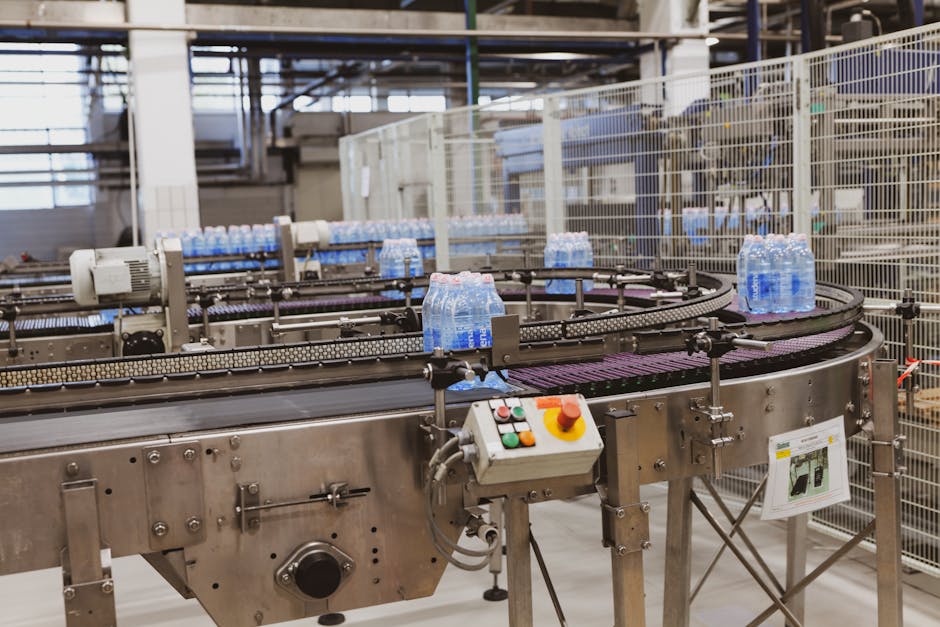
Photo by Vladimir Srajber on Pexels
To produce goods and services, an economy needs resources. These are known as the factors of production:
- Lupa (Land): Natural resources like actual land, minerals, water, and forests.
- Paggawa (Labor): The human effort (physical and mental) used in production.
- Kapital (Capital): Human-made resources used to produce other goods and services, like machines, tools, factories, and infrastructure. It's not just money, though money can buy capital.
- Entrepreneurship (Kasanayan sa Pagnenegosyo): The ability to combine the other factors of production, take risks, and innovate to create new businesses or products.
Three Basic Economic Questions

Photo by Ann H on Pexels
Every society, no matter its size or political system, must answer these three fundamental questions due to scarcity:
graph TD
    A["Ano? (What to produce?)"] --> B["Paano? (How to produce it?)"]
    B --> C["Para Kanino? (For whom to produce?)"]
- Ano? (What to produce?): Out of all the possible goods and services, which ones will be produced and in what quantities? Will a country focus on agriculture, manufacturing, or technology?
- Paano? (How to produce it?): What methods and resources will be used? Will production be labor-intensive or capital-intensive? Will it use sustainable methods?
- Para Kanino? (For whom to produce?): How will the goods and services be distributed among the population? Will everyone get an equal share, or will those who contribute more get more?
The way a society answers these questions determines its economic system (e.g., traditional, command, market, or mixed).
3. Worked Example
Let's say you've saved up ₱500. You have three options for how to spend it this Saturday:
- Buy a new book you've been wanting (₱500).
- Go to a concert with friends (₱500).
- Treat yourself to a nice meal (₱500).
After much thought, you decide to go to the concert with your friends.
- Choice: Attending the concert.
- Scarcity: Your ₱500 is limited, and you can only pick one option. Your time on Saturday is also limited.
- Opportunity Cost: If the book was your second favorite option, then the opportunity cost of going to the concert is the book you didn't get to buy. You gave up the satisfaction of reading that new book to enjoy the concert. The nice meal is not the opportunity cost because it was your third choice. It's always the next best alternative.
4. Key Takeaways
- Scarcity means there aren't enough resources to satisfy all human wants.
- Because of scarcity, every person and society must make choices.
- Opportunity cost is the value of the next best alternative you didn't choose when making a decision.
- The factors of production are land, labor, capital, and entrepreneurship – the ingredients for making things.
- Every economy must decide what, how, and for whom to produce.
- These basic concepts are the foundation for understanding all economic behavior.
5. Now Try It
Imagine you're designing a budget for your city's government. You have a fixed amount of tax money (your scarce resource). List three major projects the city could fund (e.g., new park, hospital renovation, better public transport, school upgrades). Then, choose which one you'd fund and clearly state its opportunity cost. Explain your reasoning for your choice and why the opportunity cost is what it is.
Success looks like: You've identified a choice, a scarce resource involved, and a single, clear opportunity cost for that choice, along with a brief explanation linking them.
Frequently asked about "course_name": "Systema ng mga ekonomiks",
Study this next
Get the full Systema ng mga ekonomiks curriculum
Clone the complete plan to your dashboard for unlimited AI-generated notes, practice quizzes, and a personalised revision schedule.
Create Free Account