intermediate

Systema ng mga ekonomiks

Comprehensive AI-generated study curriculum with 1 detailed note module.

0 students cloned 1 views 1 notes

Course Syllabus

  1. "course_name": "Systema ng mga ekonomiks",
  2. "topics": [
  3. "name": "Panimula sa Ekonomiks at Pangunahing Konsepto",
  4. "timeframe": "Days 1-5",
  5. "description": "Pag-aaral ng kal

Study Notes

"course_name": "Systema ng mga ekonomiks",

Basic Economic Concepts

TL;DR

Economics is about how societies manage scarce resources to satisfy unlimited wants. You'll learn about scarcity, choice, opportunity cost, and the fundamental questions an economy must answer. These basic ideas help you understand how people and countries make decisions.

1. The Mental Model

Imagine you have limited money but many things you want to buy. Economics is that exact problem, but for entire countries. It's about making smart choices with what you have because you can't have everything.

2. The Core Material

Economic systems are built on some fundamental ideas. Understanding these helps you make sense of all economic activity, from your daily purchases to global trade.

Scarcity and Choice

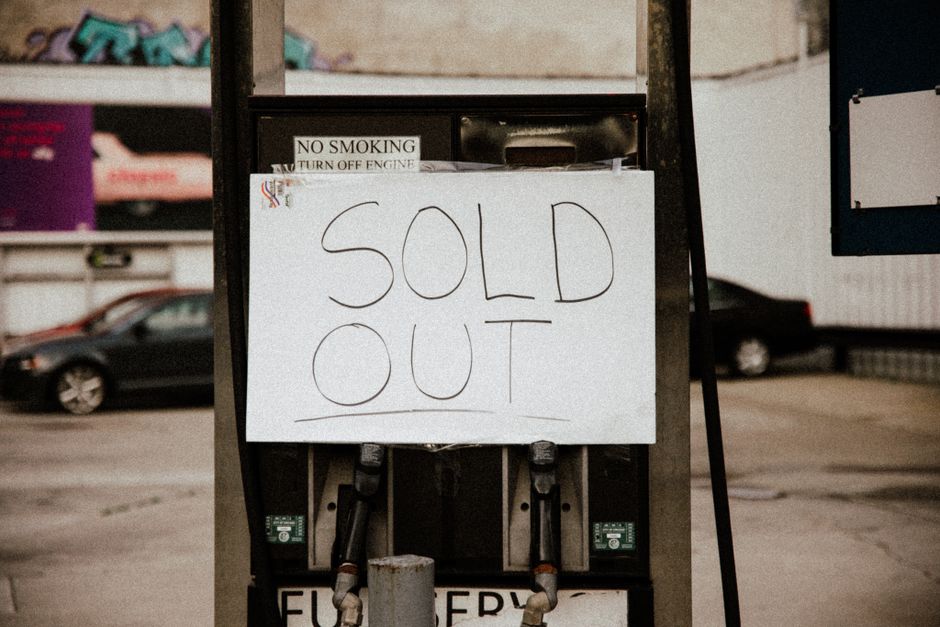
A gas pump at an urban station displaying a 'Sold Out' sign, illustrating fuel shortage.
Photo by K on Pexels

The most basic economic concept is scarcity. This means that human wants for goods, services, and resources exceed what's available. Think about it: you want a new phone, a video game, and a vacation, but you only have so much money. Resources (like time, money, natural materials, labor) are limited, but our desires are not.

Because of scarcity, you have to make choices. You can't have everything, so you choose what's most important or what gives you the most satisfaction. Every economic decision, big or small, comes down to making a choice in the face of scarcity.

Opportunity Cost

Close-up of black miniature houses with Euro notes, representing real estate investment and savings.
Photo by Jakub Zerdzicki on Pexels

When you make a choice, you're giving something else up. That "something else" is called opportunity cost. It's the value of the next best alternative you didn't choose.

For example, if you spend your last $20 on a movie ticket, your opportunity cost might be the delicious

Read full note →