Introduction à la Génétique et aux Concepts Fondamentaux
From the L'origine du génotype des individus curriculum
Introduction à la Génétique et aux Concepts Fondamentaux
TL;DR
Génétique studies how traits pass from parents to offspring. You'll learn about DNA as the blueprint, genes as specific instructions, and how different versions of these instructions lead to variations. We'll cover key terms like genotype, phenotype, alleles, and chromosomes to build a strong foundation.
1. The Mental Model
Think of your body as a complex machine. Genetics is like studying the instruction manual for that machine: where the instructions come from, how they're copied, and how they lead to all your unique features.
2. The Core Material
You know that you inherit characteristics from your parents. This inheritance is the core of genetics. It's the scientific study of heredity, which is how traits are passed down through generations.
At the heart of it all is DNA (acide désoxyribonucléique). This amazing molecule is like the master blueprint for building and operating an organism. It contains all the instructions your body needs.
2.1 Genes and Alleles

Photo by Google DeepMind on Pexels
A gene is a specific segment of DNA that codes for a particular trait or characteristic. For example, there's a gene for eye color, a gene for hair color, and so on.
However, these genes can come in different versions. These different versions are called alleles. Think of it like this: the "eye color gene" is the general instruction, but the "blue allele," "brown allele," or "green allele" are the specific versions of that instruction. You usually get one allele from your mother and one from your father for each gene.
2.2 Genotype and Phenotype
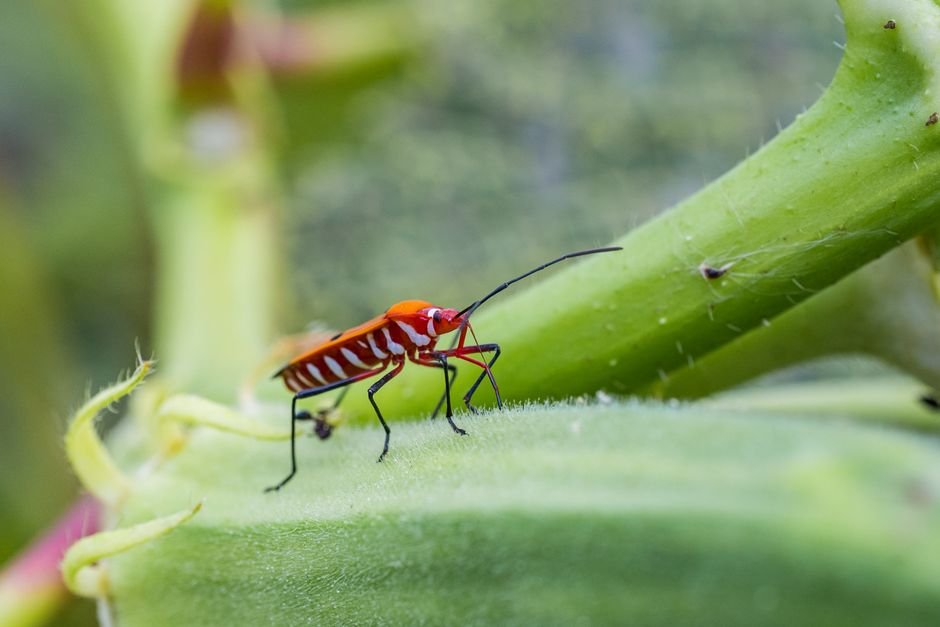
Photo by Pragyan Bezbaruah on Pexels
This is crucial:
* Your genotype is the specific combination of alleles you have for a particular gene. It's your genetic makeup – what's written in your DNA.
* Your phenotype is the observable characteristic that results from your genotype. It's what you actually see. For example, if your genotype for eye color leads to brown eyes, then "brown eyes" is your phenotype.
2.3 Chromosomes
DNA isn't just floating around randomly; it's organized into structures called chromosomes. Humans typically have 46 chromosomes, arranged in 23 pairs. One set of 23 comes from your mother, and the other set of 23 comes from your father. Each chromosome contains many, many genes.
Here's how these concepts link together:
graph TD
    A["Heredity"] --> B["DNA (Blueprint)"]
    B --> C["Organized into Chromosomes"]
    C --> D["Segments are Genes (Instructions for Traits)"]
    D --> E["Different versions are Alleles"]
    E --> F["Allele combo = Genotype"]
    F --> G["Observable trait = Phenotype"]
2.4 Dominant and Recessive Alleles
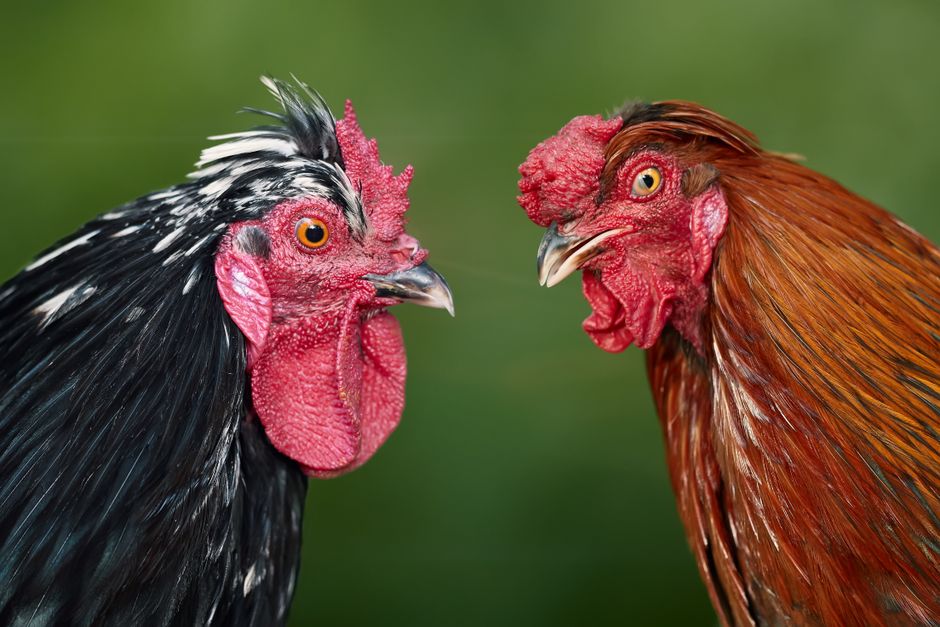
Photo by Erwin Bosman on Pexels
When you have two different alleles for a gene (a heterozygous genotype), one allele might "mask" the effect of the other.
* A dominant allele is one that expresses its phenotype even when only one copy is present (i.e., if you have one dominant allele and one recessive allele, the dominant trait shows up).
* A recessive allele only expresses its phenotype when two copies are present (i.e., you inherit two recessive alleles). If a dominant allele is present, the recessive trait won't show.
If you have two identical alleles (both dominant or both recessive), you're homozygous for that gene.
3. Worked Example
Let's consider pea plant flower color, a classic genetics example.
Suppose the gene for flower color has two alleles:
* 'P' for purple flowers (dominant)
* 'p' for white flowers (recessive)
You have a pea plant. What are the possibilities for its genotype and phenotype?
-
Genotype: PP
- This plant has two dominant alleles.
- Phenotype: Purple flowers (since P is dominant).
-
Genotype: Pp
- This plant has one dominant and one recessive allele.
- Phenotype: Purple flowers (since P is dominant, it masks the 'p').
-
Genotype: pp
- This plant has two recessive alleles.
- Phenotype: White flowers (since no dominant 'P' is present to mask 'p').
So, you can see that different genotypes (PP, Pp, pp) can lead to the same phenotype (purple flowers), but a white flower phenotype always tells you the genotype must be 'pp'.
4. Key Takeaways
- Genetics is the study of how traits are inherited from parents.
- DNA is the genetic material, organized into chromosomes, containing genes.
- A gene is a segment of DNA coding for a trait; alleles are different versions of a gene.
- Your genotype is your genetic code (allele combination), while your phenotype is the observable trait.
- Dominant alleles express their trait even with one copy; recessive alleles only express when two copies are present.
- Homozygous means having two identical alleles; heterozygous means having two different alleles.
5. Now Try It
Think about human traits like attached versus unattached earlobes. If unattached earlobes (U) are dominant over attached earlobes (u), what are the possible genotypes for someone with unattached earlobes? What's the only possible genotype for someone with attached earlobes?
What success looks like: You should be able to list two possible genotypes for unattached earlobes and one definite genotype for attached earlobes, and briefly explain why.
Frequently asked about Introduction à la Génétique et aux Concepts Fondamentaux
Study this next
Get the full L'origine du génotype des individus curriculum
Clone the complete plan to your dashboard for unlimited AI-generated notes, practice quizzes, and a personalised revision schedule.
Create Free Account