USA:s Framväxt som Ekonomisk Stormakt
From the 1 världskriget curriculum
USA:s Framväxt som Ekonomisk Stormakt
TL;DR
The First World War drastically altered global economics, propelling the US from a debtor nation to the world's leading creditor and industrial power. Europe's wartime destruction and borrowing left it weakened, while the US experienced an economic boom fueled by war production and trade. This shift established the US as a dominant force, profoundly influencing the 20th century.
1. The Mental Model
Imagine Europe as a struggling business hit by a huge disaster, while the US is a thriving supplier benefiting immensely. Europe's collapse forces it to borrow heavily from the US, making the US the new financial powerhouse.
2. The Core Material
Before World War I, European nations, especially Great Britain, were the world's dominant economic powers, serving as major lenders and industrial hubs. The US, while growing, was still largely a debtor nation, relying on European investment. However, the outbreak of the war in 1914 dramatically reversed these roles, setting the stage for the "American Century."
Impact on European Economies

Photo by Markus Winkler on Pexels
The war devastated Europe. Industrial output was redirected to military production, civilian industries suffered, and vast amounts of capital were consumed by the war effort. Infrastructure was destroyed, and millions of workers were lost. European nations needed massive loans to finance their war efforts and rebuild afterwards. They borrowed heavily, primarily from the United States. This transformed Europe from a creditor to a massive debtor.
The American Economic Boom
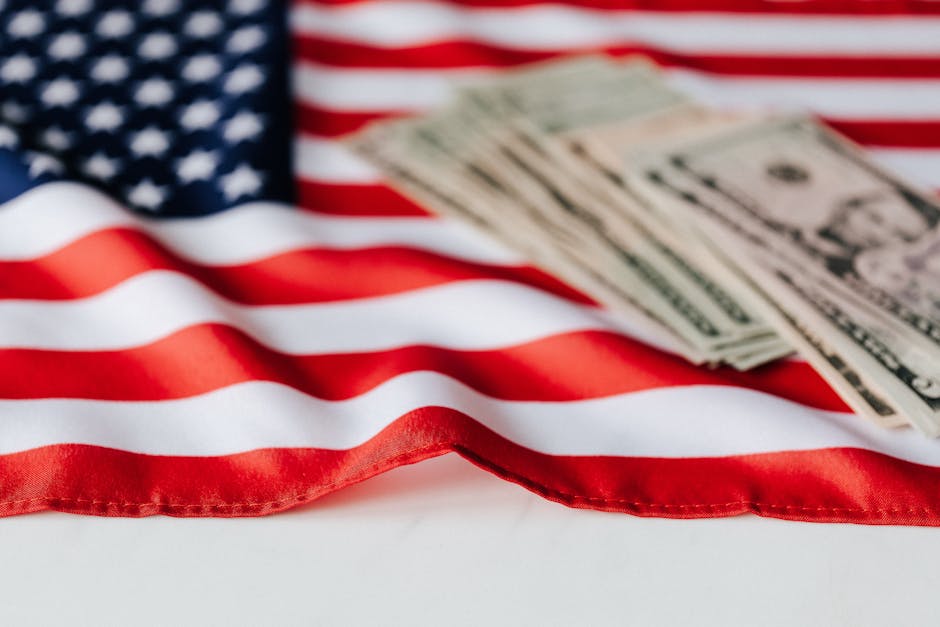
Photo by https://kaboompics.com/ on Pexels
The US, initially neutral, became the primary supplier of goods to the warring European nations. American factories ramped up production of weapons, ammunition, food, and raw materials. This led to an unprecedented economic boom, creating jobs, increasing industrial capacity, and generating immense wealth. American exports skyrocketed, and the US accumulated vast gold reserves as payment.
From Debtor to Creditor Nation
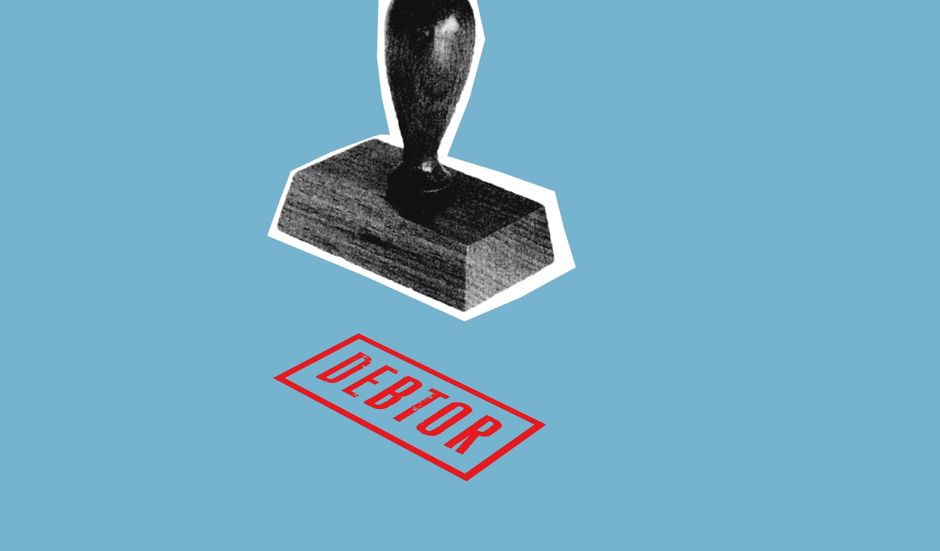
Photo by Monstera Production on Pexels
Perhaps the most significant shift was the US moving from being a net debtor (owing more to others than others owed it) to the world's largest net creditor. European nations owed billions of dollars to the US government and private American banks. This financial leverage gave the US immense influence on global economic and political affairs.
Increased Industrial Output and Innovation

Photo by Abdur Rashid on Pexels
The demands of war accelerated industrial growth and technological innovation in the US. New manufacturing techniques, like mass production, were refined. Industries such as steel, chemicals, and automotive saw rapid expansion. This made the US a global manufacturing leader, surpassing even pre-war industrial giants like Germany and Britain.
The Role of Trade and Investment
American trade expanded globally, filling voids left by disrupted European economies. US businesses began investing more overseas, further extending their economic reach. The dollar gained prominence as a global currency, gradually challenging the British pound.
graph TD
    A["Pre-WWI Europe (Creditor/Industrial Hub)"] --> B["Pre-WWI USA (Debtor/Growing)"]
    B --> A["European Investment in USA"]
    A -- "War breaks out (1914)" --> C["European Nations (Massive War Costs & Destruction)"]
    C --> D["USA (Neutral Supplier/Booming Industry)"]
    D -- "Loans & Exports" --> C
    C -- "Post-War Debt" --> E["Post-WWI USA (World's #1 Creditor)"]
    D --> F["Increased US Industrial Capacity & Wealth"]
    F --> E
    E --> G["Global Economic Dominance"]
3. Worked Example
Consider the financial shift: Before WWI, the United States owed other nations approximately $3 billion. By the end of the war, European nations collectively owed the US over $10 billion (in 1919 dollars) in war debts and loans. This swing of over
Frequently asked about USA:s Framväxt som Ekonomisk Stormakt
More from 1 världskriget
Get the full 1 världskriget curriculum
Clone the complete plan to your dashboard for unlimited AI-generated notes, practice quizzes, and a personalised revision schedule.
Create Free Account