Cirrhosis of the Liver
From the med surg curriculum
Cirrhosis of the Liver
TL;DR
Cirrhosis is irreversible scarring of your liver, replacing healthy tissue with dysfunctional fibrous tissue. This damage makes it hard for your liver to do its many vital jobs, leading to serious health problems. Managing cirrhosis involves treating the cause, preventing further damage, and managing complications.
1. The Mental Model
Think of your liver as a super-efficient filter and processing plant. Cirrhosis is like that plant getting severe, widespread scar tissue, blocking pipes and damaging machinery, making it unable to filter or process things properly. This buildup of "stuff" and breakdown of normal functions causes widespread issues in your body.
2. The Core Material
Cirrhosis is the end-stage of many chronic liver diseases. It's when healthy liver tissue is progressively replaced by fibrotic (scar) tissue, leading to impaired liver function and altered blood flow. This damage is usually irreversible.
Causes of Cirrhosis

Photo by cottonbro studio on Pexels
Understanding the causes helps you grasp prevention and treatment.
* Alcoholic Liver Disease: Chronic, excessive alcohol consumption. Your liver processes alcohol, and too much damages it.
* Non-Alcoholic Steatohepatitis (NASH): This is a severe form of non-alcoholic fatty liver disease (NAFLD), often linked to obesity, diabetes, and high cholesterol. It's essentially fat in the liver causing inflammation and damage.
* Viral Hepatitis (Hepatitis B and C): Chronic infections can lead to ongoing inflammation and liver damage over many years.
* Biliary Cirrhosis (Primary Biliary Cholangitis - PBC, Primary Sclerosing Cholangitis - PSC): These are autoimmune conditions where the bile ducts in your liver are damaged, causing bile to back up and injure liver cells.
* Genetic Conditions: Hemochromatosis (iron overload) and Wilson's disease (copper overload) can cause liver damage if untreated.
* Medications/Toxins: Long-term exposure to certain drugs or environmental toxins.
Pathophysiology
The scarring in cirrhosis isn't just cosmetic; it significantly alters liver architecture and function.
1. Fibrosis: Healthy liver cells (hepatocytes) are destroyed and replaced by collagen and scar tissue. This scar tissue doesn't perform liver functions.
2. Nodules: The remaining healthy liver cells try to regenerate, but they do so in a disorganized way, forming nodules surrounded by scar tissue. This further distorts the liver's structure.
3. Impaired Blood Flow: The scarring and nodules compress the blood vessels within the liver, increasing resistance to blood flow from the portal vein (which brings blood from your digestive system to the liver). This leads to portal hypertension.
4. Functional Impairment: With less healthy tissue, the liver can't perform its many jobs:
* Metabolic: Can't properly process fats, carbs, and proteins.
* Detoxification: Can't effectively remove toxins, drugs, and waste products (like ammonia).
* Synthetic: Can't produce essential proteins like albumin (for fluid balance) and clotting factors.
* Bile production: Impaired bile flow affects fat digestion and vitamin absorption.
Clinical Manifestations and Complications
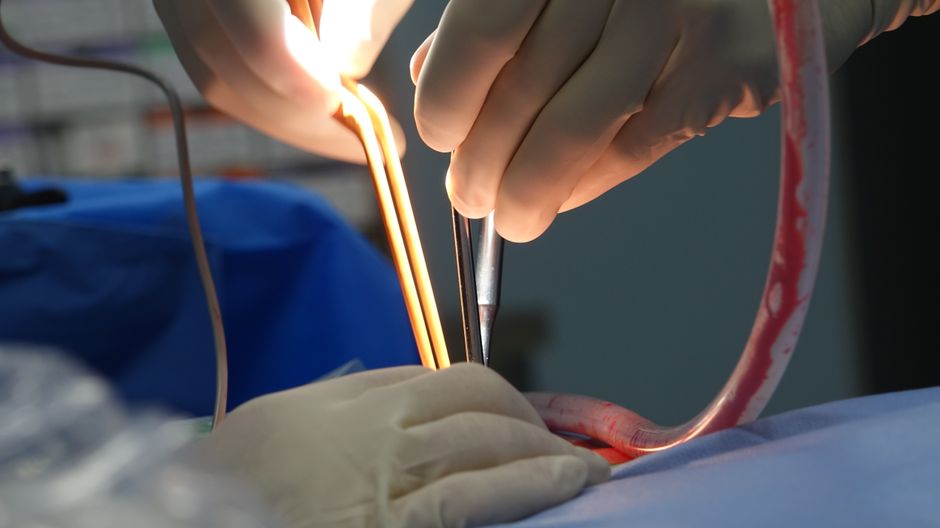
Photo by Viktors Duks on Pexels
The symptoms of cirrhosis often appear late in the disease. When symptoms do show up, they can be varied and severe due to the widespread impact of liver dysfunction.
graph TD
    A["Chronic Liver Injury (e.g., Alcohol, Hep C, NASH)"] --> B["Inflammation & Hepatocyte Damage"]
    B --> C{"Fibrosis (Scar Tissue Formation)"}
    C --> D["Distorted Liver Architecture & Nodule Formation"]
    D --> E["Impaired Liver Function"]
    D --> F["Increased Resistance to Portal Blood Flow (Portal Hypertension)"]

    E --> E1["Reduced Synthesis (Albumin, Clotting Factors)"]
    E --> E2["Impaired Detoxification (Ammonia, Bilirubin)"]
    E --> E3["Impaired Metabolism (Glucose, Lipids)"]

    F --> F1["Ascites (fluid in abdomen)"]
    F --> F2["Esophageal Varices (bleeding risk)"]
    F --> F3["Splenomegaly (low blood counts)"]
    F --> F4["Hepatic Encephalopathy (due to ammonia buildup)"]
    F --> F5["Hepatorenal Syndrome (kidney failure)"]

    E1 --> G["Edema & Ascites"]
    E1 --> H["Bleeding Tendencies"]
    E2 --> I["Jaundice"]
    E2 --> F4
    I --> J["Pruritus (itching)"]

    F1 & G --> K["Fluid Overload Complications"]
    H --> L["Increased Risk of Hemorrhage"]
Management
Management focuses on stopping further damage, managing complications, and supporting liver function.
1. Eliminate the Cause: Stop alcohol intake, treat chronic hepatitis, manage diabetes/obesity for NASH.
2. Nutritional Support: A balanced diet, sometimes with protein restrictions in severe encephalopathy, or vitamin supplements.
3. Fluid & Electrolyte Management: Diuretics for ascites and edema. Sodium restriction.
4. Medications:
* Lactulose/Rifaximin: For hepatic encephalopathy (to reduce ammonia).
* Beta-blockers: To reduce portal pressure and prevent variceal bleeding.
* Diuretics: Furosemide, Spironolactone for ascites.
* Antivirals: For hepatitis B/C.
5. Procedures/Surgery:
* Paracentesis: Drainage of ascitic fluid.
* Endoscopic Band Ligation/Sclerotherapy: For variceal bleeding.
* Transjugular Intrahepatic Portosystemic Shunt (TIPS): A shunt placed in the liver to reduce portal pressure, often for refractory ascites or variceal bleeding.
* Liver Transplant: The definitive treatment for end-stage cirrhosis, if criteria are met.
3. Worked Example
Imagine you're assessing a 58-year-old patient, Mr. Jenkins, admitted with increasing abdominal distension and confusion. His history includes heavy alcohol use for 30 years.
Your Assessment Findings:
* Physical Exam: Large, distended abdomen with a fluid wave (ascites), jaundice (yellow skin/eyes), muscle wasting, spider angiomas on his chest, and palmar erythema (red palms). He's disoriented to time and place, and his speech is slurred.
* Labs:
* Elevated AST/ALT (liver enzymes, though they can normalize in late cirrhosis)
* Elevated Bilirubin (causing jaundice)
* Low Albumin (causing edema/ascites)
* Elevated INR/PT (prolonged clotting time, due to decreased clotting factors)
* Elevated Ammonia (causing encephalopathy)
* Low Platelets (due to splenomegaly)
* Mildly elevated creatinine (early renal impairment)
Your Interpretation & Actions:
Mr. Jenkins clearly has advanced alcoholic cirrhosis with complications.
1. Ascites: The abdominal distension and fluid wave point to ascites, caused by low albumin (osmotic pressure) and portal hypertension (increased hydrostatic pressure). You'd anticipate diuretic therapy (e.g., spironolactone and furosemide) and possibly a therapeutic paracentesis if severe or symptomatic. You'd monitor his weight, abdominal girth, and electrolytes.
2. Hepatic Encephalopathy: His confusion, slurred speech, and elevated ammonia strongly indicate hepatic encephalopathy. You'd administer lactulose (to excrete ammonia in stool) and potentially rifaximin (to reduce ammonia-producing gut bacteria). You'd monitor his mental status closely using a simple scale like the Glasgow Coma Scale or by noting orientation.
3. Bleeding Risk: His low platelets and prolonged INR mean he's at high risk for bleeding, especially if he has varices. You'd ensure a soft toothbrush, electric razor, and avoid IM injections. If varices are suspected, an endoscopy might be ordered.
4. Jaundice: Elevated bilirubin confirms impaired liver excretion. This isn't directly treatable in itself but is a sign of severe liver dysfunction. You'd explain to the patient and family.
5. Underlying Cause: Emphasize strict alcohol abstinence and provide resources for alcohol cessation.
4. Key Takeaways
- Cirrhosis is irreversible scarring of the liver that disrupts its normal structure and function.
- Common causes include chronic alcohol abuse, chronic hepatitis B/C, and non-alcoholic steatohepatitis (NASH).
- Portal hypertension, a major complication, leads to ascites, varices, and splenomegaly.
- Impaired liver function results in jaundice, bleeding tendencies, low albumin, and hepatic encephalopathy.
- Management focuses on treating the underlying cause, preventing further damage, and addressing life-threatening complications.
Common Mistakes to Avoid:
* Underestimating the reversibility: Cirrhosis itself isn't reversible, though some early fibrosis might be. The goal is to halt progression.
* Ignoring subtle signs of encephalopathy: Changes in mood, sleep patterns, or mild confusion can be early indicators; don't wait for coma.
* Aggressive diuretic use in renal impairment: Be cautious with diuretics in patients with rising creatinine, as it can worsen hepatorenal syndrome.
* Overlooking nutritional deficiencies: Patients with cirrhosis are often malnourished and need careful dietary assessment and supplementation.
5. Now Try It
Review the clinical notes of a patient admitted to your unit with cirrhosis. Identify their likely cause of cirrhosis, list all active complications they are experiencing, and outline the specific nursing interventions or medication management strategies being used for each complication. Think about what other assessments you'd prioritize for this patient.
Success looks like: You've clearly identified the cause and all current complications, and you've matched at least three specific interventions/medications to their respective complications, explaining why they're being used. You've also listed two additional relevant assessments.
Frequently asked about Cirrhosis of the Liver
More from med surg
Get the full med surg curriculum
Clone the complete plan to your dashboard for unlimited AI-generated notes, practice quizzes, and a personalised revision schedule.
Create Free Account