Introduction to Economic Activities and Sectors
From the primary economic activites curriculum
Introduction to Economic Activities and Sectors
TL;DR
Economic activities are how people make a living, from getting raw materials to providing services. We group these activities into primary, secondary, tertiary, and quaternary sectors to understand how economies function. Recognizing these sectors helps you see how different jobs connect and contribute to a country's wealth.
1. The Mental Model
Think of an economy like a giant factory that makes and sells everything we use. Different departments handle different stages, from gathering raw stuff to delivering finished products and ideas. These "departments" are the economic sectors.
2. The Core Material
Economic activities are all the things people do to produce goods and services to satisfy their needs and wants. These activities are usually divided into sectors, which helps us understand the structure of an economy and how it evolves.
There are four main economic sectors:
Primary Sector

Photo by Mwesigwa Joel on Pexels
This is the very first step. The primary sector involves extracting or harvesting raw materials directly from the Earth. Think of anything that comes straight from nature.
- Examples: Agriculture (farming, livestock), fishing, forestry, mining, quarrying, oil and gas extraction.
- Characteristics: Often takes place in rural areas, highly dependent on natural resources and climate, and usually involves less processing.
Secondary Sector
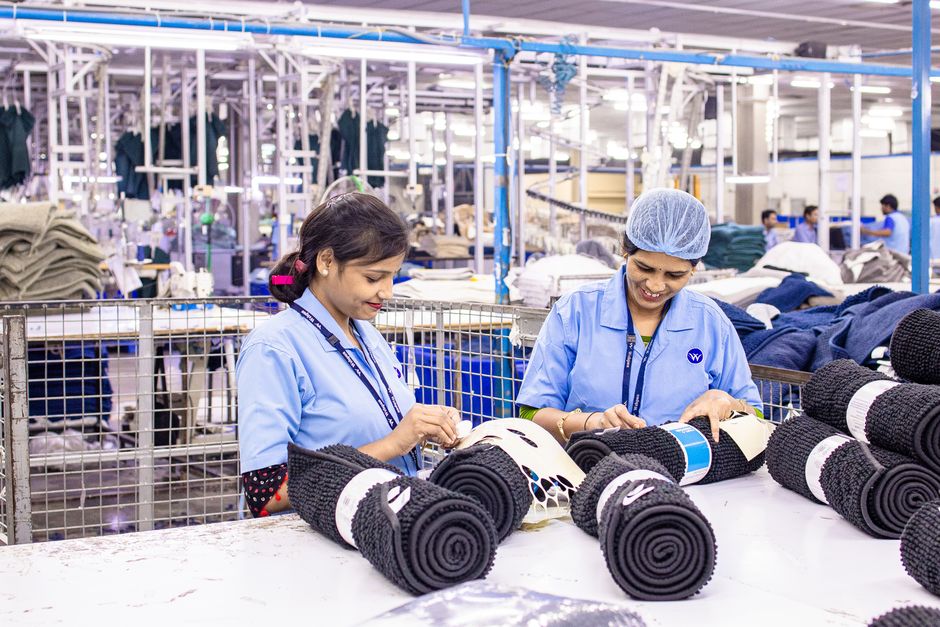
Photo by EqualStock IN on Pexels
The secondary sector takes those raw materials from the primary sector and transforms them into finished goods or products. This is where manufacturing happens.
- Examples: Manufacturing (factories making cars, clothes, electronics), construction (buildings, roads), food processing (turning wheat into bread), energy production.
- Characteristics: Often involves factories and machinery, adds significant value to raw materials, and can be energy-intensive.
Tertiary Sector

Photo by Karolina Grabowska www.kaboompics.com on Pexels
The tertiary sector provides services rather than producing tangible goods. It supports both the primary and secondary sectors, as well as directly serving consumers.
- Examples: Retail (shops), transportation (trucking, airlines), healthcare (doctors, nurses), education (teachers), finance (banking), tourism, hospitality.
- Characteristics: Focuses on human interaction and skills, doesn't produce physical goods, and is crucial for a modern economy's functioning.
Quaternary Sector
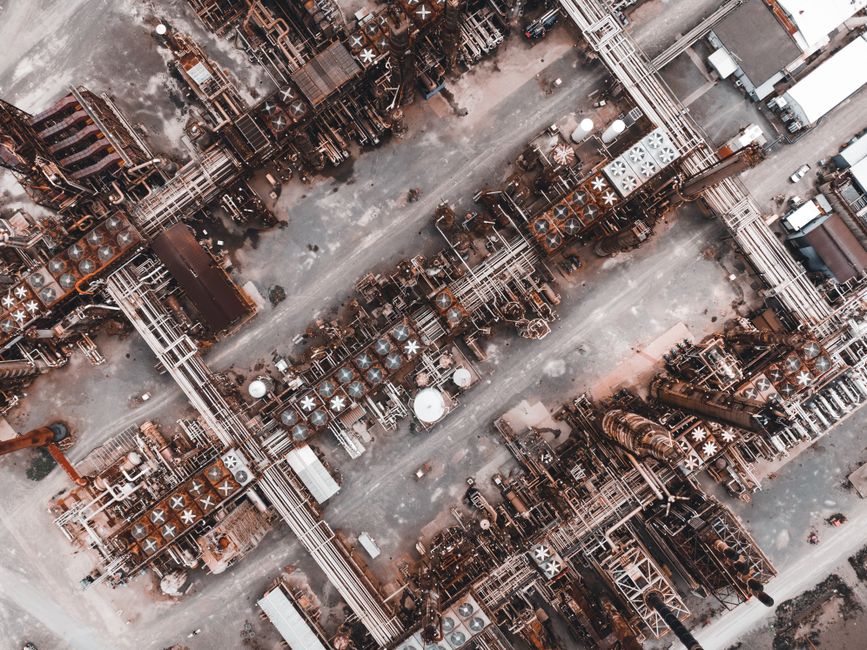
Photo by Erik Mclean on Pexels
Sometimes considered a specialized part of the tertiary sector, the quaternary sector deals specifically with information, knowledge, research, and high-tech services. It's about intellectual activities.
- Examples: Scientific research and development (R&D), information technology (IT), consulting, media, education (at a higher, more specialized level), government administration.
- Characteristics: Highly skilled workforce, often involves advanced technology, and drives innovation and future growth.
Here's how these sectors connect:
graph TD
    A["Primary Sector (Raw Materials)"] --> B["Secondary Sector (Manufacturing)"]
    B --> C["Tertiary Sector (Services)"]
    A --> C
    C --> D["Quaternary Sector (Knowledge/IT)"]
    D --> B
    D --> A
3. Worked Example
Let's trace the journey of a wooden chair.
- Primary Sector: A lumberjack cuts down a tree in a forest. This is forestry, an activity within the primary sector, providing the raw timber.
- Secondary Sector: The timber is transported to a furniture factory. Workers at the factory use machinery to cut, shape, and assemble the wood into a finished wooden chair. This is manufacturing, part of the secondary sector.
- Tertiary Sector: The finished chair is then shipped by a transport company (logistics) to a furniture store (retail). A salesperson at the store helps a customer choose the chair, and a delivery service brings it to their home. All these services are in the tertiary sector.
- Quaternary Sector (Optional but relevant): Before the chair was designed, perhaps a product designer (quaternary) researched new chair designs and materials. A software engineer (quaternary) might have developed the logistics software used by the delivery company.
4. Key Takeaways
- Economic activities are classified into sectors based on the type of work performed.
- The primary sector extracts raw materials directly from nature.
- The secondary sector processes raw materials into finished goods.
- The tertiary sector provides various services to individuals and businesses.
- The quaternary sector focuses on knowledge, information, and high-tech services.
- These sectors are interconnected; the output of one often serves as the input for another.
- Developed economies typically have larger tertiary and quaternary sectors.
Common Mistakes to Avoid:
- Don't confuse the output of a sector with the sector itself (e.g., "a fish" is a product, "fishing" is the primary activity).
- Don't think of these sectors as completely separate; they often overlap and rely heavily on each other.
- Don't assume all jobs in a factory are secondary; the CEO's job might be quaternary, while a janitor's is tertiary.
- Don't forget that economic development often involves a shift from primary to secondary, then to tertiary and quaternary dominance.
5. Now Try It
Think about your local community or country. List three specific examples of businesses or jobs for each of the four economic sectors (primary, secondary, tertiary, and quaternary). For each example, briefly explain why it fits into that particular sector. Your success will be measured by clearly identifying different types of economic activity and correctly assigning them to their respective sectors.
Frequently asked about Introduction to Economic Activities and Sectors
Get the full primary economic activites curriculum
Clone the complete plan to your dashboard for unlimited AI-generated notes, practice quizzes, and a personalised revision schedule.
Create Free Account