احکام و معارف اسلامی و اطلاعات عمومی
From the آزمون سردفتری curriculum
احکام و معارف اسلامی و اطلاعات عمومی
TL;DR
This section covers essential Islamic rulings (Ahkam), fundamental Islamic teachings (Ma'aref), and general knowledge relevant for the Notary Public exam. You'll need to understand the sources of Islamic law, key theological concepts, and important historical and current affairs. Mastering these areas ensures you're well-rounded for the exam's broad scope.
1. The Mental Model
Think of this section as building a three-legged stool: one leg is practical Islamic law, another is the deeper theological understanding, and the third is general awareness of the world. All three are crucial for a comprehensive understanding and success in this exam.
2. The Core Material
This part of the exam tests your knowledge across several domains. Let's break them down.
2.1. احکام اسلامی (Islamic Rulings)

Photo by Defrino Maasy on Pexels
These are the practical laws and rules derived from Islamic sources that govern daily life. You'll need to know about:
- منابع استنباط احکام (Sources of Islamic Law): These are the primary foundations from which rulings are derived.
- قرآن کریم (Holy Quran): The divine book revealed to Prophet Muhammad (PBUH).
- سنت (Sunnah): The traditions, sayings, and actions of Prophet Muhammad (PBUH) and the Imams (for Shia Islam). This includes Hadith.
- اجماع (Ijma'): Consensus of qualified Islamic scholars on a particular issue.
- عقل (Aql - Intellect/Reason): Used to deduce rulings where direct textual evidence is not available, especially in Shia jurisprudence.
- انواع احکام (Types of Rulings):
- احکام تکلیفی (Obligatory Rulings): Like Wajib (obligatory), Haram (forbidden), Mustahab (recommended), Makrooh (discouraged), Mubah (permissible).
- احکام وضعی (Positional Rulings): Such as Sahih (valid), Batil (invalid), Sabab (cause), Shart (condition), Mane' (impediment).
- احکام عبادات (Rulings on Acts of Worship): Basics of نماز (Salat - prayer), روزه (Sawm - fasting), زکات (Zakat - almsgiving), حج (Hajj - pilgrimage), خمس (Khums - one-fifth tax). Focus on general principles rather than intricate details.
- احکام معاملات (Rulings on Transactions): This is highly relevant for a notary. Understand the basic principles of contracts (عقود), ownership (ملکیت), inheritance (ارث), marriage (نکاح), and divorce (طلاق). Emphasize areas related to property and family law.
2.2. معارف اسلامی (Islamic Teachings/Theology)
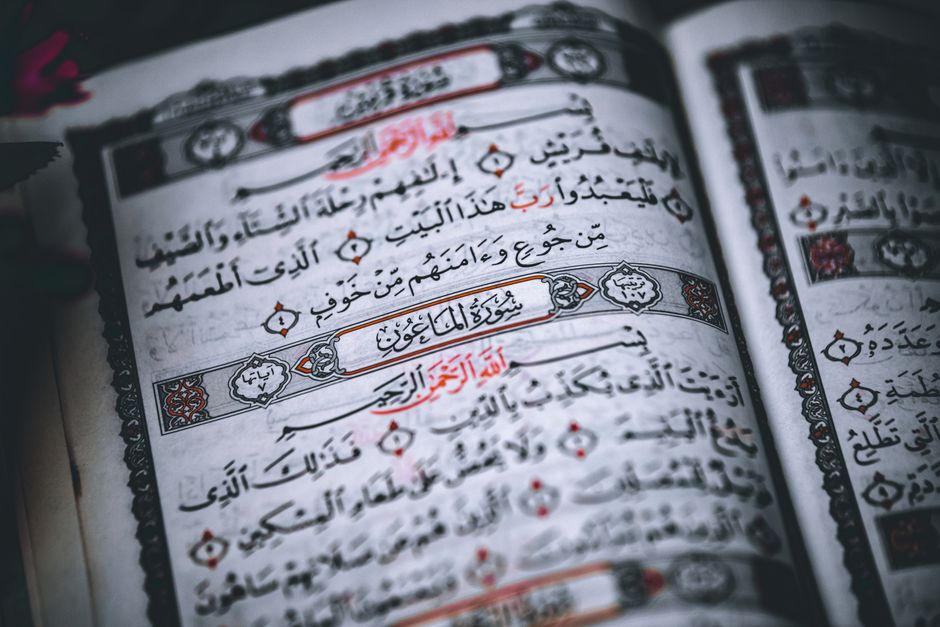
Photo by belal obeid on Pexels
This section delves into the foundational beliefs and principles of Islam.
- اصول دین (Principles of Religion - Usul al-Din):
- توحید (Tawhid): Oneness of God. Understanding God's attributes.
- نبوت (Nubuwwah): Prophethood, understanding the role of prophets and the finality of Prophet Muhammad (PBUH).
- معاد (Ma'ad): Resurrection and the Day of Judgment.
- (For Shia Islam): عدل (Adl - Justice of God) and امامت (Imamah - Leadership of Imams).
- فروع دین (Branches of Religion - Furu' al-Din): These are the practical applications of the Usul al-Din, generally including the acts of worship mentioned above.
- اخلاق اسلامی (Islamic Ethics): Core values like honesty, justice, compassion, fulfilling promises, and avoiding backbiting.
2.3. اطلاعات عمومی (General Knowledge)

Photo by Gustavo Fring on Pexels
This broad category tests your awareness of current events, history, geography, and general cultural knowledge, particularly concerning Iran and the Islamic world.
- تاریخ معاصر ایران (Contemporary History of Iran): Key events, movements (e.g., Constitutional Revolution, Islamic Revolution), important figures.
- جغرافیای ایران و جهان اسلام (Geography of Iran and the Islamic World): Major cities, strategic locations, neighboring countries.
- مسائل روز ایران و جهان (Current Affairs in Iran and the World): Significant political, economic, social, and cultural developments.
- سازمانهای بینالمللی (International Organizations): Basic knowledge of the UN, OIC, etc.
- شخصیتهای مهم (Important Figures): Key historical and contemporary figures in politics, science, and culture.
Here's a diagram showing the hierarchy of Islamic knowledge for this exam:
graph TD
A["معارف و احکام اسلامی و اطلاعات عمومی"] --> B["احکام اسلامی"]
A --> C["معارف اسلامی"]
A --> D["اطلاعات عمومی"]
B --> B1["منابع استنباط احکام"]
B --> B2["انواع احکام (تکلیفی، وضعی)"]
B --> B3["احکام عبادات"]
B --> B4["احکام معاملات (مهم برای سردفتری)"]
C --> C1["اصول دین"]
C --> C2["فروع دین"]
C --> C3["اخلاق اسلامی"]
D --> D1["تاریخ معاصر ایران"]
D --> D2["جغرافیای ایران و جهان اسلام"]
D --> D3["مسائل روز ایران و جهان"]
D --> D4["سازمانهای بینالمللی و شخصیتها"]
3. Worked Example
Let's consider a scenario relevant to notary work that ties into Islamic rulings:
Scenario: A client comes to you as a notary to register a contract for the sale of a piece of land. However, you discover that the land in question is waqf (endowment property).
Question: Based on your knowledge of احکام معاملات, what is the fundamental Islamic ruling regarding the sale of waqf property, and what would be your professional advice?
Analysis:
1. Identify the core concept: The issue revolves around waqf (وقف).
2. Recall relevant Islamic rulings: In Islamic jurisprudence, waqf property, once endowed, generally becomes inalienable (لا یباع و لا یوهب و لا یورث). This means it cannot be sold, gifted, or inherited because its ownership transfers from an individual to Allah (SWT) for public benefit, based on the conditions set by the endower. There are very specific, limited exceptions (e.g., if the waqf property is completely ruined and no longer serves its purpose, and its sale is deemed necessary to preserve the original intent of the waqf by buying a replacement).
3. Apply to the scenario: Since the land is waqf, its sale would typically be invalid (batil) under Islamic law.
4. Professional advice: You would inform the client that the sale of waqf property is generally impermissible and invalid. As a notary, you cannot legally register a contract that is fundamentally invalid according to the prevailing laws, which are often rooted in Islamic principles regarding waqf. You would advise them against proceeding with the transaction, explaining the legal and religious implications.
4. Key Takeaways
- The exam covers a wide range: practical laws (Ahkam), theological beliefs (Ma'aref), and general awareness.
- For احکام, focus on the sources of law (Quran, Sunnah, Ijma', Aql) and the general categories of rulings, especially those related to transactions.
- For معارف, understand the core principles of faith (Usul al-Din) and their practical manifestations (Furu' al-Din).
- Stay updated on current affairs and significant historical events, particularly concerning Iran.
- Recognize that notary work often intersects with Islamic transactional laws (e.g., contracts, inheritance, endowments).
- Avoid superficial memorization; aim for a conceptual understanding of why these rules and beliefs exist.
Common Mistakes to Avoid:
* Confusing the specific details of a fiqhi ruling with its general principle.
* Neglecting current events, as they often form part of general knowledge questions.
* Underestimating the importance of معاملات rulings for notary exams.
* Failing to connect theological concepts (معارف) to practical applications (احکام).
5. Now Try It
Spend 15 minutes researching the concept of "غرر" (Gharar - undue risk/uncertainty) in Islamic contract law.
1. Define Gharar in your own words.
2. Identify at least two types of contracts or situations where Gharar would render a contract invalid.
3. Think about why avoiding Gharar is important from an ethical and practical perspective in transactions.
Success looks like being able to explain Gharar clearly, provide relevant examples, and articulate its significance in ensuring fairness and certainty in agreements.
Frequently asked about احکام و معارف اسلامی و اطلاعات عمومی
More from آزمون سردفتری
Get the full آزمون سردفتری curriculum
Clone the complete plan to your dashboard for unlimited AI-generated notes, practice quizzes, and a personalised revision schedule.
Create Free Account