Physical Geography: Earth Processes and Landforms
From the geog curriculum
Physical Geography: Earth Processes and Landforms
TL;DR
Earth's surface is constantly reshaped by internal forces (like plate tectonics) and external forces (like weathering and erosion). These processes create the diverse landforms we see, from mountains to valleys. Understanding them helps us predict changes and manage our environment.
1. The Mental Model
Think of Earth's surface as a giant sculpture, always being molded by two main types of forces: those pushing from within, and those wearing it down from the outside. These forces work together to create every landscape you observe.
2. The Core Material
Physical geography is all about understanding the natural processes that shape our planet's surface and the landforms they create. We can generally categorize these forces into endogenic (internal, originating within the Earth) and exogenic (external, acting on the Earth's surface).
Endogenic Processes: Building Up
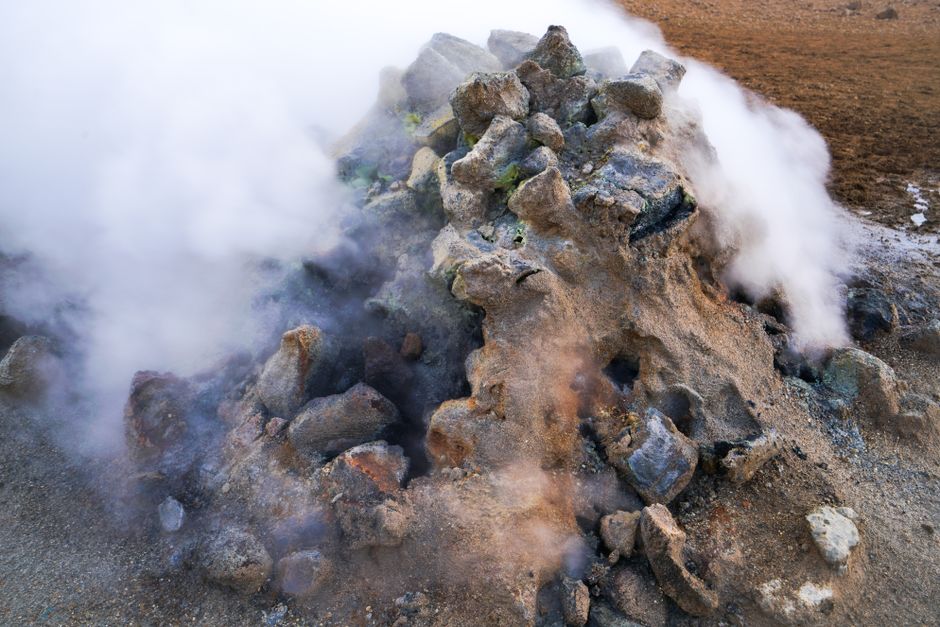
Photo by ArtHouse Studio on Pexels
These processes are driven by Earth's internal heat. They're responsible for the major structural features like mountains and continents.
- Plate Tectonics: This is the big one. Earth's outer shell (the lithosphere) is broken into large pieces called tectonic plates. These plates are constantly moving, driven by convection currents in the mantle below.
- Convergent Boundaries: Plates move towards each other. This can cause mountains to form (like the Himalayas when two continental plates collide), or ocean trenches and volcanic arcs (when an oceanic plate subducts, or slides under, another plate).
- Divergent Boundaries: Plates move apart. This creates new crust, often seen as mid-ocean ridges (like the Mid-Atlantic Ridge) or rift valleys on land (like the East African Rift).
- Transform Boundaries: Plates slide past each other horizontally. This doesn't create or destroy crust but causes significant earthquakes (like the San Andreas Fault).
- Volcanism: The eruption of molten rock (magma), ash, and gases onto Earth's surface. Volcanoes can build up new landforms, like volcanic mountains or islands.
- Earthquakes: Sudden shaking of the Earth's crust caused by the release of energy stored in rocks, usually along fault lines where plates interact.
Exogenic Processes: Wearing Down

Photo by Burst on Pexels
These processes operate on Earth's surface, driven by solar energy and gravity. They break down rocks and move material around.
- Weathering: The breakdown of rocks in situ (in place) into smaller pieces or dissolved substances.
- Physical (Mechanical) Weathering: Breaks rocks without changing their chemical composition. Examples include frost wedging (water freezes in cracks, expands, and splits rock) and exfoliation (outer layers of rock peel off due to pressure release).
- Chemical Weathering: Changes the chemical composition of rocks. Examples include dissolution (minerals dissolve in water, like limestone forming caves) and oxidation (minerals react with oxygen, like rusting).
- Erosion: The movement of weathered material (sediment) from one place to another.
- Water: Rivers, streams, and even rainfall are powerful agents of erosion, carving valleys, canyons, and transporting sediment to the oceans.
- Wind: Especially in dry areas, wind can pick up and move sand and dust, shaping features like dunes and creating abrasive effects.
- Ice (Glaciers): Massive sheets of ice slowly flow, carving out U-shaped valleys, fjords, and depositing large amounts of sediment.
- Gravity (Mass Wasting): The downhill movement of rock and soil due to gravity, ranging from slow creep to rapid landslides and rockfalls.
Landforms: The Sculpted Results
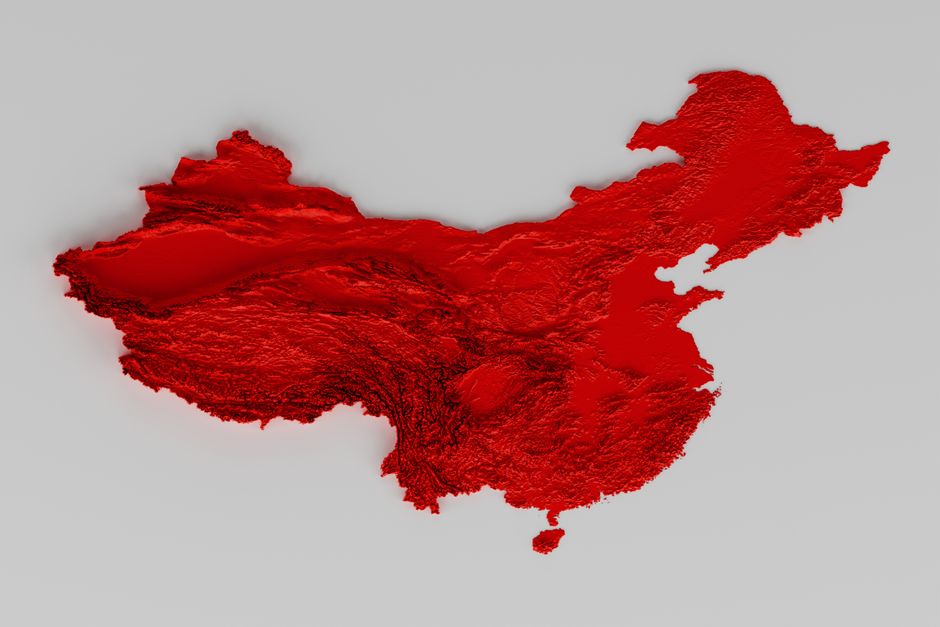
Photo by Insaanu Studio on Pexels
The interaction of these endogenic and exogenic processes creates all the landforms we observe.
graph TD
    A["Earth's Internal Heat (Endogenic Forces)"] --> B["Plate Tectonics"];
    B --> C["Volcanism"];
    B --> D["Earthquakes"];
    C --> E["Volcanic Mountains/Islands"];
    B --> F["Mountain Ranges (e.g., Himalayas)"];
    B --> G["Ocean Trenches/Mid-Ocean Ridges"];

    H["Solar Energy & Gravity (Exogenic Forces)"] --> I["Weathering"];
    I --> J["Physical Weathering"];
    I --> K["Chemical Weathering"];

    H --> L["Erosion"];
    L --> M["Water (Rivers, Rain)"];
    L --> N["Wind"];
    L --> O["Ice (Glaciers)"];
    L --> P["Gravity (Mass Wasting)"];

    J --> Q["Broken Rock Fragments"];
    K --> R["Dissolved Minerals"];

    Q --> L; % Weathered material is then eroded
    R --> M; % Dissolved minerals transported by water

    L --> S["Sediment Transport"];
    S --> T["Deposition"];

    T --> U["Sedimentary Landforms (e.g., Deltas, Dunes)"];
    M --> V["Fluvial Landforms (e.g., Valleys, Canyons)"];
    N --> W["Aeolian Landforms (e.g., Dunes, Loess)"];
    O --> X["Glacial Landforms (e.g., U-shaped Valleys, Moraines)"];
    P --> Y["Mass Wasting Landforms (e.g., Landslide Scars)"];

    E --> Z["Distinct Volcanic Features"];
    F --> Z;
    G --> Z;
    U --> Z;
    V --> Z;
    W --> Z;
    X --> Z;
    Y --> Z;

    Z["OBSERVED LANDFORMS"];
3. Worked Example
Let's look at the Grand Canyon in the United States.
- Endogenic Uplift: Millions of years ago, tectonic forces caused the Colorado Plateau (where the Grand Canyon is located) to uplift. This isn't one sudden event but a slow, continuous upward movement of the land. This initial uplift provided the elevation needed for significant erosion.
- Exogenic Erosion (Water): As the plateau slowly rose, the Colorado River maintained its course, beginning to incise (cut down) into the rising land. The river, carrying sediment (eroded from upstream), acted like a giant abrasive tool, slowly grinding away the rock layers.
- Weathering: As the river cut deeper, exposing new rock layers, weathering processes began to work on the canyon walls.
- Frost wedging occurred in colder periods as water seeped into cracks and froze.
- Chemical weathering (like dissolution) slowly attacked certain rock types, especially limestones.
- Mass wasting events (rockfalls, landslides) caused by gravity, further widened the canyon and brought material down to the river.
- Continuous Erosion and Transport: The river continued to flow, eroding more material, transporting it downstream, and carrying away the weathered debris from the canyon walls. Over millions of years, this continuous interplay of uplift, river erosion, weathering, and mass wasting carved out the immense chasm we see today.
The Grand Canyon is a spectacular example of how slow, persistent forces, both internal and external, can create massive, iconic landforms.
4. Key Takeaways
- Endogenic processes (plate tectonics, volcanism, earthquakes) originate within Earth and generally build up landforms.
- Exogenic processes (weathering, erosion, mass wasting) operate on Earth's surface and generally wear down landforms.
- Weathering breaks down rocks in place, while erosion transports the broken-down material.
- Water, wind, ice, and gravity are the main agents responsible for erosion and the sculpting of landscapes.
- All landforms are the result of the complex, ongoing interaction between these internal and external forces.
Common mistakes to avoid:
- Confusing weathering (breakdown) with erosion (transport). They are distinct but often work together.
- Thinking that landforms are static; they are always changing, albeit often very slowly.
- Underestimating the power of seemingly slow processes like uplift or chemical weathering over geologic timescales.
- Attributing all landform creation to just one type of process; it's almost always a combination.
5. Now Try It
Spend 15 minutes observing a local landscape feature near you (a hill, a river, a rock outcrop, a coastline, even a ditch). Try to identify at least two endogenic forces and two exogenic forces that you think have played a role in shaping it, even if indirectly. What clues do you see that suggest these processes are at work?
What success looks like: You can articulate how specific features you observe (e.g., steepness of a slope, type of rock, presence of water channels) might be linked to internal (like uplift) or external (like water erosion or chemical weathering) geological processes.
Frequently asked about Physical Geography: Earth Processes and Landforms
Get the full geog curriculum
Clone the complete plan to your dashboard for unlimited AI-generated notes, practice quizzes, and a personalised revision schedule.
Create Free Account