Earth's Internal Structure and Composition
Earth's Internal Structure and Composition
TL;DR
Earth's interior has layers like an onion, with the lithosphere being the rigid outer shell and the asthenosphere a flowing, semi-liquid layer beneath it. Heat from the core drives convection currents in the mantle, moving tectonic plates and causing geological activity. Pressure and temperature increase dramatically with depth, influencing mineral stability.
1. The Mental Model
Imagine Earth is a peach. The skin is the crust, the firm fruit is the mantle, and the hard pit is the core. Each layer has different properties and plays a role in how our planet works.
2. The Core Material
Let's break down Earth's internal structure, focusing on the tricky parts you mentioned.
Lithosphere vs. Asthenosphere
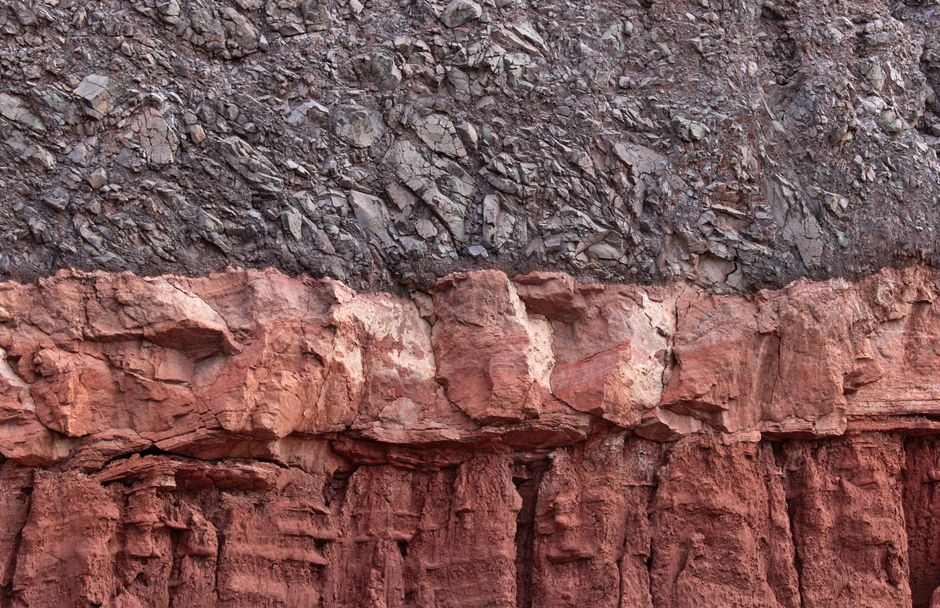
Photo by Miguel Delima on Pexels
These two layers are super important for understanding plate tectonics.
- Lithosphere: This is Earth's rigid outer layer. Think of it as a hard, brittle shell. It includes the entire crust (both continental and oceanic) and the uppermost, coolest, and most rigid part of the mantle. Because it's rigid, it breaks and forms the tectonic plates that move around.
- Asthenosphere: Directly beneath the lithosphere is the asthenosphere. This layer is still part of the mantle, but it's much weaker, hotter, and partially molten (like very thick, gooey taffy). It's not fully liquid, but it's capable of slow flow over long periods. The rigid lithospheric plates "float" and move on top of this flowing asthenosphere.
So, the key difference is rigidity and ability to flow. The lithosphere is solid and brittle; the asthenosphere is solid but deformable (plastic).
Convection Currents and Energy

Photo by Gülşah PEHLİVAN on Pexels
The Earth's interior is hot, and that heat needs to go somewhere. This is where convection comes in.
- Heat Source: The primary heat source for Earth's interior comes from two places:
- Residual heat from Earth's formation: The energy released when Earth first formed and accreted.
- Radioactive decay: Unstable isotopes (like uranium, thorium, and potassium) within the mantle and core decay, releasing heat.
- Convection Process:
- Material deep in the mantle (near the core) gets superheated.
- As it heats up, it becomes less dense and rises towards the surface.
- Near the lithosphere, it cools down, becomes denser, and then sinks back towards the core.
- This continuous cycle of rising hot material and sinking cool material creates convection cells – like boiling water in a pot. These slow-moving currents in the asthenosphere and deeper mantle are what drag and push the lithospheric plates around, leading to earthquakes, volcanoes, and mountain building.
graph TD
    A["Heat from Core & Radioactive Decay"] --> B["Mantle Material Heats Up"]
    B --> C{"Becomes Less Dense"}
    C --> D["Hot Material Rises (Convection Current Updraft)"]
    D --> E["Reaches Lithosphere Base"]
    E --> F["Material Cools & Spreads Horizontally"]
    F --> G{"Becomes More Dense"}
    G --> H["Cool Material Sinks (Convection Current Downdraft)"]
    H --> A
Depth, Pressure, and Temperature
Photo by Brett Sayles on Pexels
As you go deeper into Earth, both pressure and temperature increase significantly.
- Temperature: Earth's core is estimated to be as hot as the surface of the Sun (around 5,000-6,000°C). This heat is what drives the convection.
- Pressure: The immense weight of the overlying rock layers causes pressure to skyrocket. At the center of the Earth, the pressure is millions of times greater than at the surface.
- Impact on Minerals: This combination of extreme heat and pressure dramatically affects the minerals found at different depths. For example, minerals that are stable at the surface wouldn't last a second in the lower mantle. The atoms in minerals get packed together much more tightly under high pressure, forming denser crystal structures. New, high-pressure mineral forms (polymorphs) appear that don't exist closer to the surface.
Types of Minerals
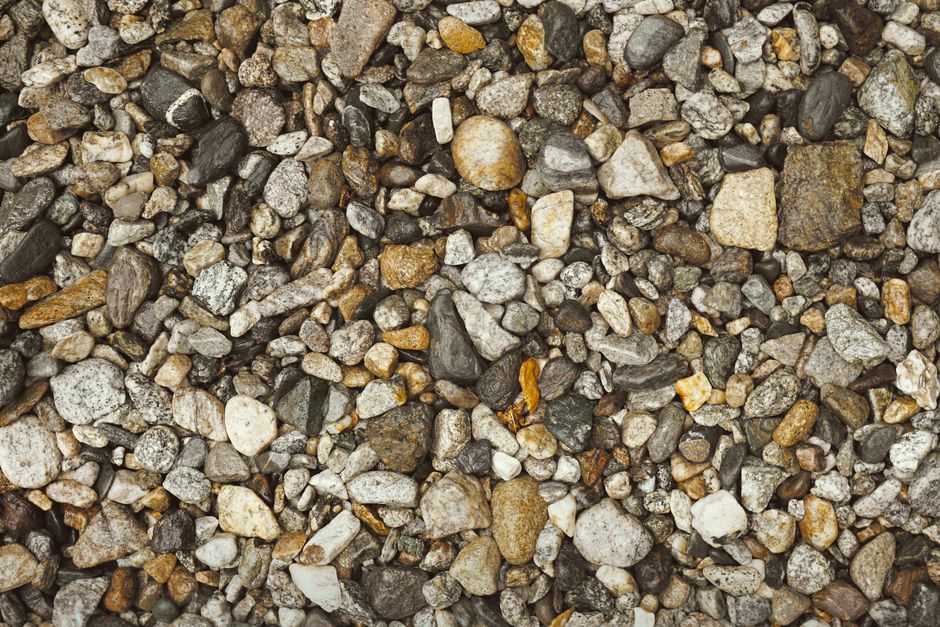
Photo by Fandy Much on Pexels
You won't find quartz or feldspar deep in the mantle. Instead, we have:
- Crust: Dominated by silicates like quartz, feldspar, mica (common rock-forming minerals). These are less dense.
- Mantle: Primarily composed of dense silicate minerals rich in iron and magnesium, like olivine and pyroxene. At greater depths, these minerals transform into even denser crystal structures (e.g., ringwoodite, perovskite).
- Core: Mostly made of iron (Fe) and nickel (Ni) alloys. The outer core is liquid, and the inner core is solid due to immense pressure, even though it's incredibly hot.
3. Worked Example
Imagine drilling a hole into Earth.
- You start in the lithosphere, maybe through continental crust which is about 30-50 km thick. The rock is rigid.
- After about 100 km (varying depth), you'd hit the asthenosphere. Here, the temperature is higher (around 1,300°C), and the pressure is about 30,000 times atmospheric pressure. The rock is still solid, but it's soft and deformable, like thick plastic, allowing the lithospheric plates above to slowly move. If you tried to pull a sample, it would behave more like a very viscous fluid over long periods, rather than snapping like rock from the lithosphere.
4. Key Takeaways
- The lithosphere is the rigid, brittle outer shell (crust + uppermost mantle) that forms Earth's tectonic plates.
- The asthenosphere is the weaker, partially molten, flowing layer within the upper mantle, upon which the lithosphere moves.
- Convection currents in the mantle, driven by heat from the core and radioactive decay, cause the slow movement of tectonic plates.
- Temperature and pressure dramatically increase with depth, leading to denser mineral forms and different material states.
- Earth's interior layers are mainly composed of silicate minerals (mantle) and iron/nickel (core), with compositions changing with depth.
Common Mistakes to Avoid:
- Don't confuse the crust with the lithosphere; the lithosphere includes the crust plus some mantle.
- Don't think the asthenosphere is entirely liquid; it's a solid that can flow.
- Don't forget that the energy for convection comes from both original heat and radioactive decay.
- Don't underestimate how much pressure and temperature change mineral structures deep inside Earth.
5. Now Try It
Draw a simple cross-section of Earth's upper layers. Label the crust, lithosphere, and asthenosphere. Add arrows to show a convection current in the asthenosphere, indicating where hot material rises and cool material sinks.
What success looks like: Your drawing clearly shows the lithosphere encompassing the crust, positioned above the flowing asthenosphere with accurately drawn convection current arrows.
Frequently asked about Earth's Internal Structure and Composition
Get the full I answered most of them but mostly I suck at asthenosphere and lithos sphere also like convection like currents, like the energy and like the depth and pressure of it and like types of minerals curriculum
Clone the complete plan to your dashboard for unlimited AI-generated notes, practice quizzes, and a personalised revision schedule.
Create Free Account