Fundamentals of Water and Ice
From the Freeze and thaw action curriculum
TL;DR
Water's unique molecular structure, especially its hydrogen bonds, explains why it expands when it freezes, which is crucial for understanding freeze-thaw damage. Ice forms different structures depending on temperature and pressure, but the most common is hexagonal ice. The energy needed to change water's state (latent heat) is significant and drives many environmental processes.
1. The Mental Model
Think of water molecules as tiny, sticky magnets. When they get cold enough, these magnets arrange themselves into a very specific, slightly open structure – ice – which takes up more space than the jumbled liquid.
2. The Core Material
You might think most things shrink when they get cold, right? But water's different, and this difference is key to everything about freeze-thaw action. It all comes down to the water molecule itself: H₂O.
2.1 The Water Molecule: H₂O and Hydrogen Bonds

Photo by Ave Calvar Martinez on Pexels
A water molecule looks a bit like Mickey Mouse's head: one big oxygen atom and two smaller hydrogen atoms sticking out at an angle. Oxygen loves electrons more than hydrogen does, so it pulls the electrons closer, making the oxygen end slightly negative and the hydrogen ends slightly positive.
This imbalance means water molecules are polar. The positive hydrogen end of one water molecule is attracted to the negative oxygen end of another. This attraction is called a hydrogen bond. These aren't as strong as the bonds within a molecule, but there are many of them, and they're what give water its unique properties.
2.2 Why Water Expands When It Freezes
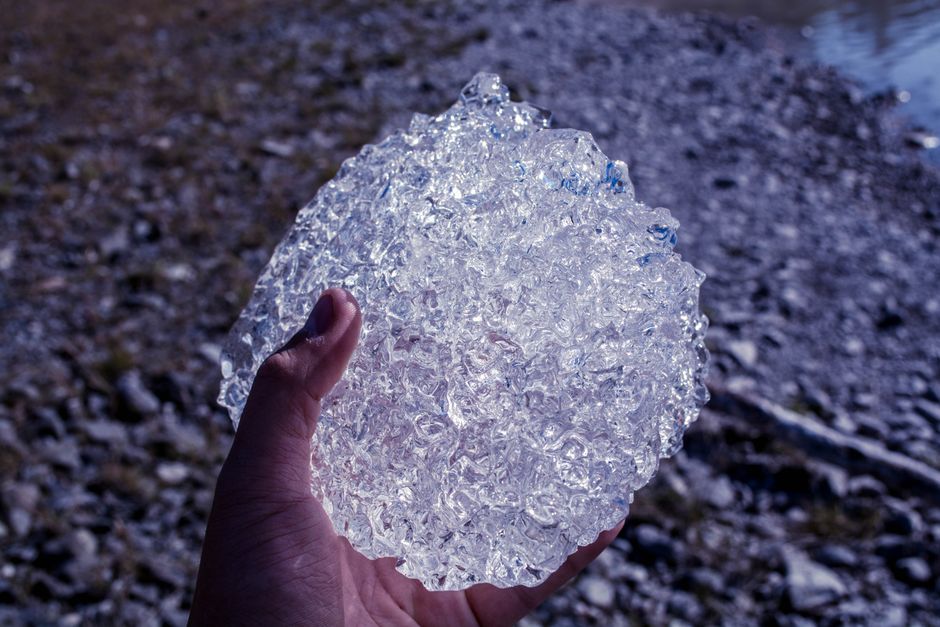
Photo by Photo Collections on Pexels
In liquid water, molecules are constantly forming and breaking hydrogen bonds, sliding past each other. It's pretty dense. As water cools, molecules move slower. When it hits 0°C (32°F) under normal pressure, the hydrogen bonds lock into a more organized, open, crystalline structure.
This structure, specifically for hexagonal ice (Ice Ih), has more empty space between molecules than liquid water does. Because of this, a given mass of ice takes up about 9% more volume than the same mass of liquid water. This expansion is why pipes burst and rocks crack when water freezes inside them.
2.3 States of Water: Liquid, Solid, Gas
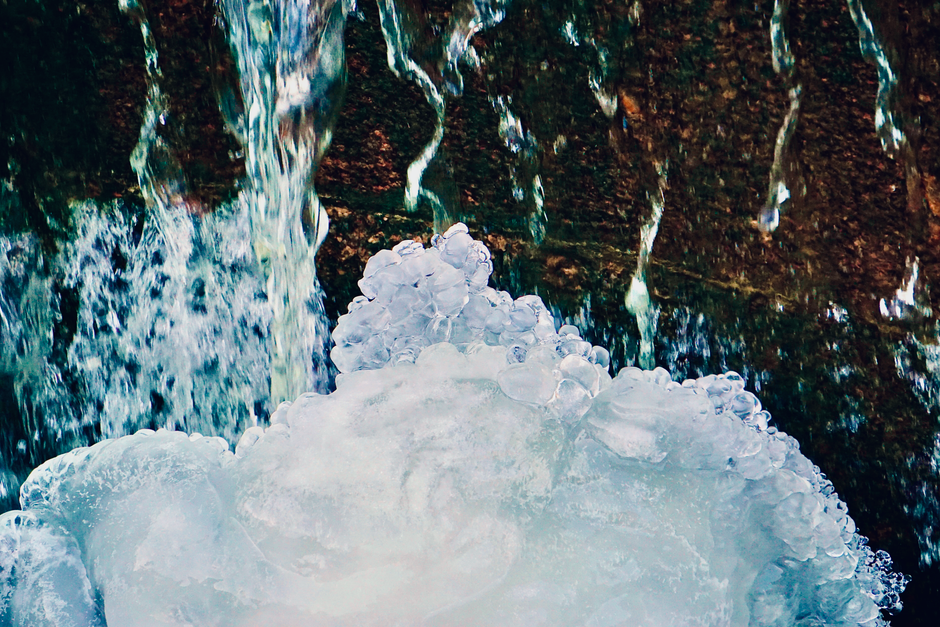
Photo by Anna Romanova on Pexels
You know water as a liquid, ice as a solid, and steam as a gas. The transitions between these states are governed by temperature and pressure.
- Freezing/Melting: Liquid to solid (0°C, 32°F at standard pressure) and back.
- Boiling/Condensation: Liquid to gas (100°C, 212°F at standard pressure) and back.
- Sublimation/Deposition: Solid directly to gas and back (like dry ice or frost forming).
2.4 Latent Heat: The "Hidden" Energy
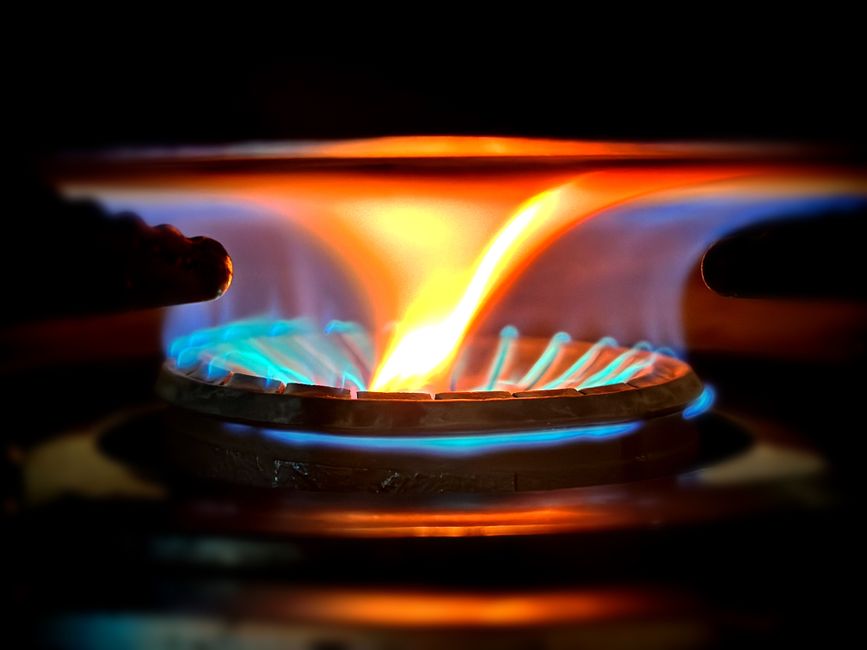
Photo by Kenny Fotos CR on Pexels
When water changes state, a lot of energy is either absorbed or released, even though the temperature doesn't change. This is called latent heat.
- Latent heat of fusion: Energy needed to melt ice into water, or released when water freezes into ice. It's about 334 kilojoules per kilogram (kJ/kg). That's a lot of energy!
- Latent heat of vaporization: Energy needed to turn liquid water into steam, or released when steam condenses into water. Even more energy, about 2260 kJ/kg.
This energy absorption/release explains why ice takes a long time to melt even on a warm day, or why frost forms when it gets cold (water vapor releases its latent heat).
graph TD
    A["Liquid Water"] -->|Cooling| B["Ice (Solid)"]
    B -->|Heating| A
    A -->|Heating| C["Water Vapor (Gas)"]
    C -->|Cooling| A
    B -->|Sublimation (Heating)| C
    C -->|Deposition (Cooling)| B
    subgraph Phase Change Energy
        A -- "Releases Latent Heat of Fusion" --> B
        B -- "Absorbs Latent Heat of Fusion" --> A
        A -- "Absorbs Latent Heat of Vaporization" --> C
        C -- "Releases Latent Heat of Vaporization" --> A
    end
2.5 Types of Ice
While we usually think of "ice" as one thing, it can actually form many different crystalline structures depending on temperature and pressure. These are called polymorphs.
- Ice Ih (Hexagonal Ice): This is the most common type you see every day. It forms at standard atmospheric pressure and temperatures below 0°C. Its open, hexagonal structure is why ice floats and why water expands upon freezing.
- Other Ice Polymorphs: At very high pressures or very low temperatures, water can form different arrangements (Ice II, Ice III, etc., up to Ice XIX!). These are denser and behave differently, but for freeze-thaw action in typical environments, Ice Ih is your main concern.
3. Worked Example
Imagine you have a sealed bottle completely full of water (let's say 1 liter, which is 1000 cm³). If that water freezes completely to ice, how much space will it need?
- Original Volume: 1 liter = 1000 cm³ of liquid water.
- Expansion Factor: Ice expands by about 9% when it forms from water.
- Calculate Expansion: 9% of 1000 cm³ is (0.09 * 1000) = 90 cm³.
- New Volume: The ice will occupy (1000 cm³ + 90 cm³) = 1090 cm³.
If that bottle can only hold 1000 cm³, the ice will exert tremendous pressure, easily enough to crack the bottle because it needs an extra 90 cm³ of space it doesn't have.
4. Key Takeaways
- Water molecules are polar and form hydrogen bonds, which are crucial for its unique properties.
- When water freezes to ice (specifically Ice Ih), its open crystalline structure causes it to expand by about 9% in volume.
- This expansion when freezing is the primary mechanism behind freeze-thaw damage in materials and structures.
- Latent heat is the significant amount of energy absorbed or released during phase changes (like freezing or melting) without a change in temperature.
- The most common type of ice in nature is hexagonal ice (Ice Ih), known for its characteristic expansion.
- The state of water (liquid, solid, gas) is determined by temperature and pressure, and the transitions involve significant energy changes.
Common Mistakes to Avoid:
- Forgetting that water is an exception and expands when it freezes, unlike most other substances.
- Underestimating the power of latent heat; phase changes are major energy events.
- Thinking all ice is the same; while Ice Ih is most common, other types exist under extreme conditions.
- Confusing the density of ice and water; ice is less dense, which is why it floats.
5. Now Try It
Take a small, clear plastic bottle (like a disposable water bottle) and fill it completely to the brim with water, then screw the cap on tightly. Place it in your freezer overnight. The next day, observe what happened to the bottle. What does this observation tell you about the volume change when water freezes, and what physical effect did it have on the bottle?
Frequently asked about Fundamentals of Water and Ice
Study this next
Get the full Freeze and thaw action curriculum
Clone the complete plan to your dashboard for unlimited AI-generated notes, practice quizzes, and a personalised revision schedule.
Save this course free