Introduction to Economics and Basic Concepts
From the economics curriculum
TL;DR
Economics is about how societies manage their scarce resources to satisfy unlimited wants, forcing choices and trade-offs. It explores how individuals, businesses, and governments make decisions under scarcity. Understanding basic economic principles helps you think critically about the world around you, from prices to policies.
1. The Mental Model
Think of economics as the study of decision-making when you can't have everything you want. It's about making the best choices with what you have, knowing that every choice means giving up something else.
2. The Core Material
Economics essentially boils down to understanding how people, businesses, and governments deal with scarcity. Scarcity means that resources (like time, money, land, labor) are limited, but human wants are unlimited. This fundamental problem forces us to make choices.
2.1 Scarcity and Choice
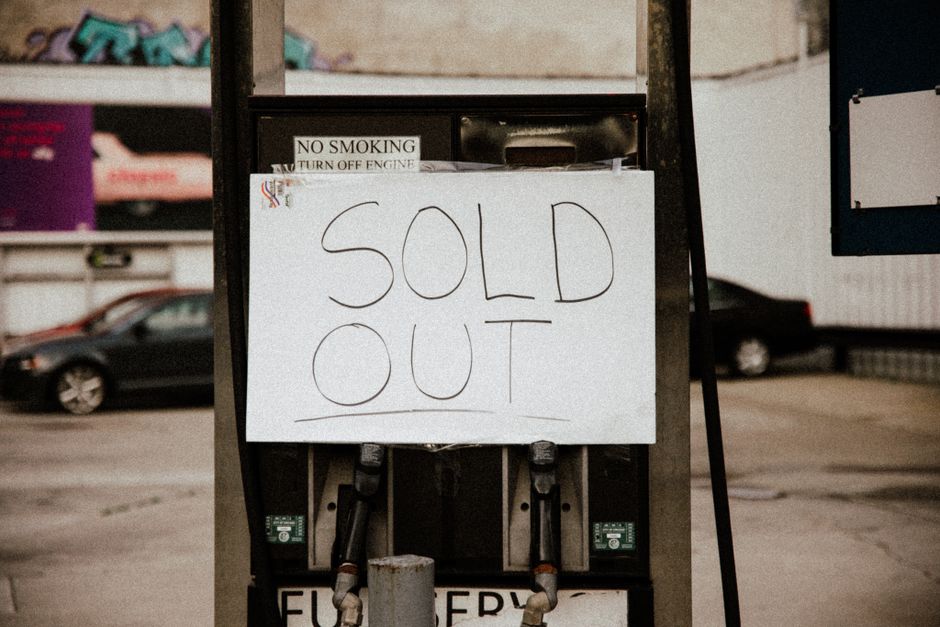
Photo by K on Pexels
Because resources are scarce, every choice has an associated opportunity cost. This isn't just the monetary cost, but the value of the next best alternative that you give up when you make a decision. For example, if you spend an hour studying economics, the opportunity cost might be the hour you could have spent working or exercising.
2.2 Factors of Production
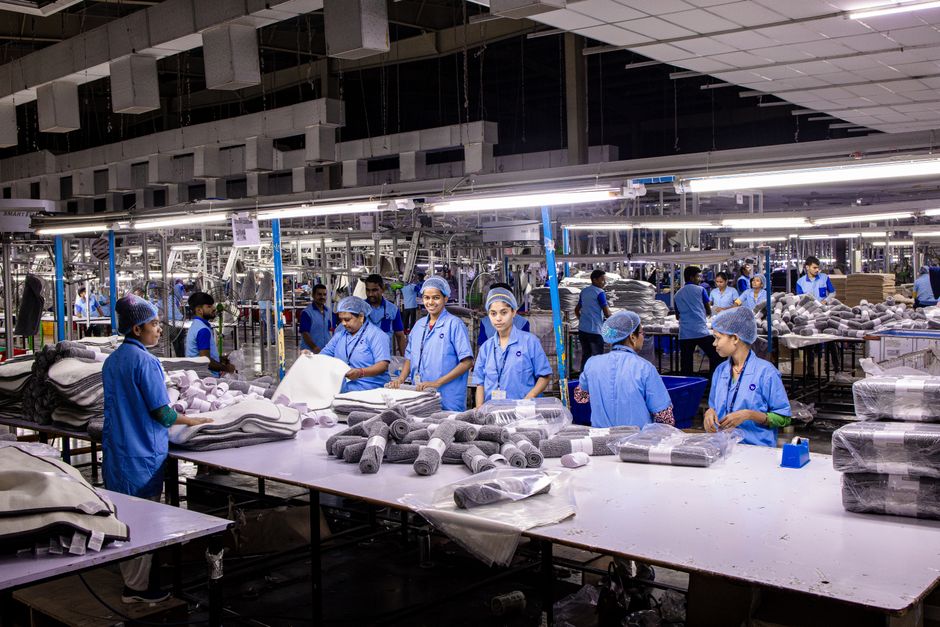
Photo by EqualStock IN on Pexels
These are the basic resources used to produce goods and services:
* Land: All natural resources (e.g., actual land, minerals, oil, water).
* Labor: The effort of people working (e.g., a factory worker, a teacher).
* Capital: Manufactured goods used to produce other goods and services (e.g., machinery, tools, buildings). This isn't money itself, but what money buys to produce things.
* Entrepreneurship: The ability to combine the other factors, innovate, and take risks.
2.3 Microeconomics vs. Macroeconomics

Photo by Atlantic Ambience on Pexels
Economics is generally split into two main branches:
* Microeconomics: Focuses on individual decision-makers, like households and firms, and how they interact in specific markets. It looks at things like pricing decisions, consumer behavior, and specific industry dynamics.
* Macroeconomics: Looks at the economy as a whole. It deals with big-picture issues like unemployment, inflation, economic growth, and government policies.
2.4 Basic Economic Questions

Photo by Leeloo The First on Pexels
Every society must answer these questions due to scarcity:
1. What goods and services will be produced? (e.g., more cars or more hospitals?)
2. How will these goods and services be produced? (e.g., by hand or by machine? Using renewable energy or fossil fuels?)
3. For whom will these goods and services be produced? (e.g., who gets the cars or the healthcare?)
These questions are often answered differently depending on the economic system (e.g., market economy, command economy).
graph TD
    A["Unlimited Wants"] --> B["Limited Resources (Scarcity)"]
    B --> C{"Need for Choices"}
    C --> D["Opportunity Cost (Value of Next Best Alternative)"]
    D --> E["Economic Decisions (What, How, For Whom)"]
    E --> F["Market Outcomes (Prices, Production, Consumption)"]
3. Worked Example
Imagine you have £100. You could either buy a new video game or invest it in a small online course to learn a new skill.
- Choice: You decide to buy the video game.
- Monetary Cost: £100 (for the game).
- Opportunity Cost: The value of the online course you could have taken and the potential future earnings or knowledge you would have gained from that course. It's not the £100 itself, but what that £100 could have bought in its best alternative use. If the course could have led to a better job, that potential future income is part of the opportunity cost.
4. Key Takeaways
- Scarcity is the fundamental economic problem: human wants exceed available resources.
- Every choice involves an opportunity cost, which is the value of the next best alternative forgone.
- The four factors of production are land, labor, capital, and entrepreneurship.
- Microeconomics studies individual economic agents, while macroeconomics examines the economy as a whole.
- Societies must decide what, how, and for whom to produce goods and services.
- Economic decisions are always made under conditions of scarcity.
- Understanding trade-offs is crucial in economic thinking.
Common Mistakes to Avoid:
- Don't confuse scarcity with poverty; even rich individuals and nations face scarcity.
- Don't think of opportunity cost as just the monetary price; it's the value of the best alternative.
- Don't mix up money as capital with physical capital (tools, machines). Money facilitates the acquisition of capital.
- Don't assume economics is just about money; it's about decision-making with limited resources.
5. Now Try It
Think about a recent significant decision you made (e.g., choosing a major, buying something expensive, or deciding how to spend your weekend). For that decision, identify:
1. The scarcity you were facing (what limited resources were involved?).
2. Your chosen action.
3. What you believe was your opportunity cost (the single best alternative you gave up).
Success looks like clearly identifying these three components for your chosen decision, especially distinguishing the monetary cost from the opportunity cost.
Frequently asked about Introduction to Economics and Basic Concepts
Study this next
Get the full economics curriculum
Clone the complete plan to your dashboard for unlimited AI-generated notes, practice quizzes, and a personalised revision schedule.
Save this course free