Foundations of Primary Health Care (PHC) and Patient Interaction
From the Public Health Care curriculum
Foundations of Primary Health Care (PHC) and Patient Interaction
TL;DR
Primary Health Care (PHC) is a whole-of-society approach to health focusing on equitable access, community participation, and appropriate technology. It's about more than just treating illness; it aims to keep people healthy and prevent disease. Effective patient interaction is crucial for successful PHC, building trust and ensuring care aligns with individual needs.
1. The Mental Model
Think of PHC as a broad, preventative umbrella covering everyone, not just a hospital's emergency room. It's about proactive health, accessible to all, with the community actively involved in shaping its own care. Good patient interaction is the glue that makes this umbrella strong.
2. The Core Material
Primary Health Care (PHC) isn't just a level of care; it's a philosophy. It emerged from the 1978 Alma-Ata Declaration, aiming for "Health for All." While this ambitious goal wasn't fully met, the principles remain incredibly relevant.
What is PHC?

Photo by Nataliya Vaitkevich on Pexels
PHC is based on several key principles:
- Universal access and equity: Health services should be available to everyone, regardless of their ability to pay or where they live. It aims to reduce health disparities.
- Community participation: People should be involved in planning, implementing, and evaluating their own health services. This ensures care is relevant to their needs and cultural context.
- Intersectoral collaboration: Health is influenced by many factors beyond medical care (e.g., education, housing, sanitation). PHC requires different sectors to work together.
- Appropriate technology: Using methods and equipment that are scientifically sound, affordable, and culturally acceptable to the community.
- Emphasis on health promotion and disease prevention: Focusing on keeping people healthy and preventing illness rather than just treating it after it occurs. This includes things like vaccinations, health education, and promoting healthy lifestyles.
The World Health Organization (WHO) has since updated the PHC concept, calling for a "renewed PHC" which emphasizes three interconnected components:
- Integrated health services: Delivering comprehensive, quality care that is people-centered, from health promotion to prevention, treatment, rehabilitation, and palliative care.
- Multi-sectoral policies and actions: Addressing the broader determinants of health through collaboration across government and society.
- Empowered people and communities: Ensuring individuals and communities are at the center of health and care.
Patient Interaction in PHC
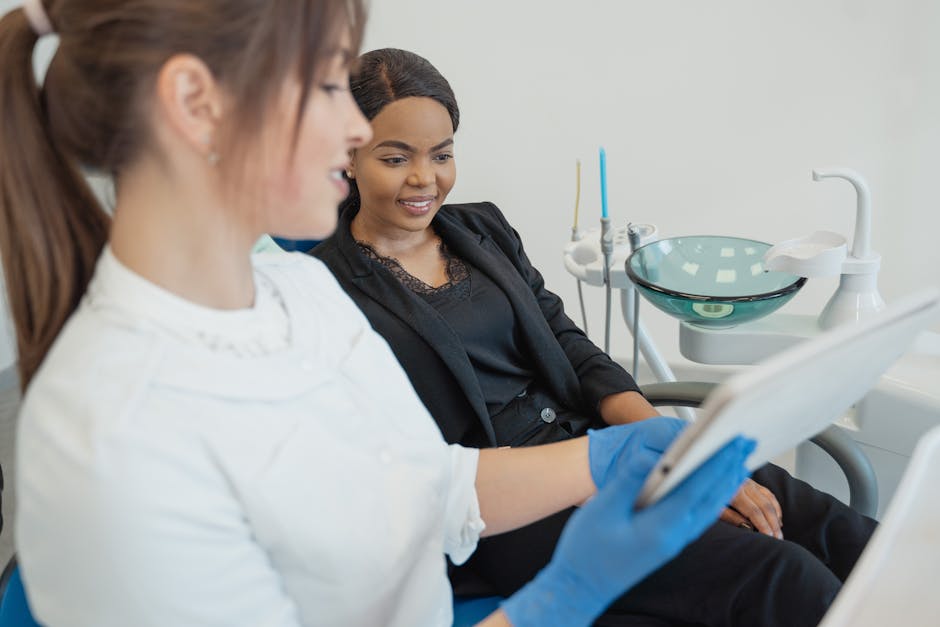
Photo by Tima Miroshnichenko on Pexels
Effective patient interaction is the cornerstone of successful PHC. Without it, even the best services won't reach or benefit people effectively.
- Building Trust and Rapport: Patients are more likely to share vital information, adhere to treatment plans, and participate in their care if they trust their healthcare providers. This involves active listening, empathy, and respect.
- Effective Communication: Using clear, understandable language, avoiding jargon, and confirming patient comprehension. It's a two-way street where you listen as much as you speak.
- Shared Decision-Making: Involving patients in decisions about their health care. This means explaining options, discussing potential benefits and risks, and respecting their preferences and values. It shifts the dynamic from "provider knows best" to a partnership.
- Cultural Competence: Understanding and respecting diverse cultural beliefs, values, and practices that influence health and illness. This helps tailor care appropriately and avoid misunderstandings.
- Health Literacy: Assessing a patient's ability to understand basic health information and services. You might need to adapt your communication style or materials to ensure they can make informed decisions.
Here's how the core principles of PHC link together with patient interaction:
graph TD
    A["Universal Access & Equity"] --> B["Empowered People & Communities"]
    C["Community Participation"] --> B
    D["Intersectoral Collaboration"] --> A
    E["Health Promotion & Prevention"] --> A
    F["Appropriate Technology"] --> A
    B -- "Requires" --> G["Effective Patient Interaction"]
    G -- "Fosters" --> H["Shared Decision-Making"]
    G -- "Builds" --> I["Trust & Rapport"]
    G -- "Enables" --> J["Health Literacy"]
    G -- "Promotes" --> K["Cultural Competence"]
    H --> L["Improved Health Outcomes"]
    I --> L
    J --> L
    K --> L
    A -- "Supports" --> L
    E -- "Leads to" --> L
3. Worked Example
Imagine you're a public health nurse working in a rural community where there's a higher-than-average rate of type 2 diabetes.
PHC Approach: Instead of just treating sick individuals in a clinic, you organize community meetings to understand local perspectives on diet, exercise, and access to healthy foods. You collaborate with local farmers' markets to promote affordable produce, partner with the local school to integrate nutrition education, and work with community leaders to start walking groups.
Patient Interaction: A new patient, Mr. Rodriguez, comes in with elevated blood sugar. Instead of simply telling him what to do, you first ask about his lifestyle, cultural food preferences, and any barriers he faces (e.g., cost, transportation). You explain what type 2 diabetes is in simple terms, using visual aids. You then discuss various options for managing his blood sugar – dietary changes, exercise, and medication – outlining pros and cons for each, and asking him what he feels is achievable for him. Together, you set realistic, culturally appropriate goals, such as swapping one sugary drink a day for water and starting short, daily walks with a neighbor. You schedule a follow-up to check on his progress and adjust the plan as needed, emphasizing that his input is essential.
4. Key Takeaways
- PHC is a broad, holistic approach to health focused on equity, accessibility, and community involvement.
- It prioritizes health promotion and disease prevention over just treating illness.
- Effective patient interaction is fundamental to PHC, building trust and ensuring care is people-centered.
- Shared decision-making empowers patients and leads to better health outcomes.
- Understanding cultural context and health literacy are vital for meaningful patient engagement.
- PHC requires collaboration across different sectors to address the root causes of health issues.
- The Alma-Ata Declaration laid the groundwork for PHC's principles of "Health for All."
Common mistakes you should avoid:
- Assuming patients understand medical jargon.
- Dictating treatment plans without patient input.
- Overlooking the social and environmental factors affecting a patient's health.
- Neglecting to involve the community in health planning.
- Believing that PHC is solely about providing basic clinical services.
5. Now Try It
You're tasked with improving childhood vaccination rates in a low-income urban neighborhood where rates are lagging. Describe how you'd apply PHC principles and effective patient interaction strategies to address this challenge. What steps would you take, and how would you engage parents and community members? Your success will look like a clear, actionable plan that incorporates all the PHC principles and outlines specific patient interaction techniques.
Frequently asked about Foundations of Primary Health Care (PHC) and Patient Interaction
Get the full Public Health Care curriculum
Clone the complete plan to your dashboard for unlimited AI-generated notes, practice quizzes, and a personalised revision schedule.
Create Free Account