Теоретические основы планирования учебного занятия
From the план учебного занятия curriculum
Теоретические основы планирования учебного занятия
TL;DR
You're learning how to plan a lesson effectively, focusing on structure, goals, and content. We'll cover the key elements of a well-designed lesson plan, aligning it with regulatory requirements. You'll also learn how to integrate character-building goals from the "Адал азамат" program into your lessons.
1. The Mental Model
Think of a lesson plan as your roadmap for a successful class. It helps you organize your thoughts, ensure all necessary content is covered, and define clear learning outcomes for your students. It's not just a formality; it's a tool for effective teaching.
2. The Core Material
Planning an educational activity, or "учебное занятие," involves several key theoretical principles to ensure it's effective, engaging, and meets specific learning objectives. Your task is to revise existing lesson plans to comply with Order No. 130 of the Ministry of Education and Science of the Republic of Kazakhstan dated 06.04.2022. This order outlines the structured approach to lesson planning, and a crucial component is the воспитательная цель (educational/upbringing goal) which must align with the "Адал азамат" program.
Key Components of a Lesson Plan (Приказ № 130 МОН РК)
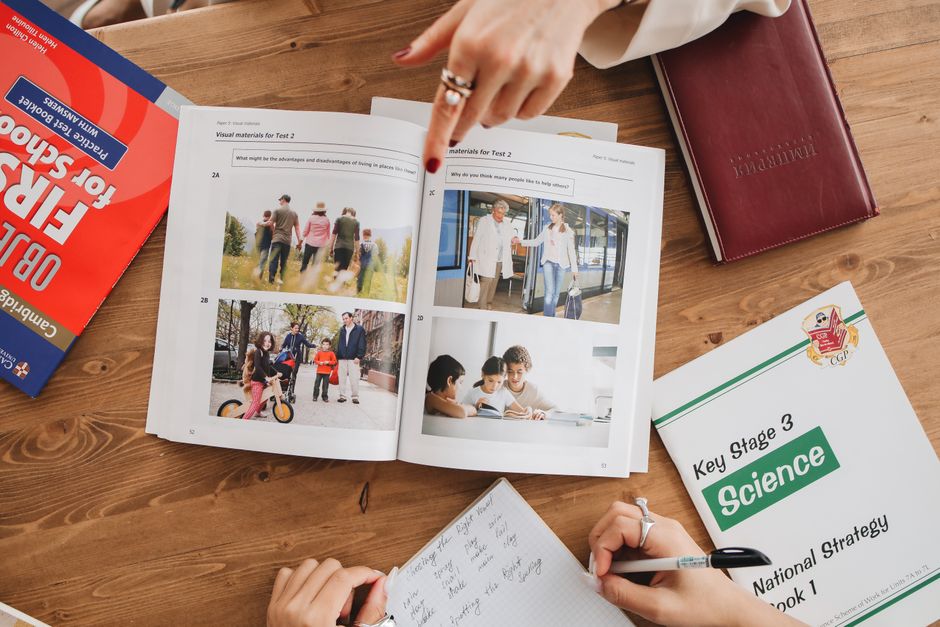
Photo by Polina Tankilevitch on Pexels
According to the specified order, a lesson plan typically includes:
- Тема урока (Lesson Topic): What specifically will be taught.
- Цели обучения (Learning Objectives): What students should know, understand, or be able to do by the end of the lesson. These should be specific, measurable, achievable, relevant, and time-bound (SMART).
- Воспитательная цель (Educational/Upbringing Goal): This is where the "Адал азамат" program comes in. This goal focuses on character development, values, and civic responsibility. It should be explicitly stated and integrated.
- Развивающая цель (Developmental Goal): Aims at developing cognitive skills (e.g., critical thinking, problem-solving), practical skills, or creative abilities.
- Оборудование и наглядность (Equipment and Visual Aids): Materials needed for the lesson.
- Методы обучения (Teaching Methods): Strategies you'll use (e.g., discussion, group work, lecture).
- Ход урока (Lesson Procedure): A step-by-step breakdown of the lesson, including timings and activities. This usually includes:
- Организационный момент (Organizational moment)
- Проверка домашнего задания (Homework check)
- Актуализация знаний (Activating prior knowledge)
- Изучение нового материала (Learning new material)
- Закрепление (Consolidation/Practice)
- Рефлексия (Reflection)
- Домашнее задание (Homework assignment)
- Критерии оценивания (Assessment Criteria): How student learning will be evaluated.
Integrating "Адал азамат" into the Воспитательная цель

Photo by Jeswin Thomas on Pexels
The "Адал азамат" program aims to foster integrity, patriotism, responsibility, diligence, and respect in Kazakhstani youth. When formulating your воспитательная цель, you need to connect your lesson's content to these values.
For example, if your lesson is on "History of Kazakhstan," a воспитательная цель could be: "Воспитание чувства патриотизма и гордости за историческое наследие Казахстана, формирование уважительного отношения к культурным ценностям народа." (Fostering patriotism and pride in Kazakhstan's historical heritage, forming a respectful attitude towards the people's cultural values.)
If your lesson is on "Environmental Protection," it could be: "Развитие чувства ответственности за сохранение окружающей среды и бережного отношения к природным ресурсам, воспитание активной гражданской позиции." (Developing a sense of responsibility for environmental preservation and careful attitude towards natural resources, fostering active civic engagement.)
The key is to make this goal explicit, measurable (even if qualitatively), and demonstrably linked to the lesson's content and activities. It shouldn't just be a generic statement but something you actively work towards during the lesson.
graph TD
    A["Начало планирования"] --> B["Определение темы урока"];
    B --> C["Постановка Целей обучения (SMART)"];
    C --> D{"Формулировка Воспитательной цели"};
    D -- "Соответствие 'Адал азамат'" --> E["Ценности: честность, патриотизм, ответственность, трудолюбие, уважение"];
    D --> F["Формулировка Развивающей цели"];
    F --> G["Выбор Методов обучения"];
    G --> H["Подбор Оборудования и наглядности"];
    H --> I["Разработка Хода урока"];
    I --> J["Определение Критериев оценивания"];
    J --> K["Конец планирования (Готовый план)"];
3. Worked Example
Let's take a simplified example of a lesson plan segment for a 7th-grade history class on "Nomadic Way of Life in Ancient Kazakhstan."
Старый вариант (Old version):
- Тема: Кочевое скотоводство.
- Цель: Изучить особенности кочевого скотоводства.
- Воспитательная цель: Повышение интереса к истории.
Новый вариант (New version) - compliant with Приказ № 130 and "Адал азамат":
- Тема урока: Особенности кочевого скотоводства на территории Казахстана в древности.
- Цели обучения (СМАРТ): К концу урока учащиеся смогут:
- Описывать ключевые характеристики кочевого скотоводства, используя не менее трех примеров.
- Объяснять влияние географических условий на развитие кочевого образа жизни.
- Сравнивать преимущества и недостатки кочевого образа жизни с оседлым.
- Воспитательная цель (в соответствии с "Адал азамат"): Воспитание чувства уважения к историческому прошлому и традициям предков казахского народа, формирование бережного отношения к культурному наследию и понимания роли трудолюбия в выживании кочевых обществ.
- Развивающая цель: Развитие критического мышления через анализ причинно-следственных связей между природными условиями и хозяйственной деятельностью, а также развитие навыков работы с историческими источниками.
- Оборудование и наглядность: Карта "Древний Казахстан", иллюстрации кочевого быта, видеофрагмент, учебник.
Notice how the "Воспитательная цель" moves from a generic statement to a specific one linked to "Адал азамат" values (respect, diligence, cultural heritage) and the lesson's content. The learning goals are also much more specific.
4. Key Takeaways
- Always start planning with a clear understanding of the lesson's topic and learning objectives.
- Your "воспитательная цель" must explicitly align with the values of the "Адал азамат" program.
- Break down your "ход урока" into logical, time-bound steps to ensure smooth delivery.
- Use SMART criteria for your learning objectives (Specific, Measurable, Achievable, Relevant, Time-bound).
- The "развивающая цель" focuses on developing transferable skills like critical thinking or problem-solving.
- Every component of your lesson plan should logically connect to the overall goals.
Common mistakes to avoid:
- Writing vague or generic "воспитательная цель" statements that don't directly link to "Адал азамат."
- Having learning objectives that aren't measurable or observable.
- Skipping the "развивающая цель" or making it identical to the learning objective.
- Not planning for how student learning will be assessed.
5. Now Try It
Take an existing lesson plan of yours (or create a simple one for a topic you know well). Review its "Цели обучения," "Воспитательная цель," and "Развивающая цель." Rewrite these sections to strictly conform to the requirements of Приказ № 130 МОН РК от 06.04.2022, especially by integrating a specific "Адал азамат" value into your "воспитательная цель." What success looks like: You'll have clear, measurable learning objectives, a distinct developmental goal, and a "воспитательная цель" that explicitly references a relevant "Адал азамат" principle, all while making logical sense for your chosen lesson topic.
Frequently asked about Теоретические основы планирования учебного занятия
Get the full план учебного занятия curriculum
Clone the complete plan to your dashboard for unlimited AI-generated notes, practice quizzes, and a personalised revision schedule.
Create Free Account