Introduction à la Pharmacie et au Rôle du Pharmacien
From the Pharmacie pratique, galénique et laboratoire curriculum
Introduction à la Pharmacie et au Rôle du Pharmacien
TL;DR
Pharmacy is more than just dispensing meds; it's a vital healthcare profession focused on optimizing patient health through medication expertise. Pharmacists are accessible health professionals who ensure safe and effective use of medicines. Understanding their diverse roles is crucial for anyone entering the field.
1. The Mental Model
Think of a pharmacist as your personal medication expert. They're the guardians of safe and effective medicine use, bridging the gap between doctor's orders and patient well-being, always ready to help you understand your treatments.
2. The Core Material
You're starting a journey into pharmacy, a dynamic and essential field within healthcare. It's not just about counting pills; it's a science, an art, and a profound responsibility.
Qu'est-ce que la Pharmacie?
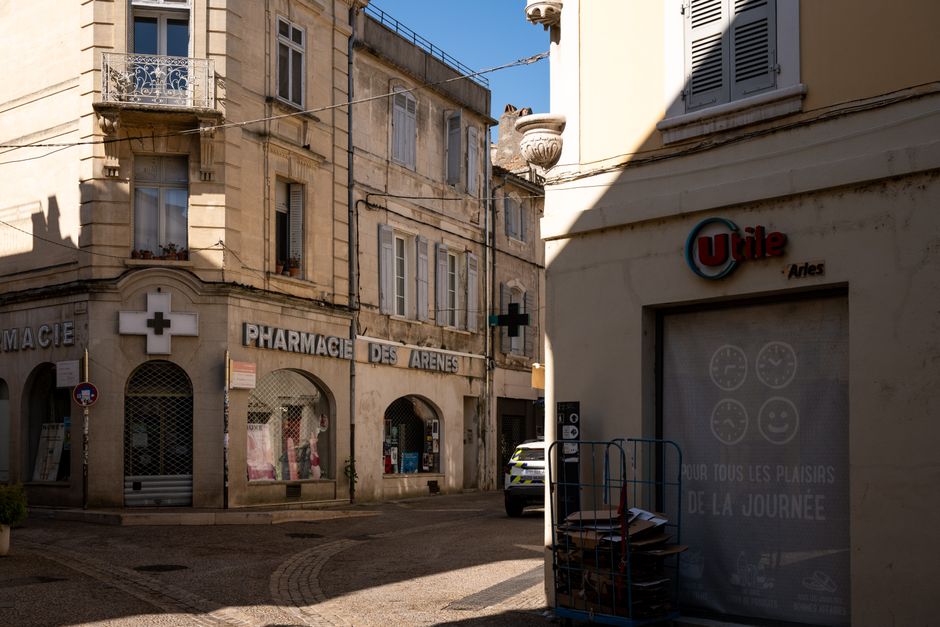
Photo by Bingqian Li on Pexels
Pharmacy is the health profession that links health sciences with chemical sciences. It's responsible for the discovery, production, control, disposal, safe and effective use of medications, and their associated services. Essentially, it's about optimizing health outcomes through the proper use of medicines.
Le Rôle du Pharmacien

Photo by Emmanuel Codden on Pexels
The pharmacist's role has evolved significantly. Historically, they compounded remedies. Today, while compounding still exists, their primary focus is on patient care, medication management, and public health. You'll find pharmacists in various settings, each with distinct responsibilities.
Here's a breakdown of the main roles:
- Pharmacien d'Officine (Community Pharmacist): This is likely what you imagine when you think of a pharmacist. They dispense prescriptions, provide over-the-counter advice, counsel patients on medication use, manage minor ailments, perform health screenings, and act as a first point of contact for many health concerns. They're highly accessible healthcare providers.
- Pharmacien Hospitalier (Hospital Pharmacist): Working within hospitals, these pharmacists manage medication supply, ensure safe prescribing and administration within patient wards, advise doctors and nurses, prepare sterile products (like IV drips), and monitor drug therapy for hospitalized patients. Their focus is on optimizing medication regimens in complex hospital environments.
- Pharmacien Biologiste (Clinical Pathologist Pharmacist): Found in clinical laboratories, they perform and interpret biological analyses (blood tests, urine tests, etc.) to diagnose diseases, monitor treatment effectiveness, and screen for health conditions. They're critical for informing clinical decisions.
- Pharmacien dans l'Industrie Pharmaceutique (Industrial Pharmacist): These pharmacists work in drug manufacturing companies. Their roles can span research and development (discovering new drugs), quality control (ensuring drug safety and efficacy), regulatory affairs (navigating approvals with health authorities), production, and marketing.
- Pharmacien Inspecteur (Regulatory Pharmacist): Employed by health authorities, they ensure compliance with pharmaceutical laws and regulations in pharmacies, hospitals, and manufacturing sites. They safeguard public health by enforcing standards.
graph TD
    A["Le Rôle du Pharmacien"] --> B("Dispensation et Conseil aux Patients")
    A --> C("Préparation des Médicaments")
    A --> D("Gestion des Médicaments")
    A --> E("Conseil aux Professionnels de Santé")
    A --> F("Surveillance de la Thérapeutique")
    A --> G("Recherche et Développement")
    A --> H("Santé Publique et Prévention")

    B --> B1["Pharmacien d'Officine (ex: conseils sur médicaments sans ordonnance)"]
    B --> B2["Pharmacien Hospitalier (ex: éducation thérapeutique)"]

    C --> C1["Préparation Magistrale (sur mesure)"]
    C --> C2["Préparations Hospitalières Stériles"]

    D --> D1["Gestion des Stocks (officine, hôpital)"]
    D2["Approvisionnement et Sécurisation"]

    E --> E1["Collaboration Médecin-Pharmacien"]
    E2["Formation des équipes soignantes"]

    F --> F1["Pharmacovigilance (suivi effets indésirables)"]
    F2["Suivi des Traitements Chroniques"]

    G --> G1["Découverte de Nouveaux Médicaments"]
    G2["Essais Cliniques"]

    H --> H1["Campagnes de Vaccination"]
    H2["Dépistage (ex: diabète, hypertension)"]
La Galénique

Photo by Nico de Beer on Pexels
Galenics is a core part of pharmacy. It's the science and art of preparing and formulating drugs into suitable dosage forms (e.g., tablets, capsules, creams, injections). It considers factors like stability, bioavailability (how much drug reaches its target), and patient acceptability. A poorly formulated drug, even if potent, won't be effective. You'll learn about different excipients (inactive ingredients), manufacturing processes, and quality control.
Le Laboratoire Pharmaceutique
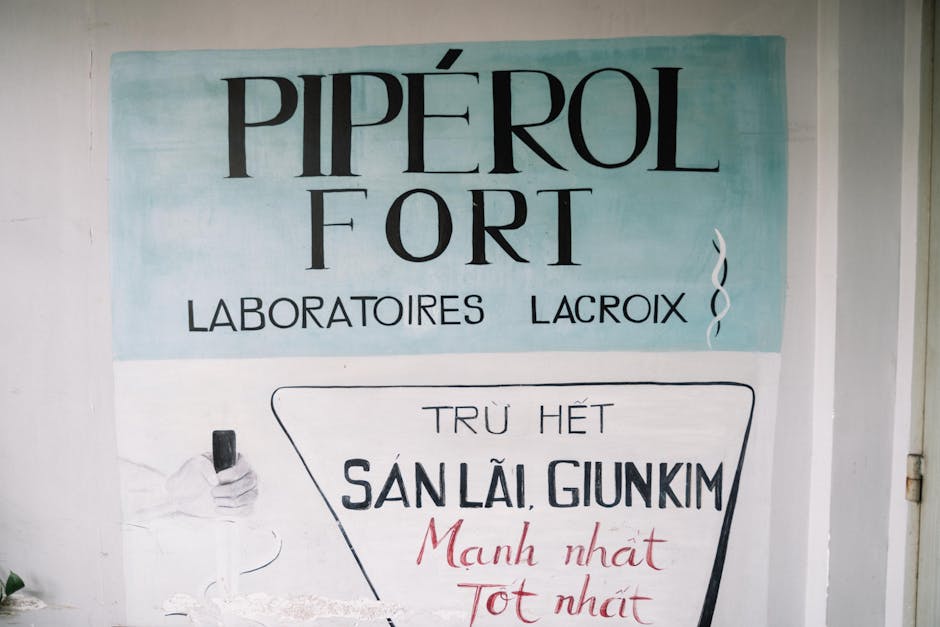
Photo by Anna Tarazevich on Pexels
"Laboratoire" in this context refers to various practical aspects:
- Laboratoire d'Officine: This is the back area of a community pharmacy where pharmacists prepare magistral (custom-made for a specific patient) or officinal (made according to pharmacopoeia standards) preparations.
- Laboratoire Hospitalier: In hospitals, this includes areas for sterile compounding, quality control of preparations, and sometimes toxicology or clinical pharmacy labs.
- Laboratoire d'Analyse Médicale: As mentioned with the biologiste role, these labs perform diagnostic tests.
- Laboratoire de Recherche et Développement (R&D): In industry, these are where new drug candidates are synthesized, tested, and formulated.
The common thread is the practical application of scientific knowledge to ensure the safety, efficacy, and quality of medicines.
3. Worked Example
Imagine you're a pharmacist in a community setting. A patient, Mme Dubois, comes to you with a new prescription for an antibiotic, "Amoxicilline 500mg, 3 fois par jour pendant 7 jours."
Your steps as the pharmacist:
- Validation de l'ordonnance: You check for potential drug interactions with other medications Mme Dubois might be taking (you ask her), appropriate dosage, and duration.
- Préparation du médicament: You retrieve the Amoxicilline. If it were a liquid for a child, you'd accurately reconstitute it with water in the lab.
- Conseil au patient: You explain:
- "Prenez ce médicament toutes les 8 heures, même si vous vous sentez mieux, pour tuer toutes les bactéries."
- "Prenez-le avec un grand verre d'eau."
- "Ne partagez pas ce médicament."
- "Attention aux effets secondaires comme des maux d'estomac ou des diarrhées. Si ça devient trop fort, contactez votre médecin."
- "Rapportez les restes à la pharmacie pour une élimination sécurisée."
- Enregistrement: You document the dispense in her patient file for future reference and medication history.
This simple interaction demonstrates key pharmacist roles: dispensing, patient counseling, drug interaction screening, and public health advice.
4. Key Takeaways
- Pharmacy encompasses the entire lifecycle of medication, from discovery to patient use.
- Pharmacists play diverse roles, including direct patient care, hospital medication management, laboratory diagnostics, and industrial development.
- The community pharmacist is often the most accessible healthcare professional for medication advice and minor ailments.
- Galenics is crucial for formulating drugs into effective and safe dosage forms.
- Pharmacists are responsible for ensuring the safe, effective, and appropriate use of all medicines.
- The role of a pharmacist is continuously evolving, with an increasing focus on patient-centered care.
- Proper counseling and patient education are integral to optimizing treatment outcomes.
Common mistakes to avoid:
- Underestimating the breadth and depth of the pharmacist's responsibilities beyond dispensing.
- Not recognizing the critical public health role pharmacists play in prevention and education.
- Forgetting that safe medication use requires constant vigilance and patient-specific adjustments.
- Neglecting the importance of galenics in ensuring a drug actually works as intended.
5. Now Try It
For the next 15 minutes, research a specific ethical dilemma a pharmacist might face (e.g., dispensing medication against one's moral beliefs, confidentiality issues with a minor, drug diversion). Think about the professional guidelines or laws that would guide their decision. Success looks like you identifying the core conflict and outlining at least two potential courses of action a pharmacist could take, explaining the pros and cons of each, citing professional obligations.
Frequently asked about Introduction à la Pharmacie et au Rôle du Pharmacien
Get the full Pharmacie pratique, galénique et laboratoire curriculum
Clone the complete plan to your dashboard for unlimited AI-generated notes, practice quizzes, and a personalised revision schedule.
Create Free Account