Introduction to Christian Living Experience (CLE)
From the CLE curriculum
Introduction to Christian Living Experience (CLE)
TL;DR
CLE isn't just another school subject; it's about exploring your faith and how it shapes your everyday life. It helps you understand God, yourself, and your role in the world around you. This course encourages personal reflection, moral decision-making, and living out Christian values.
1. The Mental Model
Think of CLE as a compass for your life, guiding your choices and understanding through the lens of Christian faith. It's not about memorizing facts, but about applying principles to grow spiritually and personally. You're learning how to navigate life's challenges with faith as your guide.
2. The Core Material
CLE, or Christian Living Experience, is designed to help you integrate your faith with your daily life. It’s more than just religious studies; it’s about understanding what it means to live as a Christian in the modern world. We'll cover several key areas that build a holistic picture of Christian living.
Understanding God and Faith
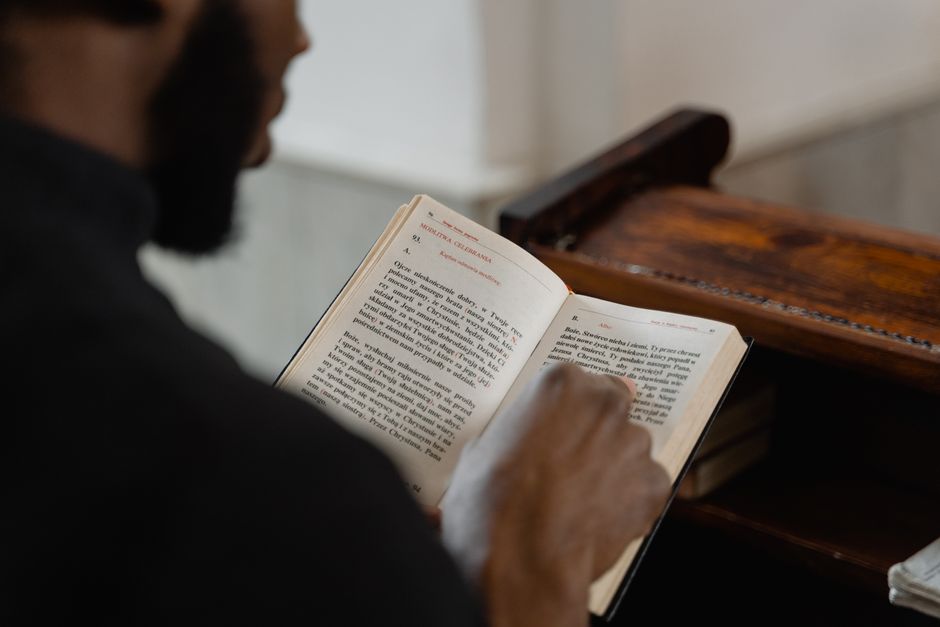
Photo by MART PRODUCTION on Pexels
At its heart, CLE starts with understanding who God is, what He’s revealed about Himself, and what faith means. This isn't just abstract theology; it's about forming a personal relationship with God. You'll learn about key Christian beliefs, stories from the Bible, and how these inform your understanding of the divine.
Developing Your Moral Compass

Photo by Steppe Walker on Pexels
A significant part of CLE involves developing your moral decision-making skills. You'll explore Christian ethics and values, learning how to apply them to real-life situations. This includes topics like honesty, compassion, justice, and responsibility. It’s about asking, "What would a Christian response look like here?"
Your Role in the Community and World

Photo by Thirdman on Pexels
CLE also looks outward. It encourages you to think about your role within your family, school, church, and the wider community. We'll discuss social justice, service to others, and how Christians are called to be agents of positive change in the world. It’s about understanding that faith isn't just personal, but also communal and active.
Personal Growth and Spirituality

Photo by RAY LEI on Pexels
Finally, CLE is deeply personal. It encourages self-reflection, helping you explore your own spiritual journey, personal strengths, and areas for growth. You'll learn about different spiritual practices like prayer, meditation, and service, and how they can deepen your relationship with God and others.
Here’s a simple way to visualize the interconnected aspects of CLE:
graph TD
    A["CLE: Christian Living Experience"] --> B["Understanding God & Faith"];
    A --> C["Developing Moral Compass"];
    A --> D["Your Role in Community & World"];
    A --> E["Personal Growth & Spirituality"];

    B --> F["Bible & Core Beliefs"];
    C --> G["Christian Ethics & Values"];
    D --> H["Social Justice & Service"];
    E --> I["Self-Reflection & Practices"];
3. Worked Example
Imagine you're faced with a choice: a friend asks you to lie to a teacher to cover for them. Through CLE, you’ve learned about honesty (a core Christian value) and the importance of integrity. Instead of just "feeling bad," you can analyze the situation: What does God's word say about truthfulness? How does this choice impact your friend, the teacher, and your own character? A Christian living approach would lead you to gently explain to your friend why lying isn't the right path, perhaps offering to help them face the consequences honestly, rather than participating in the deception. This shows how faith informs a practical, ethical decision.
4. Key Takeaways
- CLE is about integrating Christian faith into your everyday actions and decisions.
- It helps you build a deeper understanding of God and core Christian beliefs.
- You'll learn to apply Christian ethics and values to real-life moral dilemmas.
- CLE encourages you to see your place and responsibility within your community and the wider world.
- It's a journey of personal spiritual growth and self-discovery.
- The course emphasizes active participation and reflection, not just memorization.
- Your faith isn't just a set of rules; it's a living relationship that guides your life.
Common Mistakes to Avoid:
- Don't view CLE as just another academic subject to pass; it's meant for personal application.
- Avoid simply memorizing concepts without reflecting on how they apply to your own life.
- Don't be afraid to ask questions or share your personal struggles; this course is a safe space for growth.
- Don't assume Christian living is only about church; it's about how you live everywhere.
5. Now Try It
For the next 15 minutes, think about a recent decision you made, big or small. Reflect on what factors influenced your choice. Then, consider how a Christian living perspective (thinking about faith, values, or your role as a Christian) might have influenced or affirmed that decision. Write down a few sentences about your reflection. Success looks like identifying at least one connection between your decision and a Christian principle.
Frequently asked about Introduction to Christian Living Experience (CLE)
Get the full CLE curriculum
Clone the complete plan to your dashboard for unlimited AI-generated notes, practice quizzes, and a personalised revision schedule.
Create Free Account