Foundations of Antimicrobial Agents
From the Infections curriculum
Foundations of Antimicrobial Agents
TL;DR
Antimicrobial agents are drugs designed to kill or slow the growth of microbes, mainly bacteria, with minimal harm to you. They work by targeting unique microbial processes, but microbes can evolve resistance, making these drugs less effective. Understanding these mechanisms and resistance is key to using them wisely.
1. The Mental Model
Think of antimicrobial agents as highly specific weapons. They're designed to hit unique targets on an invading microbe, like its cell wall or its ability to make proteins, without accidentally hitting your healthy cells. Each different type of weapon has its own way of working.
2. The Core Material
Antimicrobial agents are medicines that either kill (known as bactericidal) or stop the growth of (known as bacteriostatic) pesky microbes, primarily bacteria. The goal is to get rid of the infection while causing the least amount of harm to your body.
They achieve this by targeting specific processes or structures that are essential for the microbe's survival but are either absent or very different in human cells. This is called selective toxicity. Without selective toxicity, the drugs would be too toxic for you.
Here are the main ways they work:
Targeting the Bacterial Cell Wall

Photo by turek on Pexels
Many bacteria have a rigid cell wall that human cells don't. Drugs like penicillins and cephalosporins (a group called beta-lactam antibiotics) interfere with the synthesis of this wall, causing the bacteria to burst.
Damaging the Cell Membrane

Photo by Monstera Production on Pexels
Some drugs can disrupt the bacterial cell membrane, leading to leakage of essential substances and eventual death. Polymyxins are an example.
Inhibiting Protein Synthesis
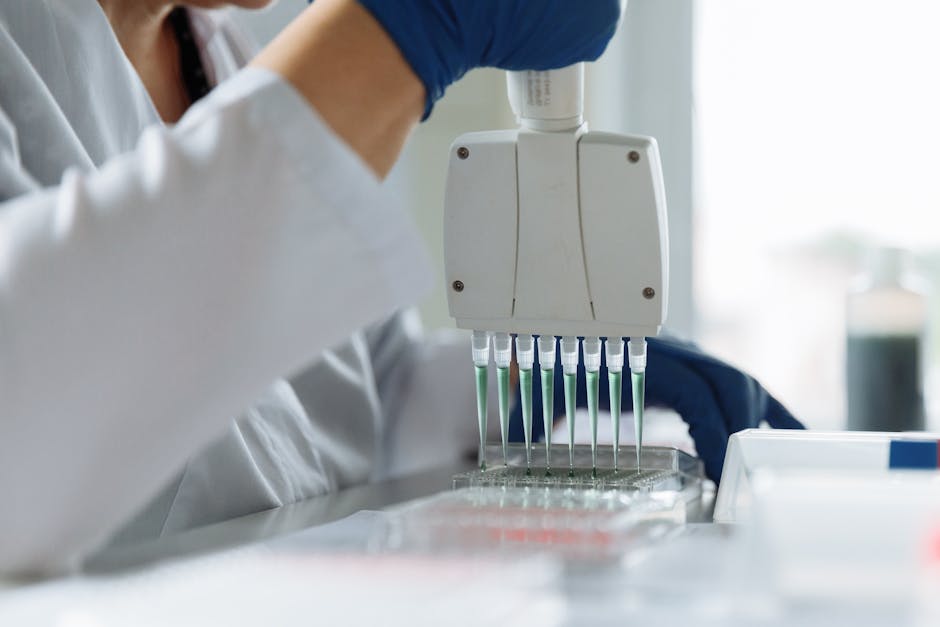
Photo by Thirdman on Pexels
Bacteria need to make proteins to grow and function. Antibiotics like tetracyclines, macrolides (e.g., azithromycin), and aminoglycosides (e.g., gentamicin) bind to bacterial ribosomes (the protein-making machinery) and stop this process. Human ribosomes are different enough that these drugs don't usually affect them.
Inhibiting Nucleic Acid Synthesis

Photo by Pixabay on Pexels
Microbes also need to make DNA and RNA to replicate. Drugs like fluoroquinolones (e.g., ciprofloxacin) interfere with DNA replication, while rifampin inhibits RNA synthesis.
Interfering with Metabolic Pathways
Some antibiotics block specific metabolic pathways unique to bacteria. Sulfonamides, for example, block the synthesis of folic acid, which bacteria need to make DNA and RNA but humans get from their diet.
Understanding Antimicrobial Resistance
The biggest challenge with antimicrobials is resistance. This happens when microbes evolve ways to survive exposure to drugs that were once able to kill or inhibit them. It's a huge problem, making infections harder to treat.
Here's how bacteria develop resistance:
graph TD
    A["Drug is Administered"] --> B("Susceptible Bacteria Die");
    B --> C{"Rare Resistant Mutant Bacteria Survive"};
    C --> D("Resistant Bacteria Multiply");
    D --> E("Resistance Gene Spreads to Other Bacteria");
    E --> F("Drug Becomes Ineffective");
Bacteria can become resistant in several ways:
* Enzymatic Degradation: Bacteria produce enzymes that break down the antibiotic (e.g., beta-lactamase enzymes breaking down penicillin).
* Altered Target Site: Bacteria change the part of their cell that the antibiotic usually binds to, so the drug can't attach effectively.
* Reduced Permeability/Efflux Pumps: Bacteria can make their outer membrane harder for the drug to get through, or they can pump the drug right back out of the cell before it can do damage.
* New Metabolic Pathways: Bacteria might develop new ways to perform essential functions, bypassing the pathway the antibiotic targets.
Factors Contributing to Resistance
- Overuse and Misuse of Antibiotics: Taking antibiotics for viral infections (where they don't work) or not finishing a prescribed course of antibiotics.
- Agricultural Use: Antibiotics used in livestock can contribute to resistance.
- Lack of New Drugs: Not enough new types of antibiotics are being developed.
3. Worked Example
Let's say you have a bacterial infection. The doctor prescribes amoxicillin, a common antibiotic. Amoxicillin works by targeting the bacterial cell wall synthesis. It's a bactericidal drug, meaning it directly kills the bacteria by causing their cell walls to weaken and burst.
You start taking the amoxicillin, and you feel better. However, you stop taking it after 3 days, even though the prescription was for 7 days. Imagine there were a few, rare bacteria that had a slightly modified cell wall structure, making them a tiny bit less affected by amoxicillin. While most of the susceptible bacteria died, these "slightly resistant" ones survived because you stopped the treatment early. Now, with less competition from the dead bacteria, these slightly resistant ones multiply rapidly. The next time you get a similar infection, amoxicillin might not work because you've inadvertently selected for more resistant bacteria.
This is why finishing the full course of antibiotics, even if you feel better, is so crucial.
4. Key Takeaways
- Antimicrobial agents are drugs designed to target and kill or inhibit the growth of microbes, primarily bacteria.
- They achieve this through selective toxicity, attacking structures or processes found in microbes but not in human cells.
- Common targets include the bacterial cell wall, cell membrane, protein synthesis, nucleic acid synthesis, and unique metabolic pathways.
- Antimicrobial resistance is a major issue where microbes evolve to survive drug exposure, making infections harder to treat.
- Resistance mechanisms include enzymatic degradation, altered drug targets, reduced drug uptake or increased efflux, and bypassing metabolic pathways.
- Overuse, misuse, and incomplete courses of antibiotics are major drivers of resistance.
- Stopping antibiotics early can leave behind more resistant bacteria, leading to future treatment failures.
5. Now Try It
Think about a common bacterial infection, like strep throat (caused by Streptococcus pyogenes). If you were designing a new antibiotic to fight it, what would be one specific bacterial target you'd aim for, and why would that target be a good example of selective toxicity? (Hint: Consider what S. pyogenes has that human cells don't.) What would be one potential way S. pyogenes could develop resistance to your new drug?
Frequently asked about Foundations of Antimicrobial Agents
Get the full Infections curriculum
Clone the complete plan to your dashboard for unlimited AI-generated notes, practice quizzes, and a personalised revision schedule.
Create Free Account