Understanding Stress: Definitions and Causes
From the PEH 3 curriculum
TL;DR
Stress is your body's natural response to any demand or threat, helping you react quickly. While some stress can be helpful, chronic or excessive stress can negatively impact your physical and mental health. Many factors, both internal and external, can trigger this response.
1. The Mental Model
Think of stress as your internal alarm system. When it senses a threat or challenge, it goes off, preparing your body to either fight or run away. This system is crucial for survival, but sometimes it gets triggered unnecessarily or stays on too long.
2. The Core Material
Stress is a common experience, but its meaning can be a bit broad. Let's break it down into what it is and what makes it happen.
Your body generally reacts to stress in a similar way, whether the stressor is positive (like a new job excitement) or negative (like a looming deadline). This reaction is often called the "fight-or-flight" response.
What is Stress?

Photo by Helena Lopes on Pexels
Stress is essentially your body's way of responding to any kind of demand or threat. When you encounter something new, challenging, or dangerous, your brain triggers a rapid chain of events. Hormones like adrenaline and cortisol are released, leading to physical changes such as increased heart rate, faster breathing, and tense muscles. This prepares you to deal with the situation.
It's important to differentiate between different types:
- Eustress (Good Stress): This is positive stress that can motivate you and improve performance. Think of the excitement before a game or a presentation. It's often short-lived and feels invigorating.
- Distress (Bad Stress): This is negative stress that can be overwhelming and lead to anxiety, fatigue, and other health problems. This happens when the demands on you exceed your ability to cope, or when stress becomes chronic.
What Causes Stress? (Stressors)
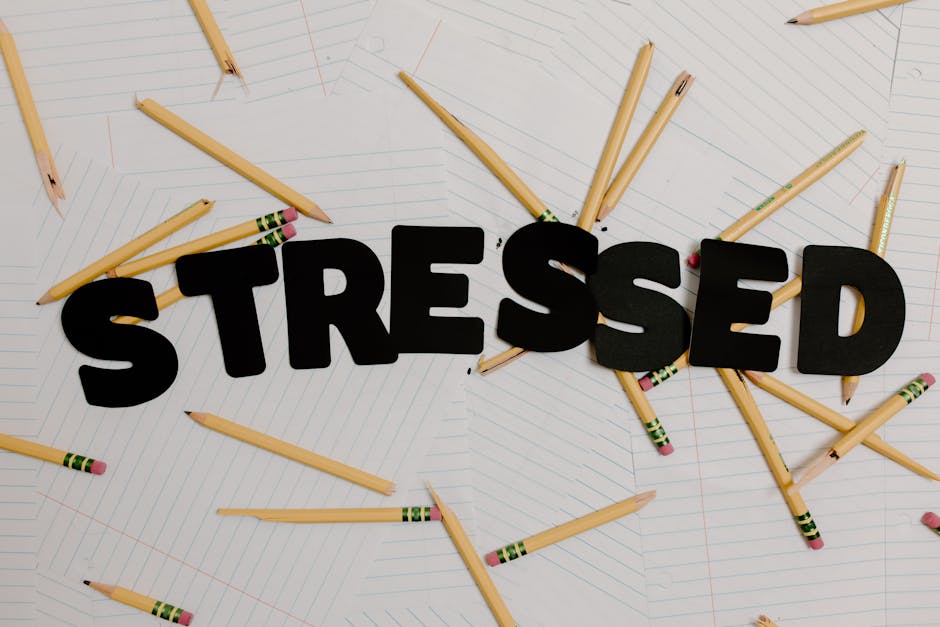
Photo by Tara Winstead on Pexels
The things that trigger stress are called stressors. These can be anything from major life events to daily hassles. We can categorize them broadly:
- External Stressors: These come from your environment or circumstances.
- Major Life Events: Things like moving, starting a new school, a breakup, or a death in the family.
- Work/School Pressures: Deadlines, heavy workloads, conflicts with peers or teachers, fear of failure.
- Relationship Problems: Arguments, loneliness, communication issues.
- Financial Issues: Bills, debt, job insecurity.
- Environmental Factors: Noise pollution, unsafe living conditions, traffic, air quality.
- Internal Stressors: These come from within you, often related to your thoughts, feelings, and habits.
- Negative Self-Talk: Constant worry, perfectionism, low self-esteem, self-criticism.
- Unrealistic Expectations: Setting excessively high standards for yourself or others.
- Poor Time Management: Feeling overwhelmed by too many tasks and insufficient time.
- Inability to Accept Uncertainty: A constant need for control or fear of the unknown.
- Poor Lifestyle Choices: Lack of sleep, unhealthy diet, insufficient physical activity.
Here's how these causes can lead to a stress response:
graph TD
    A["Stressor (External or Internal)"] --> B["Brain perceives Threat/Demand"]
    B --> C["Hypothalamus activates 'Fight-or-Flight'"]
    C --> D["Adrenal Glands release Stress Hormones (Adrenaline, Cortisol)"]
    D --> E["Physical Symptoms (Increased Heart Rate, Muscle Tension, etc.)"]
    E --> F{"Stress Response"}
    F --> G["Eustress (Positive Outcome, Motivation)"]
    F --> H["Distress (Negative Outcome, Health Issues)"]
    G -.- A;
    H -.- A;
3. Worked Example
Let's imagine you have a big presentation in your PEH class next week.
An external stressor is the "upcoming presentation". This triggers an internal stressor, perhaps "fear of public speaking" or "perfectionism" about your grade.
Your brain perceives this as a demand and a potential threat (of embarrassment or poor performance). Your body's stress response kicks in: your heart races a bit when you think about it, you feel a knot in your stomach, and you might find it hard to focus on other tasks.
For some, this could be eustress: the pressure motivates you to prepare thoroughly, practice your speech, and feel a surge of energy during the presentation. You perform well and feel accomplished afterwards.
For others, it might be distress: the anxiety becomes overwhelming, leading to procrastination, sleepless nights, and perhaps even a panic attack before the presentation. Your performance suffers, and you feel drained and anxious for days afterward.
4. Key Takeaways
- Stress is your body's natural "fight-or-flight" response to demands or threats.
- Eustress is positive stress that can motivate you and enhance performance.
- Distress is negative stress that can be overwhelming and harmful if prolonged.
- Stressors are the causes of stress and can be external (from your environment) or internal (from your thoughts/habits).
- Major life changes, academic pressures, relationship issues, and financial worries are common external stressors.
- Negative self-talk, perfectionism, unrealistic expectations, and poor lifestyle choices are common internal stressors.
Common Mistakes to Avoid:
- Don't ignore persistent feelings of distress, thinking they'll just go away.
- Don't confuse "being busy" with "being stressed" – you can be busy without experiencing distress.
- Don't assume all stress is bad; recognize the benefits of eustress.
- Don't overlook internal factors as significant causes of your stress.
5. Now Try It
For the next 15 minutes, reflect on your past week. Identify at least three specific situations where you felt stressed. For each situation, determine:
1. Was it primarily eustress or distress?
2. What specific external stressor(s) contributed to it?
3. What specific internal stressor(s) (like thoughts or habits) also played a role?
Success looks like clearly identifying the type of stress and at least one external and one internal stressor for each situation.
Frequently asked about Understanding Stress: Definitions and Causes
Study this next
Get the full PEH 3 curriculum
Clone the complete plan to your dashboard for unlimited AI-generated notes, practice quizzes, and a personalised revision schedule.
Create Free Account