Introduction to Respiration and Respiratory Organs
From the Breathing And Exchange Of Gases curriculum
Introduction to Respiration and Respiratory Organs
TL;DR
Respiration is how your body gets oxygen and releases carbon dioxide. It happens at two main levels: breathing in and out, and gas exchange at the cellular level. This process is vital for producing the energy your cells need to function.
1. The Mental Model
Think of your body as a car. You need fuel (food) and oxygen to burn that fuel for energy to move. Respiration is like opening the hood and making sure enough air gets in for combustion and that exhaust gases are removed.
2. The Core Material
Respiration isn't just breathing; it's a two-part process. External respiration (which we often just call "breathing") is the physical act of getting air into and out of your lungs. Internal respiration is the exchange of gases (oxygen and carbon dioxide) between your blood and your body cells. Both are crucial for life.
2.1 Why Respire?

Photo by Anil Sharma on Pexels
Your cells constantly need energy to do everything—think, move, grow, repair. This energy comes mainly from breaking down glucose (a sugar) through a process called cellular respiration. This process requires oxygen and produces carbon dioxide as a waste product. So, you need a system to bring in oxygen and get rid of CO2.
2.2 Respiratory Organs
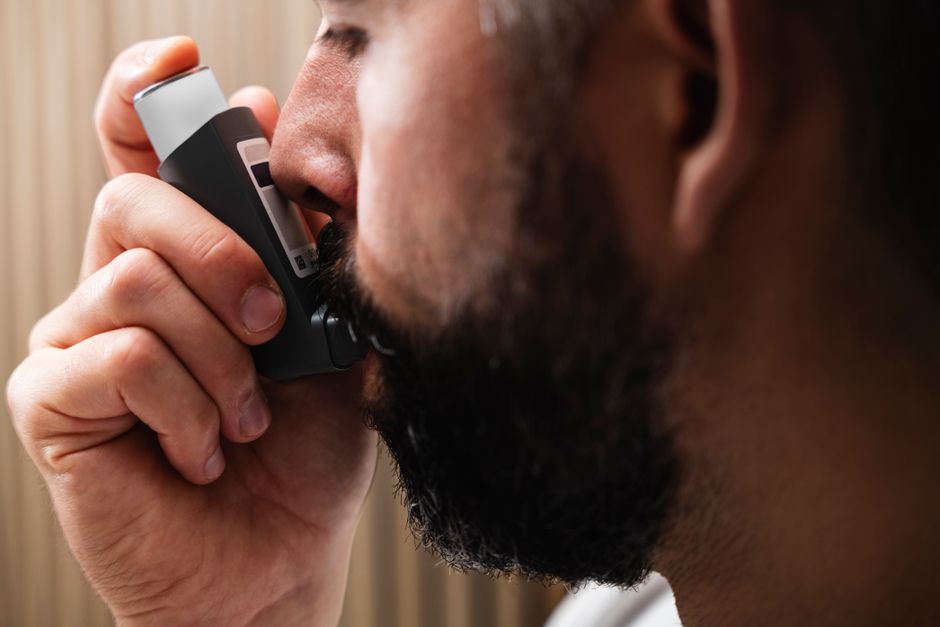
Photo by Cnordic Nordic on Pexels
Your respiratory system is a network of organs that work together for gas exchange. Air enters through your nose (or mouth) and passes through the pharynx (throat) and larynx (voice box). From there, it goes into the trachea (windpipe), which branches into two main bronchi (one for each lung). These bronchi further divide into smaller and smaller tubes called bronchioles.
At the end of the bronchioles are tiny air sacs called alveoli. This is where the magic happens! The walls of the alveoli are super thin and surrounded by capillaries (tiny blood vessels). Oxygen from the inhaled air diffuses across the alveolar and capillary walls into your blood, and carbon dioxide from the blood diffuses into the alveoli to be exhaled.
Your lungs are the primary organs, containing all these bronchioles and alveoli. The diaphragm and intercostal muscles (between your ribs) are key muscles that help you inhale and exhale by changing the volume of your chest cavity.
graph TD
    A["Nose/Mouth"] --> B["Pharynx (Throat)"]
    B --> C["Larynx (Voice Box)"]
    C --> D["Trachea (Windpipe)"]
    D --> E1["Bronchus (Left)"]
    D --> E2["Bronchus (Right)"]
    E1 --> F1["Bronchioles (Left Lung)"]
    E2 --> F2["Bronchioles (Right Lung)"]
    F1 --> G1["Alveoli (Left Lung)"]
    F2 --> G2["Alveoli (Right Lung)"]
    G1 --> H["Gas Exchange (O2 into blood, CO2 out)"]
    G2 --> H
2.3 Mechanisms of Breathing

Photo by Cnordic Nordic on Pexels
Inhaling (inspiration) is an active process. Your diaphragm contracts and moves downwards, and your intercostal muscles contract, lifting your rib cage upwards and outwards. This increases the volume of your chest cavity, which decreases the air pressure inside your lungs. Air then rushes in from the higher atmospheric pressure outside.
Exhaling (expiration) is usually a passive process at rest. Your diaphragm and intercostal muscles relax. This decreases the volume of your chest cavity, increasing the pressure inside your lungs, and air is pushed out. During exercise, expiration can become active, using additional muscles to force air out faster.
3. Worked Example
Let's trace a single oxygen molecule from the atmosphere to a muscle cell in your leg.
- Inhalation: You breathe in, and the oxygen molecule enters your nose, travels through your pharynx, larynx, and down the trachea.
- Bronchi to Alveoli: It then goes into a bronchus, through increasingly smaller bronchioles, until it reaches a specific alveolus in your lung.
- Gas Exchange: At the alveolus, the oxygen molecule dissolves in the thin fluid lining the alveolar wall, then crosses the alveolar membrane and the capillary membrane to enter a red blood cell in a surrounding capillary.
- Circulation: The red blood cell, now carrying oxygen (as oxyhemoglobin), travels through the circulatory system (veins to heart, heart to arteries) to your leg.
- Internal Respiration: In the leg muscle's capillary, the oxygen molecule detaches from the hemoglobin, diffuses out of the red blood cell, crosses the capillary wall, and enters the muscle cell.
- Cellular Use: Inside the muscle cell, the oxygen molecule is used in the mitochondria to produce ATP (energy) through cellular respiration.
4. Key Takeaways
- Respiration involves both getting air into and out of the body (breathing) and gas exchange at the cellular level.
- The primary purpose of respiration is to supply oxygen for energy production and remove carbon dioxide.
- Your respiratory system includes your nose, pharynx, larynx, trachea, bronchi, bronchioles, and alveoli within your lungs.
- The alveoli are the main sites of gas exchange due to their thin walls and rich capillary supply.
- Inhalation is an active process driven by muscle contraction, while exhalation is usually passive.
-
Oxygen diffuses from high concentration (lungs) to low concentration (blood/cells), and carbon dioxide does the opposite.
-
Common mistakes:
- Confusing "respiration" only with breathing; remember internal respiration!
- Thinking gas exchange happens directly in the trachea or bronchi.
- Underestimating the role of the diaphragm and intercostal muscles in breathing.
- Forgetting that CO2 is a waste product that needs to be removed.
5. Now Try It
Draw a simple diagram of the key respiratory organs from your trachea down to the alveoli. Label each part and provide a one-sentence description of its function in the pathway of air.
Success looks like a clear, labeled diagram showing the correct sequence (trachea → bronchi → bronchioles → alveoli) with accurate, concise descriptions for each.
Frequently asked about Introduction to Respiration and Respiratory Organs
Study this next
Get the full Breathing And Exchange Of Gases curriculum
Clone the complete plan to your dashboard for unlimited AI-generated notes, practice quizzes, and a personalised revision schedule.
Create Free Account