Enfermedades del Sistema Óseo y Muscular
From the Enfermedades curriculum
Enfermedades del Sistema Óseo y Muscular
TL;DR
You'll learn about common conditions affecting your bones and muscles, understanding their causes, symptoms, and basic treatments. This topic covers everything from osteoporosis and arthritis to sprains and muscular dystrophy. By grasping these, you'll better understand how these systems work and what goes wrong.
1. The Mental Model
Think of your body as a building: bones are the frame, and muscles are the machinery that moves the frame. Diseases here are like structural problems or machinery malfunctions, impacting movement, support, and even basic daily functions.
2. The Core Material
Your sistema óseo (skeletal system) provides structure, protects organs, allows movement, stores minerals, and produces blood cells. Your sistema muscular (muscular system) enables movement, maintains posture, and produces heat. When these systems are affected by disease, your ability to live your daily life can be significantly impacted.
2.1 Enfermedades Óseas (Bone Diseases)
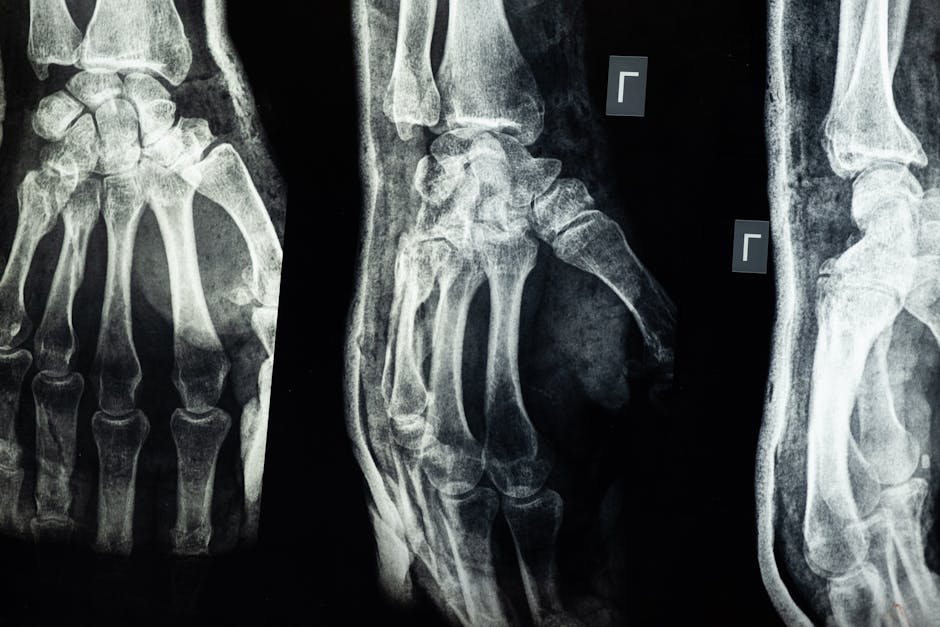
Photo by cottonbro studio on Pexels
Bone diseases often involve changes in bone density, structure, or inflammation.
- Osteoporosis: A condition where bones become weak and brittle due to loss of bone density, making them prone to fractures. It's often called a "silent disease" because there are typically no symptoms until a fracture occurs.
- Causas: Envejecimiento, deficiencia de calcio y vitamina D, cambios hormonales (especialmente en mujeres posmenopáusicas), ciertos medicamentos.
- Síntomas: Fracturas fáciles, pérdida de estatura con el tiempo, postura encorvada.
- Artrosis (Osteoarthritis): The most common form of arthritis, where the protective cartilage on the ends of your bones wears down over time.
- Causas: Desgaste y rotura por envejecimiento, lesiones articulares, obesidad, genética.
- Síntomas: Dolor articular, rigidez, pérdida de flexibilidad, hinchazón, sonidos de crujido.
- Artritis Reumatoide (Rheumatoid Arthritis): An autoimmune disease where your immune system attacks the lining of your joints, causing painful swelling, bone erosion, and joint deformity.
- Causas: Autoinmune (desconocida), genética.
- Síntomas: Dolor y rigidez articular en varias articulaciones (a menudo simétricamente), fatiga, fiebre.
2.2 Enfermedades Musculares (Muscle Diseases)

Photo by Kindel Media on Pexels
Muscle diseases can range from injuries to chronic conditions affecting muscle strength and function.
- Esguinces y Distensiones (Sprains and Strains): Common injuries. A esguince is an injury to a ligament (tissue connecting bones), while a distensión is an injury to a muscle or tendon (tissue connecting muscle to bone).
- Causas: Sobreesfuerzo, movimientos bruscos, actividades deportivas.
- Síntomas: Dolor, hinchazón, hematoma, limitación de movimiento.
- Tendinitis: Inflammation of a tendon, often due to repetitive motion or overuse.
- Causas: Uso repetitivo, lesión, mala postura.
- Síntomas: Dolor y sensibilidad cerca de una articulación, empeora con el movimiento.
- Distrofia Muscular (Muscular Dystrophy): A group of genetic diseases that cause progressive weakness and loss of muscle mass. There are many types, with Duchenne Muscular Dystrophy being one of the most severe.
- Causas: Genéticas.
- Síntomas: Debilidad muscular progresiva, dificultad para caminar o realizar tareas diarias, pérdida de masa muscular.
Here's a simple flow of how symptoms might lead to diagnosis and treatment for a joint issue:
graph TD
    A["Dolor Articular, Rigidez, Hinchazón"] --> B{Consulta Médica};
    B --> C{Examen Físico y Historial Médico};
    C --> D{Pruebas Diagnósticas ("Rayos X", "Análisis de Sangre")};
    D --> E{Diagnóstico ("Artrosis", "Artritis Reumatoide", "Esguince")};
    E --> F{Plan de Tratamiento ("Medicamentos", "Fisioterapia", "Cirugía")};
    F --> G["Manejo del Dolor y Mejora de la Función"];
2.3 Factores de Riesgo Comunes y Prevención

Photo by Marco Islas on Pexels
Many of these conditions share common risk factors and preventative measures.
- Factores de Riesgo: Edad avanzada, genética, dieta deficiente (calcio, vitamina D), falta de ejercicio, obesidad, lesiones previas, tabaquismo, consumo excesivo de alcohol.
- Prevención:
- Dieta balanceada: Rica en calcio y vitamina D para huesos fuertes.
- Ejercicio regular: Fortalece músculos y huesos, mejora la flexibilidad.
- Mantener un peso saludable: Reduce el estrés en las articulaciones.
- Postura correcta: Previene lesiones por sobrecarga.
- Evitar movimientos repetitivos extremos: O usar equipo de protección adecuado.
3. Worked Example
Let's consider someone experiencing persistent knee pain.
Situación: María, una mujer de 68 años, ha notado que su rodilla derecha le duele al caminar, subir escaleras y después de estar sentada un rato. Por las mañanas, siente la rodilla rígida por unos 20 minutos. No recuerda ninguna lesión específica.
Análisis:
1. Edad y sexo: 68 años, mujer: factores de riesgo para osteoporosis y artrosis.
2. Síntomas: Dolor con el movimiento, rigidez matutina (menos de 30 minutos), dolor después de inactividad. No hay fiebre o síntomas sistémicos.
3. No lesión traumática: Sugiere un proceso degenerativo o inflamatorio crónico, no un esguince agudo.
Diagnóstico Inicial Sospechado: Artrosis (Osteoarthritis) de la rodilla, dada la edad, los síntomas de rigidez matutina de corta duración y el dolor relacionado con el movimiento. Artritis reumatoide sería menos probable sin afectación simétrica de otras articulaciones o síntomas sistémicos. Osteoporosis no causa dolor articular directo.
Acciones Recomendadas: Consulta médica para un examen físico, posibles radiografías de la rodilla para evaluar el espacio articular y el cartílago, y confirmar el diagnóstico. El tratamiento podría incluir analgésicos, fisioterapia, pérdida de peso, y en casos severos, inyecciones o cirugía.
4. Key Takeaways
- Bones give your body structure and protect organs, while muscles allow you to move.
- Osteoporosis makes bones weak, increasing fracture risk, often due to aging and low calcium/Vitamin D.
- Artrosis is common "wear and tear" arthritis, causing joint pain and stiffness from cartilage breakdown.
- Artritis Reumatoide is an autoimmune disease where your body attacks its own joint linings.
- Esguinces affect ligaments, and distensiones affect muscles/tendons, usually from injury or overuse.
- Muscular Dystrophy involves genetic muscle weakness that worsens over time.
- A balanced diet, regular exercise, and maintaining a healthy weight are key for prevention.
Common Mistakes to Avoid:
- Don't ignore persistent pain; it's your body's way of telling you something is wrong.
- Don't self-diagnose based solely on symptoms; professional medical evaluation is crucial.
- Don't overuse injured areas thinking they'll "work themselves out;" rest and proper treatment are often needed.
- Don't neglect calcium and Vitamin D intake, especially as you age, as this can severely impact bone health.
5. Now Try It
Imagine your abuela (grandmother) tells you she's having trouble opening jars and her knuckles often feel stiff and swollen. She asks you what might be going on.
Based on what you've learned, write a short paragraph explaining two possible conditions she might have, mention why each is a possibility, and what the first step for her should be.
What success looks like: Your paragraph clearly identifies two relevant conditions from our notes, briefly explains their connection to her symptoms, and gives sound, practical advice on her next step.
Frequently asked about Enfermedades del Sistema Óseo y Muscular
Get the full Enfermedades curriculum
Clone the complete plan to your dashboard for unlimited AI-generated notes, practice quizzes, and a personalised revision schedule.
Create Free Account