Human Physiology and Body Systems
From the fitness health wellness curriculum
TL;DR
Your body is made of many interconnected systems that work together to keep you alive and healthy. Understanding how these systems function naturally helps you make better choices for your fitness and wellness. Each system has unique roles, but they all depend on each other for optimal performance.
1. The Mental Model
Think of your body as a super complex, incredibly efficient machine. It has different "departments" (body systems) that all need to communicate and cooperate perfectly. If one department isn't doing its job, the whole machine can slow down or break down.
2. The Core Material
Human physiology is the study of how your body works. Your body is organized in a hierarchy: cells form tissues, tissues form organs, and organs form organ systems.
Let's look at some key systems:
The Skeletal System
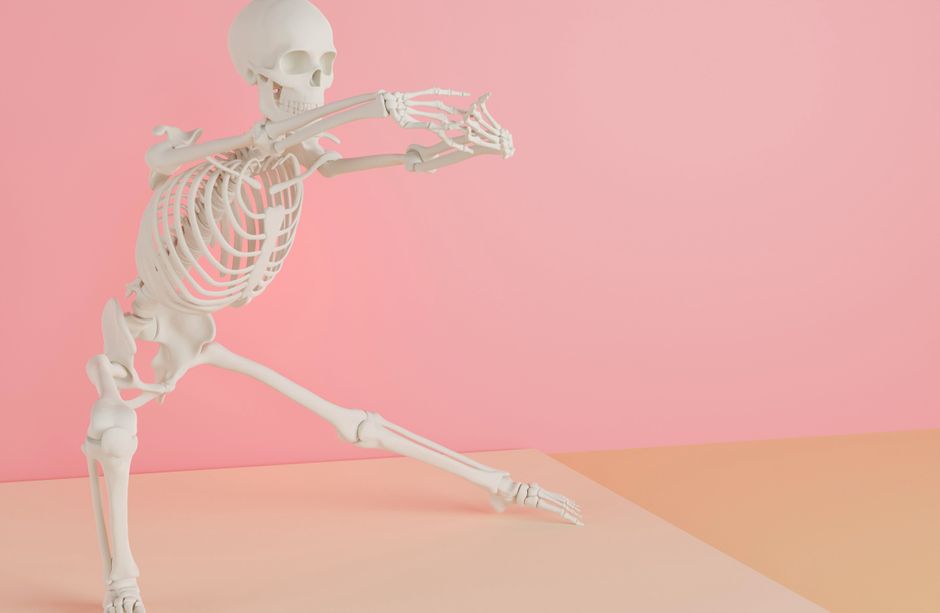
Photo by dada _design on Pexels
This is your body's framework. It provides support, protects your internal organs, allows for movement (with muscles), and stores minerals like calcium. It also produces blood cells in the bone marrow. Think of it as the strong, rigid scaffolding your body is built on.
The Muscular System

Photo by Tara Winstead on Pexels
Working with your skeletal system, muscles are responsible for all movement – from walking and lifting to your heart beating and food moving through your digestive tract. You have three types: skeletal muscles (voluntary, you control them), smooth muscles (involuntary, like in your intestines), and cardiac muscle (involuntary, your heart).
The Circulatory (Cardiovascular) System

Photo by Los Muertos Crew on Pexels
This system is like your body's transportation network. It includes your heart, blood vessels (arteries, veins, capillaries), and blood. It delivers oxygen and nutrients to every cell and carries away waste products. It's crucial for maintaining body temperature and fighting disease.
The Respiratory System

Photo by cottonbro studio on Pexels
This is how you get oxygen into your body and remove carbon dioxide. Your lungs are the main organs, working with your diaphragm and rib muscles. When you inhale, oxygen passes into your blood; when you exhale, carbon dioxide leaves your body.
The Nervous System
This is your body's control center, coordinating all actions and reactions. It's made up of your brain, spinal cord, and a vast network of nerves. It interprets sensory information, controls movement, and regulates your body's internal functions.
The Digestive System
This system breaks down the food you eat into nutrients your body can absorb for energy, growth, and repair. It includes organs like your mouth, esophagus, stomach, small intestine, large intestine, liver, and pancreas.
The Endocrine System
This system uses hormones – chemical messengers – to regulate many body functions, including metabolism, growth, development, tissue function, sleep, and mood. Glands like the thyroid, adrenal glands, and pancreas are key players.
The Immune System
Your body's defense mechanism against illness and disease. It identifies and destroys foreign invaders like bacteria, viruses, and other harmful substances. White blood cells are critical to this system.
Here's how some of these systems are interconnected:
graph TD
    A["Respiratory System (Oxygen Intake)"] --> B["Circulatory System (Oxygen Transport)"]
    B --> C["Muscular System (Movement & Energy)"]
    B --> D["Nervous System (Brain Function)"]
    D --> E["All Systems (Regulation)"]
    F["Digestive System (Nutrient Absorption)"] --> B
    C --> A
    B --> A
    B --> C
    A --"Waste (CO2)"--> B
    B --> A
3. Worked Example
Imagine you're running a 5K race.
- Your nervous system signals your muscular system to contract, propelling you forward.
- As your muscles work harder, they demand more oxygen. Your respiratory system increases breathing rate, taking in more air.
- Simultaneously, your circulatory system speeds up your heart rate, pumping oxygen-rich blood faster to your working muscles and carrying away carbon dioxide.
- Your endocrine system releases adrenaline, giving you an extra boost of energy and focus.
- All the while, your skeletal system provides the structure and leverage for your muscles to move, even as your digestive system is busy processing any food you ate earlier to provide sustained energy.
4. Key Takeaways
- Your body systems are highly interdependent; none work in isolation.
- The skeletal and muscular systems provide structure and enable movement.
- The circulatory and respiratory systems are vital for delivering oxygen and nutrients and removing waste.
- The nervous and endocrine systems regulate and coordinate all other functions through electrical signals and hormones.
- The digestive system extracts energy and building blocks from food.
- Poor nutrition or lack of exercise can negatively impact multiple body systems simultaneously.
- Stress can have widespread physiological effects, influencing your nervous, endocrine, and immune systems.
Common Mistakes to Avoid:
- Thinking that fitness only involves muscles; it's about optimizing all systems.
- Ignoring symptoms like persistent fatigue or indigestion, assuming they're minor and unrelated to overall system health.
- Underestimating the importance of sleep and recovery for proper system repair and function.
- Focusing on just one aspect of wellness (e.g., diet) while neglecting others (e.g., hydration, stress management).
5. Now Try It
For 15 minutes, focus on observing your own body's systems at work. Sit quietly and pay attention to your breath (respiratory), your heart rate (circulatory), and any subtle sensations or movements (nervous/muscular). Then, think about one small change you can make today to support one of these systems, like drinking an extra glass of water (digestive/circulatory) or taking a short walk (muscular/circulatory/respiratory).
Success looks like: You can identify a sensation and connect it to a specific body system, and you've decided on a concrete, actionable step to support your health.
Frequently asked about Human Physiology and Body Systems
Study this next
Get the full fitness health wellness curriculum
Clone the complete plan to your dashboard for unlimited AI-generated notes, practice quizzes, and a personalised revision schedule.
Save this course free