Introduction to Metabolic Health and Associated Conditions
From the Highbloodpressure, diabetes mellitus, Uric acid/gout curriculum
TL;DR
Metabolic health describes how well your body uses energy. When your metabolism isn't working right, you can develop conditions like high blood pressure, diabetes, and gout. These conditions are often linked and can worsen each other, so understanding their connections is key.
1. The Mental Model
Think of your body as a carefully balanced machine that converts food into energy. Metabolic health is when this machine runs smoothly; chronic diseases arise when it doesn't. Your diet, activity, and genetics all play a role in this balance.
2. The Core Material
Metabolic health refers to having ideal levels of blood sugar, triglycerides, high-density lipoprotein (HDL) cholesterol, blood pressure, and waist circumference, without using medications to achieve them. When several of these factors are out of whack, you might be diagnosed with Metabolic Syndrome, a cluster of conditions that significantly increases your risk of heart disease, stroke, and Type 2 Diabetes.
Let's break down some common conditions associated with poor metabolic health:
High Blood Pressure (Hypertension)
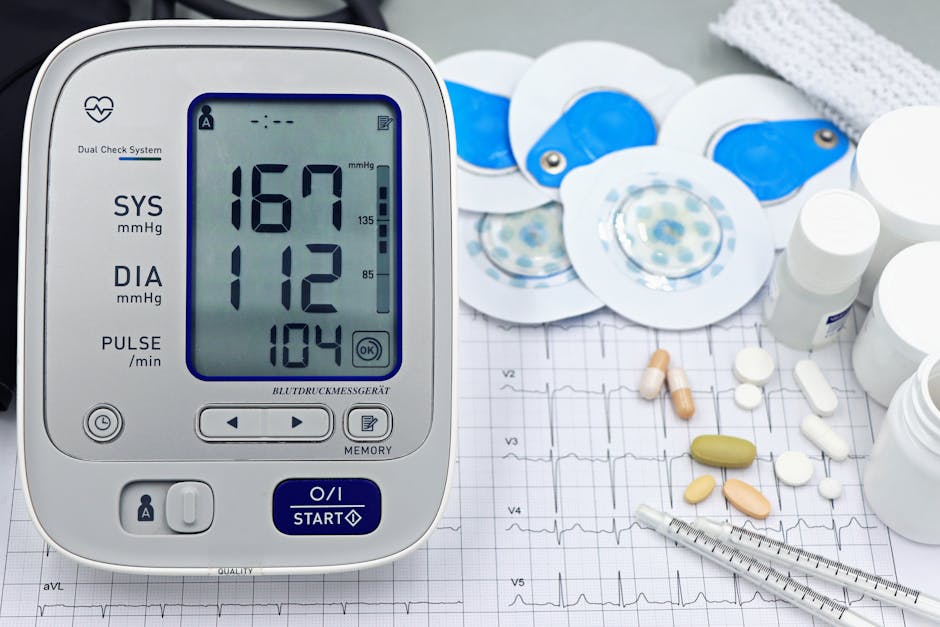
Photo by Marta Branco on Pexels
This is when the force of blood against your artery walls is consistently too high. Over time, it can damage blood vessels and organs. Often, it has no obvious symptoms, earning it the nickname "the silent killer."
Diabetes Mellitus
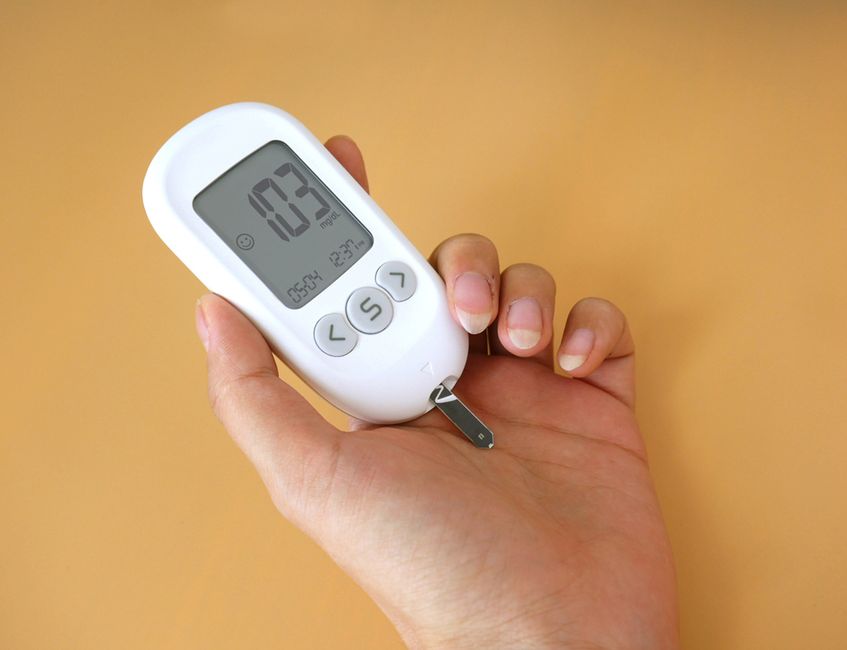
Photo by i-SENS, USA on Pexels
Specifically, we're often talking about Type 2 Diabetes, where your body either doesn't produce enough insulin or doesn't use insulin effectively (insulin resistance). Insulin is a hormone that helps sugar get into your cells for energy. Without it, sugar builds up in your blood, leading to various health problems.
Uric Acid / Gout

Photo by Pixabay on Pexels
Uric acid is a waste product formed when your body breaks down purines, substances found naturally in your body and in certain foods. Normally, your kidneys filter it out. If you produce too much uric acid or your kidneys don't excrete enough, it can build up in your blood (hyperuricemia). High levels can lead to gout, a painful form of arthritis where uric acid crystals deposit in your joints, most commonly the big toe.
These conditions are interconnected:
graph TD
    A["Poor Diet / Sedentary Lifestyle"] --> B["Weight Gain / Obesity"]
    B --> C["Insulin Resistance"]
    C --> D["High Blood Sugar (Type 2 Diabetes)"]
    C --> E["High Blood Pressure"]
    C --> F["High Uric Acid / Gout"]
    D --> G["Kidney Damage"]
    E --> G
    F --> G
    G --> H["Worsening Metabolic Health"]
As you can see, underlying issues like insulin resistance often act as a central hub, contributing to multiple problems simultaneously. For example, insulin resistance can lead to higher blood sugar, contribute to weight gain, and even affect how your kidneys handle uric acid. This makes them a "syndrome" – a group of symptoms that together indicate a disease or condition.
3. Worked Example
Imagine John, aged 45, who's been feeling tired lately. He eats a lot of processed foods and rarely exercises. During a routine check-up, his doctor finds:
- Blood Pressure: 145/92 mmHg (normal is typically below 120/80 mmHg)
- Fasting Blood Sugar: 130 mg/dL (normal is below 100 mg/dL)
- Uric Acid Level: 9.0 mg/dL (normal for men is 3.5-7.2 mg/dL)
John's doctor explains that he has hypertension, pre-diabetes (as his fasting blood sugar is elevated), and hyperuricemia, which puts him at risk for gout. Given these numbers, it's highly likely that John has underlying insulin resistance and is experiencing a cluster of metabolic issues. His eating habits and lack of exercise are contributing significantly to all these numbers being out of the healthy range.
4. Key Takeaways
- Metabolic health is about how well your body processes energy and maintains balance.
- High blood pressure, Type 2 diabetes, and high uric acid/gout are often linked by common root causes like insulin resistance.
- A healthy diet and regular physical activity are crucial for maintaining good metabolic health.
- These conditions can develop silently for a long time, so regular check-ups are important.
- Managing one of these conditions can positively impact the others due to their interconnectedness.
- Don't wait for symptoms; proactive lifestyle choices are your best defense.
5. Now Try It
Think about your own routine. Over the next 15 minutes, identify one specific dietary habit and one activity habit you have that might either support or hinder your metabolic health. For example, do you regularly drink sugary sodas? Do you walk for at least 30 minutes most days? Write down one small, actionable change you could make for each habit this week.
What to do: Identify current habits (diet + activity). Propose one small, actionable change for each for this week.
What success looks like: You've clearly identified two habits and two specific, achievable changes you can start implementing.
Frequently asked about Introduction to Metabolic Health and Associated Conditions
Study this next
Get the full Highbloodpressure, diabetes mellitus, Uric acid/gout curriculum
Clone the complete plan to your dashboard for unlimited AI-generated notes, practice quizzes, and a personalised revision schedule.
Save this course free