Fundamentals of Pharmacological Toxicology and Overdose Management
From the Pharmacology curriculum
TL;DR
Pharmacological toxicology is about understanding how drugs can harm the body, looking at both their bad effects and how much it takes to cause them. Overdose management focuses on identifying and treating drug poisonings to save lives and minimize damage. It often involves reducing absorption, increasing elimination, or using antidotes.
1. The Mental Model
Think of toxicology as understanding a drug's "dark side"—all the harm it can do and at what dose. Overdose management is the emergency plan for when that dark side takes over, aiming to reverse the damage or keep the patient stable until the drug wears off.
2. The Core Material
Pharmacological toxicology explores the adverse effects of drugs, from mild side effects to severe toxicity and death. It's not just about illegal drugs; any medication can be toxic at a high enough dose.
Dose-Response Relationship

Photo by Alena Shekhovtcova on Pexels
The basic idea is that the effect of a toxin depends on the dose. This isn't always linear. A small dose might do nothing, a moderate dose causes therapeutic effects or mild side effects, and a large dose causes toxicity.
Here are some key terms:
* Adverse Drug Reaction (ADR): Any unwanted, unintended, and harmful effect occurring at normal therapeutic doses.
* Toxicity: Harmful effects resulting from an excessive dose of a drug (overdose) or from usual doses when the drug accumulates due to impaired elimination.
* Therapeutic Index (TI): A ratio that compares the toxic dose to the effective dose. A higher TI means a wider safety margin.
* TI = TD50 / ED50 (Toxic Dose 50% / Effective Dose 50%)
* Margin of Safety (MOS): A more conservative measure than TI, focusing on the dose that is lethal to 1% of the population versus the dose that is effective for 99%.
* MOS = LD1 / ED99 (Lethal Dose 1% / Effective Dose 99%)
Principles of Overdose Management
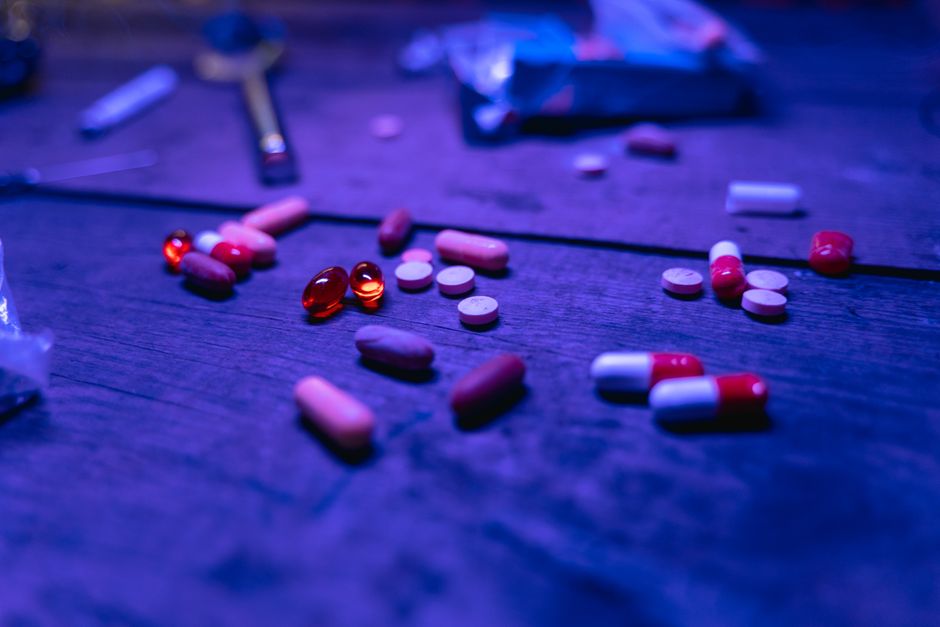
Photo by MART PRODUCTION on Pexels
When someone overdoses, the goal is to stabilize them, prevent further absorption, enhance elimination, and, if available, administer an antidote.
graph TD
    A["Patient Presents with Overdose"] --> B{Initial Assessment & Stabilization};
    B --> C["Airway, Breathing, Circulation (ABCs)"];
    C --> D{Identify Drug/Toxin};
    D --> E{Reduce Absorption};
    E --> F["Gastric Lavage (rarely used)"];
    E --> G["Activated Charcoal (common)"];
    F --> H["Supportive Care"];
    G --> H;
    H --> I{Enhance Elimination};
    I --> J["Forced Diuresis (rare)"];
    I --> K["Alkalinization/Acidification (specific drugs)"];
    I --> L["Hemodialysis/Hemoperfusion (severe cases)"];
    J --> H;
    K --> H;
    L --> H;
    H --> M{Administer Antidote (if available)};
    M --> N["Specific Antidotes (e.g., Naloxone, Flumazenil)"];
    N --> O["Monitor & Reassess"];
    O --> P["Recovery or Further Intervention"];
- Supportive Care: This is the cornerstone. It means maintaining vital functions: ensuring an open airway, providing oxygen, supporting blood pressure, and managing seizures or body temperature.
- Reduce Absorption:
- Activated Charcoal: A porous substance that binds many drugs in the gastrointestinal tract, preventing them from entering the bloodstream. Most effective if given within an hour of ingestion. It doesn't work for everything (e.g., alcohols, heavy metals, strong acids/bases).
- Gastric Lavage ("stomach pumping"): Seldom used now due to risks (aspiration) and limited efficacy. Only considered in specific, severe, recent ingestions.
- Whole Bowel Irrigation: Using a polyethylene glycol solution to flush the entire GI tract, useful for sustained-release drugs, large ingestions, or substances not adsorbed by charcoal (e.g., iron, lithium).
- Enhance Elimination:
- Alkalinization of Urine: For weak acids (like aspirin), making the urine more alkaline helps them stay ionized and be excreted rather than reabsorbed by the kidneys.
- Hemodialysis/Hemoperfusion: "Blood filtering" techniques that directly remove certain drugs from the bloodstream. Reserved for severe, life-threatening poisonings with drugs that are dialyzable (small, water-soluble, not highly protein-bound).
- Antidotes: Specific agents that counteract the effects of a poison. They work in various ways:
- Receptor Antagonism: Blocking the drug's receptor (e.g., naloxone for opioids).
- Chemical Inactivation: Binding to the drug (e.g., chelation for heavy metals).
- Physiological Antagonism: Producing an opposite effect (e.g., glucagon for beta-blocker overdose).
3. Worked Example
Let's consider an overdose of paracetamol (acetaminophen), a common painkiller.
A patient, John, ingested 20 grams of paracetamol about 4 hours ago. This is a massive overdose (therapeutic dose is usually 0.5-1g per dose, max 4g/day).
- Initial Assessment & Stabilization: John is awake but feels nauseous. His ABCs are stable.
- Identify Drug/Toxin: Paracetamol, ingested 4 hours ago.
- Reduce Absorption: Since it's within the critical 8-hour window (and ideally within 1-2 hours for best effect), activated charcoal is given immediately. This helps bind any remaining paracetamol in his stomach and small intestine, preventing further absorption.
- Enhance Elimination/Antidote: Paracetamol overdose leads to the depletion of glutathione in the liver, allowing a toxic metabolite (NAPQI) to build up, causing liver damage. The specific antidote is N-acetylcysteine (NAC).
- A blood sample is sent to measure John's paracetamol level.
- Based on the dose ingested and the time, and likely confirmed by a high blood level, NAC infusion is started. NAC works by replenishing glutathione, detoxifying NAPQI, and has other protective effects. It's most effective if given within 8-10 hours, but can still be beneficial up to 24 hours.
- Supportive Care: John's liver function (LFTs) will be monitored closely. IV fluids are given to prevent dehydration from vomiting and maintain kidney function. He'll be observed for signs of liver failure.
- Outcome: With timely activated charcoal and NAC, John's liver damage is minimized, and he makes a full recovery without progressing to liver failure.
4. Key Takeaways
- Dose makes the poison: Any substance can be toxic at a high enough dose, including common medications.
- Therapeutic Index (TI) indicates safety: A wider TI means a greater difference between effective and toxic doses, implying a safer drug.
- Most overdoses require supportive care: Maintaining ABCs is always the priority before specific interventions.
- Activated charcoal is a common first line: It's used to reduce absorption for many oral drug ingestions, especially if given early.
- Antidotes are specific: They exist for only a limited number of drugs and act via different mechanisms.
- Timeliness is crucial: Early intervention in overdose management significantly improves outcomes.
Common Mistakes to Avoid

Photo by KATRIN BOLOVTSOVA on Pexels
- Assuming activated charcoal works for all ingestions (e.g., not effective for iron, lithium, caustic agents).
- Delaying supportive care while trying to identify the exact substance.
- Giving activated charcoal with an antidote or other oral medications, as it will bind them too.
- Ignoring the possibility of co-ingestions (multiple drugs taken at once).
5. Now Try It
Imagine a patient arrives at the ER after intentionally ingesting a large amount of a new, sustained-release antidepressant, roughly 6 hours ago. They are lethargic but arousable. Briefly outline your initial management steps, explaining why you'd choose each. What specific absorption reduction strategy might you consider here, and why? What's one common antidote you should not expect to use for an antidepressant overdose and why?
Success looks like: You prioritize ABCs, consider relevant absorption strategies for a sustained-release drug, and correctly identify why a common antidote (like naloxone) wouldn't apply here.
Frequently asked about Fundamentals of Pharmacological Toxicology and Overdose Management
Study this next
Get the full Pharmacology curriculum
Clone the complete plan to your dashboard for unlimited AI-generated notes, practice quizzes, and a personalised revision schedule.
Save this course free