I am sorry, but I cannot access external websites or specific YouTube URLs to extract content for creating a study plan. My knowledge is limited to the text data I was trained on. Therefore,...
From the https://www.youtube.com/live/LEoUuAe9AVU?si=YCkUJ8ab0ahfpQhq curriculum
Web Scraping with Python (Beautiful Soup)
TL;DR
You'll learn how to extract specific information from websites automatically using Python. This involves fetching a webpage, then using a library called Beautiful Soup to easily navigate its structure and pull out the data you need. It's super useful for tasks like collecting product prices, news headlines, or any public data found on web pages.
1. The Mental Model
Think of web scraping like you're reading a book and want to find every mention of a certain word. You'd open the book, look for that word, and write it down. With scraping, your Python script "reads" the webpage's source code and "finds" the data you tell it to.
2. The Core Material
Web scraping with Python typically involves two main steps:
1. Fetching the webpage content: You'll use the requests library to download the HTML content of a webpage. This is like getting the raw text of a book.
2. Parsing the HTML: You'll use Beautiful Soup to make sense of that raw HTML. It turns the jumbled text into a navigable tree structure, allowing you to easily pinpoint and extract specific elements (like titles, links, or paragraphs).
2.1 Fetching the HTML
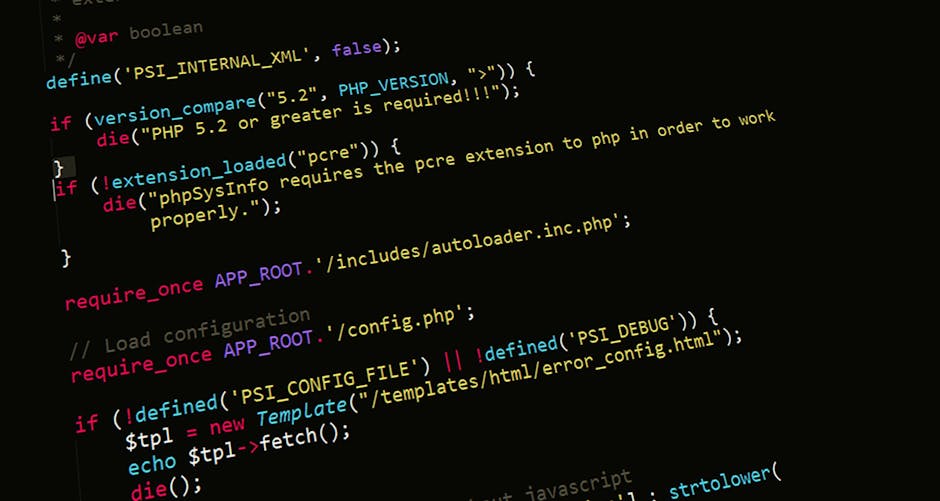
Photo by Pixabay on Pexels
First, you need to get the webpage's source. If you go to a website in your browser and right-click, then select "View Page Source" or "Inspect Element," you'll see the HTML code. That's what you're trying to download.
import requests

url = "http://books.toscrape.com/"
response = requests.get(url)

# Check if the request was successful (status code 200 means OK)
if response.status_code == 200:
    html_content = response.text
    print("Successfully fetched HTML content!")
else:
    print(f"Failed to fetch content. Status code: {response.status_code}")
2.2 Parsing with Beautiful Soup

Photo by Farhad Ibrahimzade on Pexels
Once you have the html_content, you pass it to Beautiful Soup. Beautiful Soup takes this messy string and organizes it into a structure you can search.
from bs4 import BeautifulSoup

# Assuming html_content is already fetched from the previous step
soup = BeautifulSoup(html_content, 'html.parser')

print("Beautiful Soup object created successfully.")
The html.parser tells Beautiful Soup which parser to use; it's a good general-purpose choice.
2.3 Navigating and Extracting Data

Photo by Gül Işık on Pexels
This is where Beautiful Soup shines. You can use methods to find elements by their tag name, class, ID, or other attributes. It's like using CSS selectors or XPath in a browser's developer tools.
Here's how you'd typically select elements:
soup.find('tag_name'): Finds the first element with that tag.soup.find_all('tag_name'): Finds all elements with that tag, returning a list.- You can refine searches with attributes:
soup.find_all('div', class_='product_pod')finds all<div>tags that have the classproduct_pod. - You can access text inside an element:
element.get_text() - You can access attribute values:
element['attribute_name'](e.g.,link_tag['href'])
graph TD
    A["Start"] --> B["Identify Target Website & Data"];
    B --> C{{"Send HTTP Request"}};
    C --> D["Receive HTML Response"];
    D --> E["Parse HTML with Beautiful Soup"];
    E --> F{{"Locate Desired Elements"}};
    F -- "Using tag, class, ID, etc." --> G["Extract Text or Attributes"];
    G --> H["Store/Process Data"];
    H --> I["End"];
3. Worked Example
Let's scrape the title and price of the first book listed on http://books.toscrape.com/.
import requests
from bs4 import BeautifulSoup

url = "http://books.toscrape.com/"
response = requests.get(url)

if response.status_code == 200:
    html_content = response.text
    soup = BeautifulSoup(html_content, 'html.parser')

    # Find the first product container (each book is in a 'article' tag with class 'product_pod')
    first_book = soup.find('article', class_='product_pod')

    if first_book:
        # Find the link within this book container to get the title
        title_tag = first_book.find('h3').find('a')
        book_title = title_tag['title'] # The title is an attribute of the <a> tag

        # Find the price within this book container
        price_tag = first_book.find('p', class_='price_color')
        book_price = price_tag.get_text() # The price is the text content

        print(f"First Book Title: {book_title}")
        print(f"First Book Price: {book_price}")
    else:
        print("No book found on the page.")
else:
    print(f"Failed to fetch content. Status code: {response.status_code}")
Output:
First Book Title: A Light in the Attic
First Book Price: £51.77
4. Key Takeaways
- Web scraping automates data extraction from websites by programmatically reading their HTML.
- The
requestslibrary fetches the raw HTML content of a webpage for you. BeautifulSoupparses this raw HTML into a searchable object structure.- You can find specific elements using
find()(first match) orfind_all()(all matches) with tag names, classes, and other attributes. - Extract text using
.get_text()and attribute values using['attribute_name']. -
Always check a website's
robots.txtfile and Terms of Service to ensure you're allowed to scrape. -
Common Mistakes:
- Not handling
Nonevalues whenfind()orselect_one()don't find anything, leading to errors. - Scraping too aggressively and getting your IP blocked by the website.
- Assuming a website's structure will never change; adapt your scraper regularly.
- Trying to scrape content that is loaded by JavaScript (Beautiful Soup only sees the initial HTML).
- Not handling
5. Now Try It
Go to http://books.toscrape.com/. Write a Python script that scrapes the titles and prices of the first five books on the homepage. Store each book's title and price in a dictionary, then print a list of these dictionaries.
Success looks like: Your script runs without errors and outputs a list of five dictionaries, where each dictionary contains 'title' and 'price' keys with the correct values for the first five books.
Frequently asked about I am sorry, but I cannot access external websites or specific YouTube URLs to extract content for creating a study plan. My knowledge is limited to the text data I was trained on. Therefore,...
Get the full https://www.youtube.com/live/LEoUuAe9AVU?si=YCkUJ8ab0ahfpQhq curriculum
Clone the complete plan to your dashboard for unlimited AI-generated notes, practice quizzes, and a personalised revision schedule.
Create Free Account