Introduction to Cellular Respiration and Energy Metabolism
From the QUIMICA curriculum
TL;DR
Cellular respiration is how your body breaks down food to release energy for all your activities. It involves a series of steps that primarily make ATP, which is like your cell's energy currency. Without this process, your cells couldn't function, and you couldn't live.
1. The Mental Model
Think of your cells as tiny factories that need electricity to run. Cellular respiration is like the power plant that generates that electricity (ATP) from the fuel (food) you give it. Your body must constantly make this "electricity" to survive.
2. The Core Material
Your cells are always working, whether it's thinking, moving, or fighting off illness. All these activities require energy. That energy comes from the food you eat, but your cells can't directly use a burger or a banana; they need a special energy molecule called ATP (adenosine triphosphate). Cellular respiration is the process that converts the chemical energy in glucose (a simple sugar from your food) into the usable chemical energy of ATP.
This process generally happens in three main stages, though sometimes an initial step, glycolysis, is considered separate or the "first" phase.
-
Glycolysis: This literally means "sugar splitting." It happens in the cytoplasm of your cells. Here, one molecule of glucose is broken down into two molecules of pyruvate. This step doesn't need oxygen and produces a small amount of ATP and some electron carriers (NADH).
-
Krebs Cycle (or Citric Acid Cycle): If oxygen is available, the pyruvate moves into the mitochondria (the cell's powerhouses). Here, it's further broken down in a cyclical series of reactions. This cycle produces a bit more ATP, more electron carriers (NADH and FADH2), and releases carbon dioxide as a waste product.
-
Oxidative Phosphorylation (Electron Transport Chain): This is where most of the ATP is made. The electron carriers (NADH and FADH2) from the previous steps deliver electrons to a series of protein complexes embedded in the inner mitochondrial membrane. As these electrons move along, they power the pumping of protons, creating a gradient. Oxygen acts as the final electron acceptor. This proton gradient then drives an enzyme called ATP synthase to produce a large amount of ATP.
So, in essence, you take in glucose (food) and oxygen, and your cells give you ATP (energy) and produce carbon dioxide and water as byproducts.
graph TD
    A["Glucose"] --> B["Glycolysis (Cytoplasm)"]
    B --> C["2 Pyruvate"]
    C -- "Oxygen Available?" --> D{{"Mitochondria"}}
    D -- "Yes" --> E["Krebs Cycle (Mitochondria)"]
    D -- "No" --> F["Fermentation (Cytoplasm)"]
    E --> G["Electron Transport Chain (Mitochondria)"]
    G --> H["Lots of ATP"]
    E --> I["CO2 + Electron Carriers (NADH, FADH2)"]
    B --> J["Small ATP + Electron Carriers (NADH)"]
    J --> G
    I --> G
    F --> K["Lactic Acid or Ethanol + Small ATP"]
    H -- "Drives cell function" --> L["Cellular Work (e.g., muscle contraction)"]
Understanding ATP
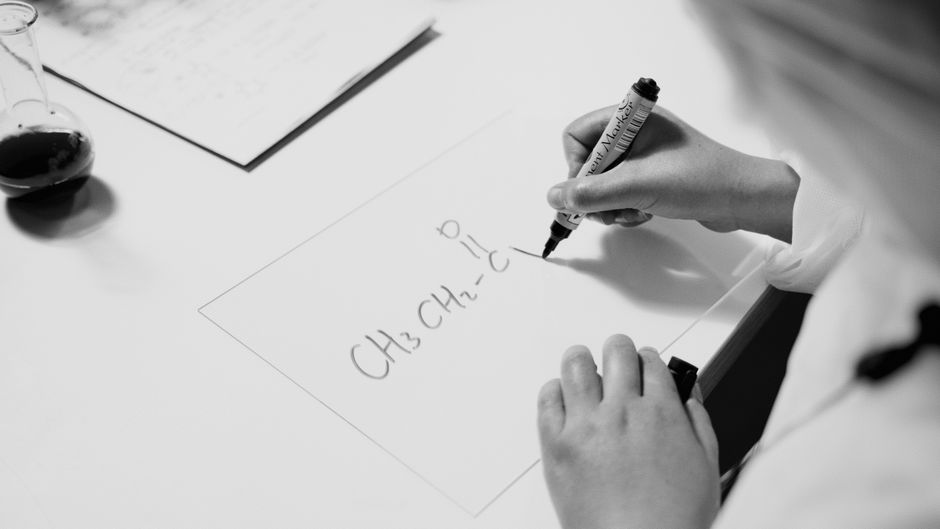
Photo by Artem Podrez on Pexels
ATP is like a rechargeable battery. When your cell needs energy, it breaks a phosphate bond, turning ATP into ADP (adenosine diphosphate) and releasing energy. When your cell has excess energy (from cellular respiration), it adds a phosphate back to ADP, recharging it into ATP. This constant cycling is crucial for life.
3. Worked Example
Let's say you're about to run a sprint. Your muscle cells need a quick burst of energy.
1. Initially, your body will tap into existing ATP stores.
2. Then, it quickly starts glycolysis to break down glucose (from stored glycogen in your muscles or liver). This gives you a fast, but limited, supply of ATP without needing much oxygen.
3. If your sprint continues for longer, or for less intense activities, your body starts to rely more on the Krebs Cycle and Oxidative Phosphorylation. Here, with a steady supply of oxygen, your cells can extract much more ATP from glucose, providing sustained energy for activities like jogging or long-distance running.
4. Key Takeaways
- Cellular respiration breaks down glucose to create ATP, the main energy currency of your cells.
- It generally involves three main stages: glycolysis, the Krebs cycle, and oxidative phosphorylation.
- Most ATP is produced in the final stage, oxidative phosphorylation, which requires oxygen.
- Glycolysis can occur without oxygen, providing a quick, but less efficient, energy source.
- Mitochondria are crucial organelles where the majority of ATP is generated through aerobic respiration.
- ATP is constantly being used and regenerated to power all cellular activities.
Common Mistakes to Avoid:
- Confusing cellular respiration with breathing; breathing supplies oxygen for respiration but isn't the same process.
- Thinking that ATP is "stored" in large amounts; it's constantly made and used.
- Forgetting that plants also perform cellular respiration, not just photosynthesis.
- Skipping the importance of electron carriers (NADH, FADH2) as they're key to ATP production.
5. Now Try It
Take a piece of paper and draw your own simplified flow chart of cellular respiration. Start with "Glucose + Oxygen" and end with "ATP + CO2 + Water," making sure to include the three main stages and where they broadly occur within the cell. Then, explain in one sentence for each stage what its main purpose is. What success looks like: Your chart clearly shows the progression, names the stages correctly, and accurately describes the primary function of each stage.
Frequently asked about Introduction to Cellular Respiration and Energy Metabolism
Study this next
Get the full QUIMICA curriculum
Clone the complete plan to your dashboard for unlimited AI-generated notes, practice quizzes, and a personalised revision schedule.
Save this course free